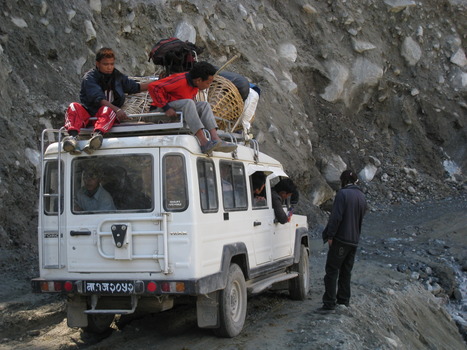
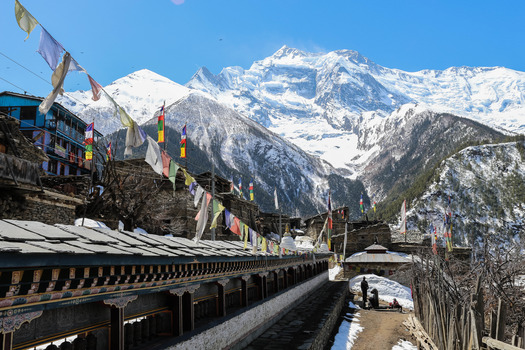
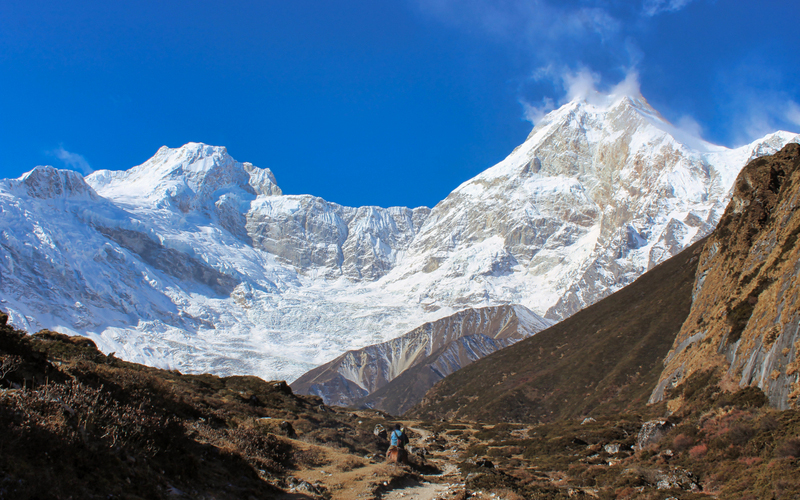
Langtang Valley Trek follows a less crowded trekking trail though there is nothing less about the awe-inspiring beauty on the pleasant journey. This is a short trek which will normally take 6 to 9 days of walking journey. The major highlights include amazing mountain views, accommodating tea houses and beautiful natural scenery with the warm hospitality of the inhabitants. This easy trek in Nepal starts at Syabrubesi leading through various remote villages and lovely forests. Many parts of the Langtang trek have been affected by the unfortunate and massive earthquake of 2015, but it is difficult for Mother Nature to even keep these people away from redeveloping their homes and welcoming trekkers from around the globe for a heartwarming trekking spree. The following are the 7 good reasons to do the Langtang Valley Trek:
1. Spectacular Mountain Vistas
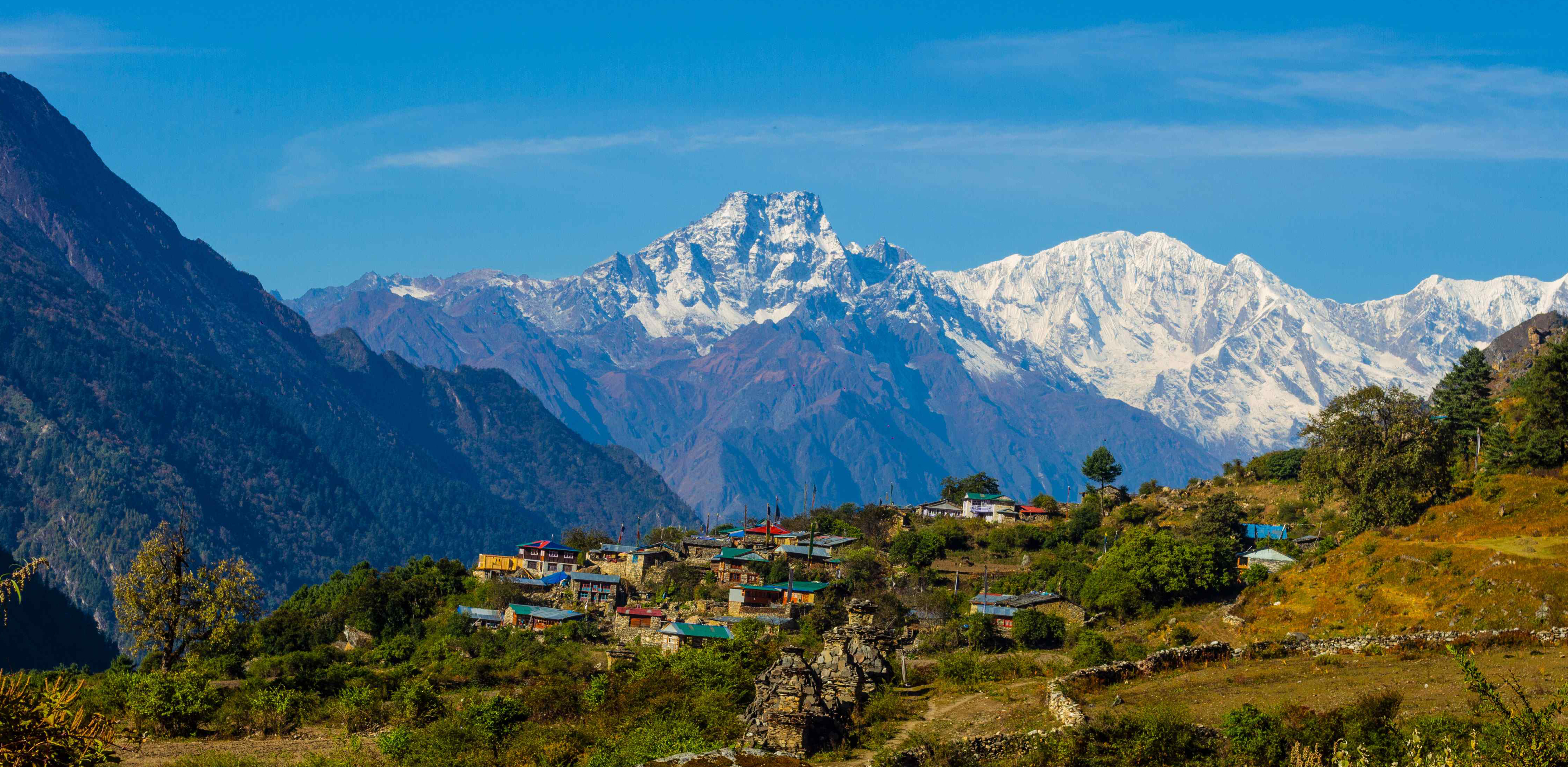
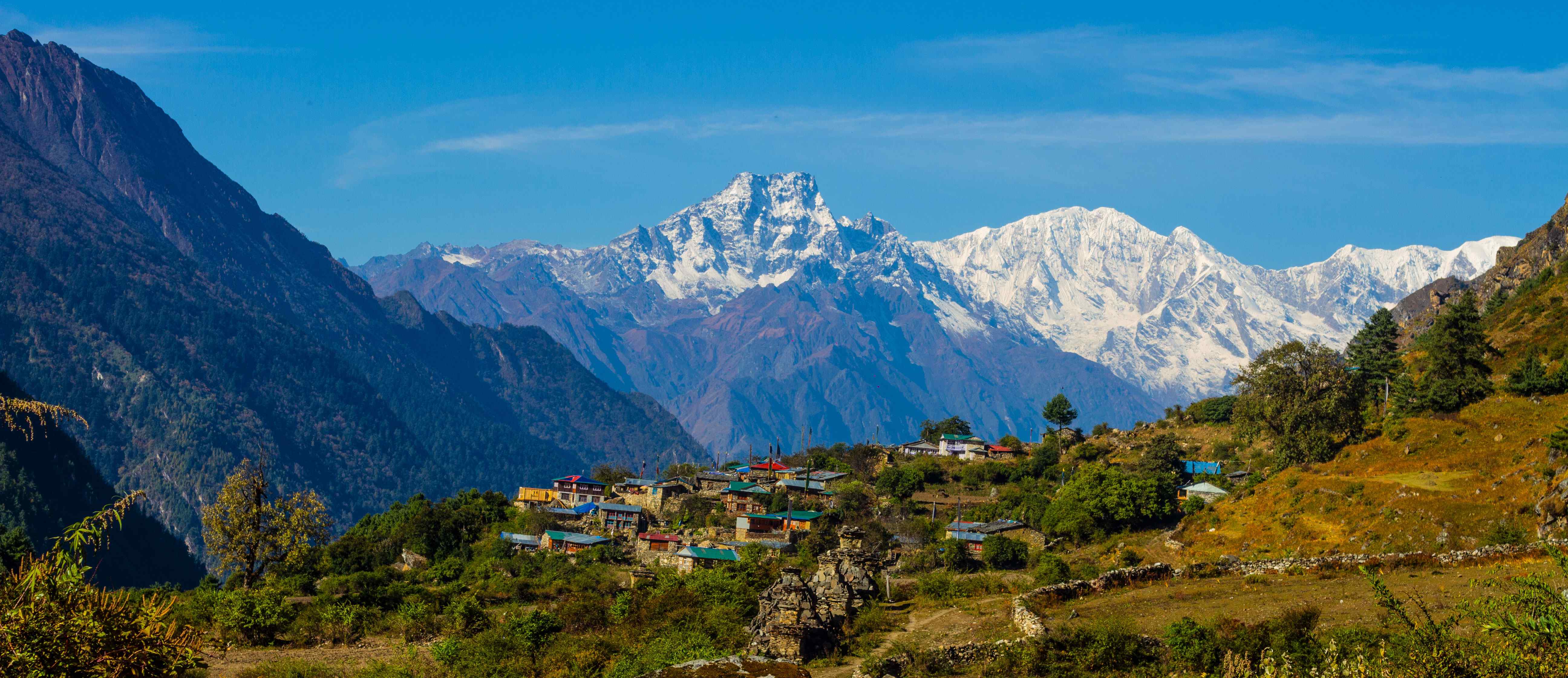
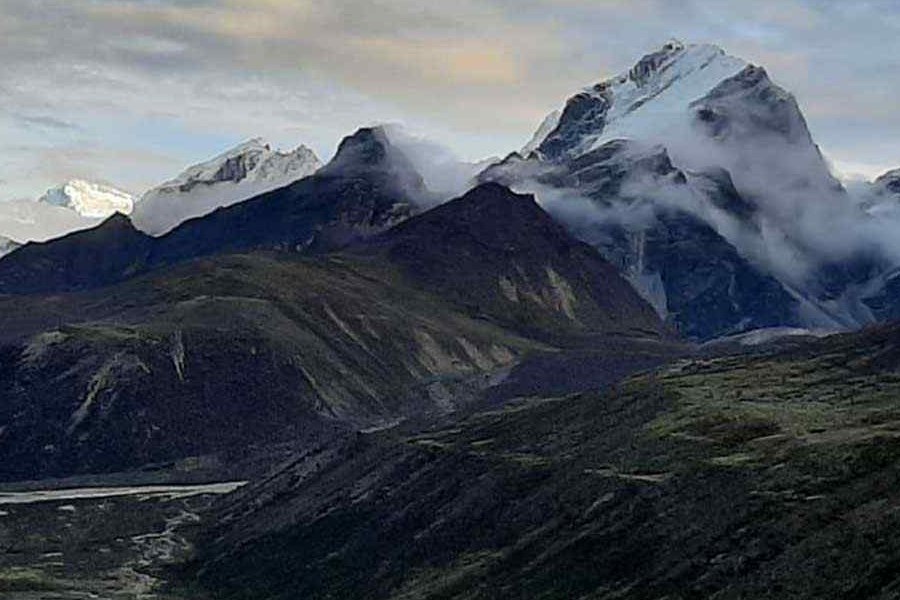
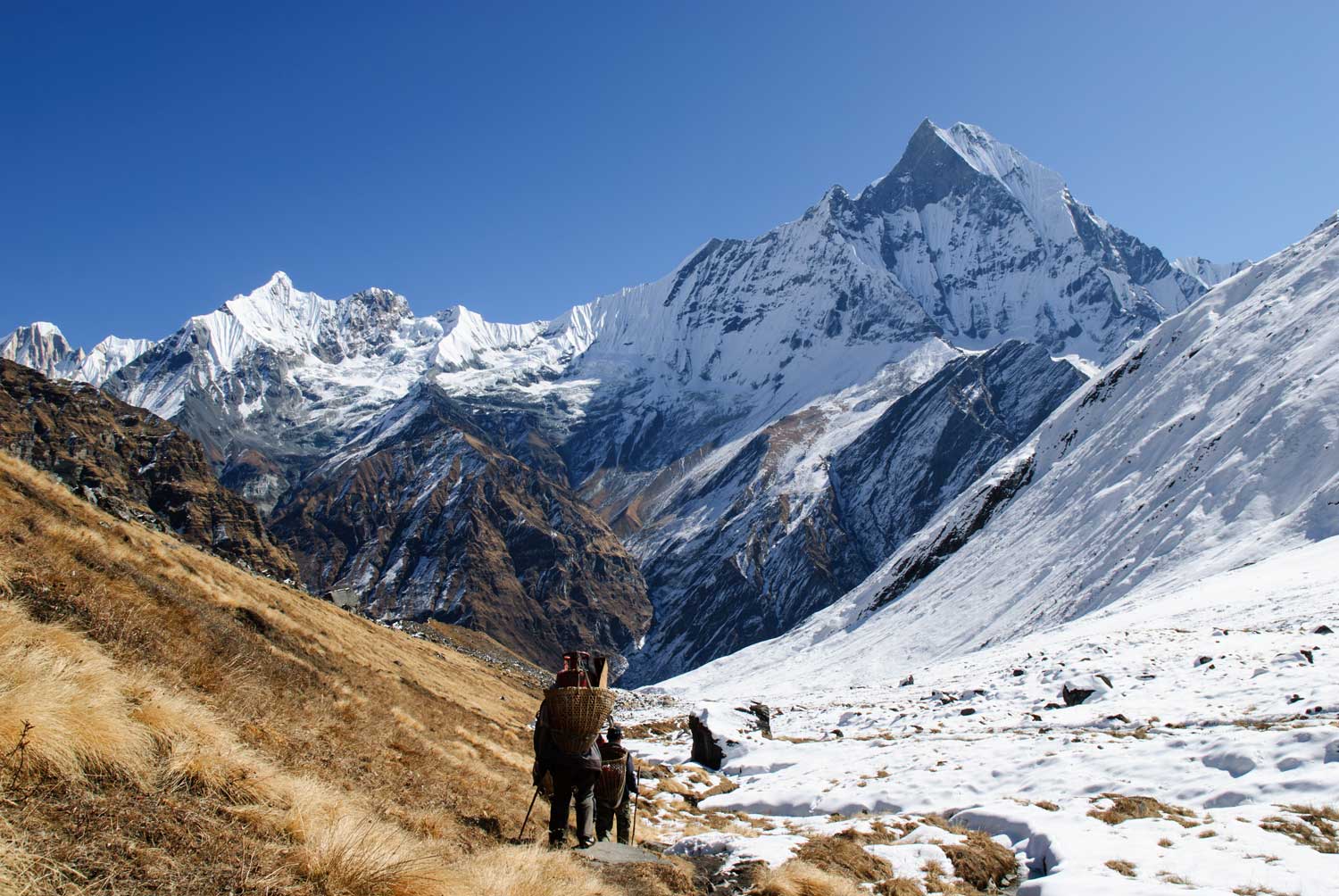
A delightful walk through the rugged trekking trails in the Langtang valley provides mesmerizing views of the Himalayan peaks. These include Ganesh Himal (7422m), Manaslu (8163m), Annapurna (8091m), Gaurishanker (7134m), Dorje Lakpa (6966 m) and the most popular Langtang Lirung (7227m). Langtang Lirung falls under the category of ‘Top Hundred Mountain Peaks’ of the world although it is not an eight-thousander. Thus, it is a beautiful soaring peak impressing the trekkers all the way in the magnificent Langtang trek. The glorious Himalayan vistas are the major highlights of this trek. Along with the snow-capped peaks, the trek is also famous for its high passes including Ganja La and Tserko Ri. Additionally, trekkers get to see breathtaking views of Langshisha Ri (6427m) taking a day hike up to the upper Langtang valley.
2. Climbing Kyangjin Ri and Tserko Ri
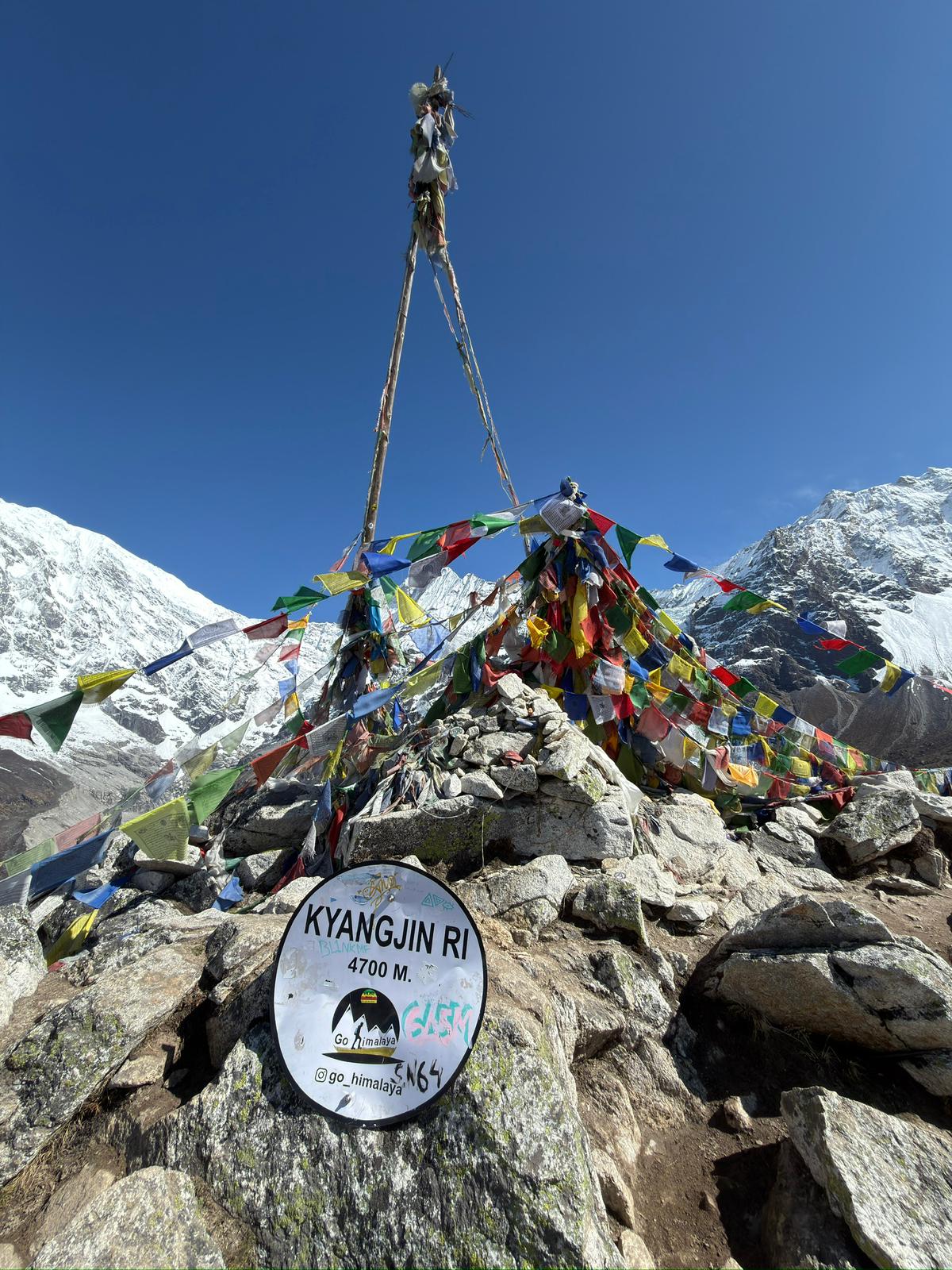
These are two of the easiest peaks to climb in the Langtang region. Getting atop any of these peaks proffers glorious views of the surrounding peaks that include Langtang Lirung (7227m), Yubra (6246m), Changu (6251m), and the Langtang Lirung glacier. It takes about 3 to 5 hours to climb Kyangjin Ri (4773m) but it would take most of the day for Tserko Ri (4984m). Trekkers can also gain experience of easy climbing peaks in the Langtang valley trek. One can see beautiful prayer flags flapping against the wind at lower Kyangjin Ri, which is a heartwarming sight indeed. The journey then continues through steep trails while climbing up to the peak. It is a once-in-a-lifetime experience to be traversing the astonishing landscapes in the Langtang valley trek.
3. Authentic Local Food
Travelers savor the best trekking experience by tasting local exotic cuisines all the way on the Langtang trekking journey. One may definitely wish to taste the fresh yak curd which is available in almost every village above Ghoda Tabela on this trekking route in Nepal. At Kyangjin Gompa, trekkers can visit the local cheese factory to view the processing of local yak cheese and even taste some of those. The next specialty is sweet sea buckthorn juice that is enriched by vitamin C and other antioxidants. It is easily available for around NRs 200 per cup and highly beneficial as a nutritious drink to keep trekkers hydrated on a long walking journey. One can also visit the local Himalayan trout farms and buy a fresh fish for dinner in the teahouses.
4. Excellent Tea Houses and Friendly Locals
Standard teahouses are quite comfortable to accommodate trekkers on the amazing Langtang valley trek. The regular ‘off-the-beaten-path’ leads to numerous beautiful villages all through the trail with teahouses or lodges at every stop. Trekkers get to enjoy the warm hospitality of the local inhabitants along with exotic delicacies. Unfortunately, many of the teahouses were shut down due to the devastating Gorkha Earthquake in 2015. The brave and restless people of Langtang region have risen up and reopened most of the teahouses providing basic facilities to the trekkers. Visitors can experience the warm stay after a long tiring journey in the cool and serene environment of the mountains. The rooms are tidy and on twin-sharing basis with clean mattresses. Bringing some chocolates and distributing to the children with innocent happy faces will certainly bring a warm smile of the face of every traveler.
5. Beautiful Rhododendron Forests and off the beaten path
Embarking the Langtang Valley trek during March to June, which is the time when rhododendron flowers come into bloom, is the best season for trekking in Nepal. The national flower of the country, locally known as Laliguras, is one of the pleasant sights and attraction of this trek. These bright flowers grow at an elevation above 1500 meters in the hills and mountains. The view against white snow peaks is truly mesmerizing. Langtang Trek is one of the popular off-the-beaten-path treks in Nepal, in which trekkers traverse through rocky and rugged trails along green woods and rhododendron flowers blooming on the trees. The trek is less crowded, thus the peaceful walk exploring the hidden treasure of Langtang region makes it quite an alluring experience.
6. Low-risk factors and financial concerns
The Langtang Valley trek is equally inviting to both the adventure enthusiasts and amateur trekkers. The trails are less slippery and walking involves in fewer high-altitude areas as compared to Everest and Annapurna. Thus Langtang trek is perfectly suitable for neophyte trekkers. For the adventure lovers, the trek has a lot of new sights and attractions to offer, which are quite different from other popular treks in Nepal. Low-risk factors include significantly fewer chances of altitude sickness or getting hit by a falling stone. The cost is also comparatively lower as it is nearer to the capital. Besides, one can contribute to the reconstruction and redevelopment of the Langtang region by investing a small amount of donation for the local people welfare funds.
7. Day hikes in Upper Langtang and exploring ancient Monastery in Kyangjin Gompa
It is all about trekking and trekkers will enjoy extending their fantastic trip with some additional day hikes in Upper Langtang region. Adventure lovers get to explore and discover the abandoned settlement at Numthang past the Langtang River. They are rewarded with spectacular views of the Langtang glacier and Mt. Langshisha Ri (6427m). Also, one may visit the ancient stone monastery in Kyangjin Ri. Regarded to be 400 hundred years old, its interior is richly decorated with Tibetan Buddhism paintings. This is one of the several monasteries dotted along the trails of the Langtang trek. Travelers can also see numerous multi-hued prayers flags fluttering, Tibetan styled houses, Chortens, and other religious artifacts.
Why to do the Manaslu Circuit and Tsum Valley Trekking is one question that pops up in every trekker’s head before hitting the roads. It is obvious that getting familiarized with the route you’re about to tread on will provide an insight about the entire trail. Moreover, it will assist trekkers to be mentally prepared with the encounters they will be anticipating. Previously, trekkers used to do a single trip while visiting Nepal. However, in recent times, a majority of them aspire to combine several trips on the same route. The reasons incorporate financial constraints, extra vacation days, and several cost-effective grounds. Manaslu Trek and Tsum valley trekking guide have endeavored to put in plain words as to why a trekker must do the Manaslu Circuit Trek along with Tsum Valley Trek on a single trip. We have slotted in some of the most valuable information regarding the combined trip in such a way that visitors already know what to look forward to during the trip.
Overview of Manaslu and Tsum Valley Trek
The Manaslu Circuit and Tsum Valley Trekking is one of the remotest trekking trails in Nepal. Although not as old as other popular trekking routes in Nepal, the Manaslu Circuit and Tsum Valley Trek is a delightful journey in the far-flung lesser trekked areas of Nepal. It is a wonderful opportunity to allow visitors to enjoy the ethnically marvelous upland settlements and their cultures. The lush and untamed landscapes on the Manaslu and Tsum valley trails on the premises of the Nepal-Tibet border areas make this trip noteworthy.
Trekking in the Manaslu and Tsum Valley, as regarded by nature and rough-country lovers, is an adventure into the perfect wilderness. Not only adventure, but trekking here is a perfect harmony of pristine natural environment shrouded between majestic Himalayan peaks such as Ganesh Himal and Mt. Manaslu. Moreover, the longstanding culture and ancient legacy of the time-honored lifestyle of the highland habitants is absolutely fascinating. On a combined trip of Manaslu Circuit and Tsum Valley, adventure fanatics get marvelous opportunities to visit numerous lovely villages. Chances to immerse in the unique culture of the native villagers, visiting their traditional monasteries, and understanding their everyday life are abundant.
The Manaslu Circuit and Tsum Valley Trekking itinerary has different variations. Different trekking agencies in Nepal have their own schedules and trekking routes. Some agencies start their trip with a drive to Barpak in Gorkha district, while many drive to Arughat or Soti Khola in Dhading district. Although the Manaslu Circuit and Tsum Valley Trekking route may slightly differ in terms of overnight stays, the experience remains the same. The number of days to complete this awesome trek also differs, ranging from 18 days to 27 days. Accordingly, the Manaslu Circuit and Tsum Valley Trekking cost also has different variations. These disparities depend majorly on the number of trekking days as well as the standard and types of facilities involved.
At Royal Holidays, we have with great efforts, fabricated the most realistic and viable itinerary for our clients. The trip schedule allows sufficient acclimatization time, best available accommodation and food on the trip, and small travel groups. In our trip program, the adventurous journey kicks off with a scenic drive to Soti Khola via Arughat. Progressively, we allow overnight stays after a daily hike of not more than 6 hours with some exceptional days of walking a bit more. During the course of the trekking journey, visitors will pass through picturesque villages like Philim, Namrung, Samagaon, Samdo, Chokhangparo, and several others. The first leg of the trek will take trekkers towards the Tsum Valley. After completion of the hidden valley, the trekking continues towards the Manaslu area. Traversing through the Larkye La Pass and scenic villages like Sho, Lho, Syala, and Bimthang, the adventurous trekking comes to an end at Dharapani.
Set off on the Manaslu Circuit and Tsum Valley Trekking and convince yourself to appreciate the splendor in the vicinity of the eighth highest mountain of the world, Mt. Manaslu. Explore the hidden valley; savor the views of the gleaming Himalayan peaks. Also visit the heritage villages with colorful culture resembling Tibetan Buddhism. Immerse in the religious ceremonial offerings in the remarkable monasteries. Walk along beautiful alpine woodlands filled with rhododendron, pine, oak, juniper, and fir trees. Make your trip a wonderful memory with bountiful of remote experiences in the secluded corners of Nepal.
Manaslu Circuit and Tsum Valley Trekking Itinerary
Day 01
Drive from Kathmandu to Soti Khola (700m)
Day 02
Soti Khola to Machha Khola trek (869m)
Day 03
Machha Khola to Jagat trek (1340m)
Day 04
Jagat to Lokpa trek (1800m)
Day 05
Lokpa to Chumling trek (2386m)
Day 06
Chumling to Chokhangparo trek (3031m)
Day 07
Chokhangparo to Mu Gompa trek (3700m)
Day 08
Mu Gompa to Chokhangparo trek (3031m)
Day 09
Chokhangparo to Lokpa trek (1800m)
Day 10
Lokpa to Deng trek (1860m)
Day 11
Deng to Namrung trek (2630m)
Day 12
Namrung to Samagaon (3500m) via Lho village
Day 13
Acclimatization Day
Day 14
Samagaon to Samdo trek (3875m)
Day 15
Samdo to Dharamsala trek (4460m)
Day 16
Dharamsala to Bimthang trek (3700m) via Larkye La Pass (5160m)
Day 17
Bimthang to Gho trek (2500m)
Day 18
Gho to Dharapani trek (1900m); drive to Besisahar (760m)
Day 19
Drive from Besisahar to Kathmandu (1300m)
Manaslu And Tsum Valley Trekking Highlights
Exploration of the lesser traveled trails and the hidden valleys of the Manaslu region
Navigate the fascinating trekking trails on the secluded Tsum Valley
Witness the awe-inspiring views of Mt. Manaslu, Simrang, Hiunchuli, Ngadi Chuli, Ganesh Himal, Larkye peak and others
Indulge in the adventurous trip amid thundering waterfalls and rivers, challenging rocky trails, ethnic villages, high suspension bridges, age-old monasteries, mani walls, chortens, and other Buddhist shrines
Visit the historical Milarepa Cave
Traverse on the challenging Larkya La Pass
Spectacular views of icefalls and frozen lakes from Larkya La Pass
Explore the Ribung Monastery, Rachen Gompa and Mu Gompa
Spectacular hike up to the Pungyen Gompa while acclimatizing in Samagaon
Picturesque tiny villages of Syala, Sho and Lho
Important information for Manaslu and Tsum Valley Trek
The Manaslu Circuit and Tsum Valley Trek is a favorite journey that has been able to fascinate and tempt many nature and solitude lovers. This trip is one amongst the many other trekking destinations in Nepal where travelers are comparatively less. Owing to its difficult terrain and probably very simple and limited accommodation facilities, these areas get to see only a few travelers. Trekking in Manaslu and Tsum Valley areas requires special permits as these areas are recognized as restricted areas.
Unlike in the past years, the Manaslu Circuit and Tsum Valley trekking can be done as a teahouse trekking in Nepal. Lodges, teahouses and decent guesthouses have sprouted in a majority portion of the trekking route. However, at some places the facilities may be very basic with limited food menu and common bathroom. Camping is not required as such, but some travelers wish to do camping trek and sleep in the camps and eat food cooked by their accompanying chef.
We have compiled some of the most important information for all our traveler folks who have placed the extraordinary Manaslu Tsum Valley Trek in their bucket lists. It is our earnest attempt to bring the smallest need-to-know guidelines to our clients. We strive to make their trip comfortable and get them mentally prepared for all the known as well as unknown encounters on the trekking trail.
Required Permits for Manaslu and Tsum valley Trek
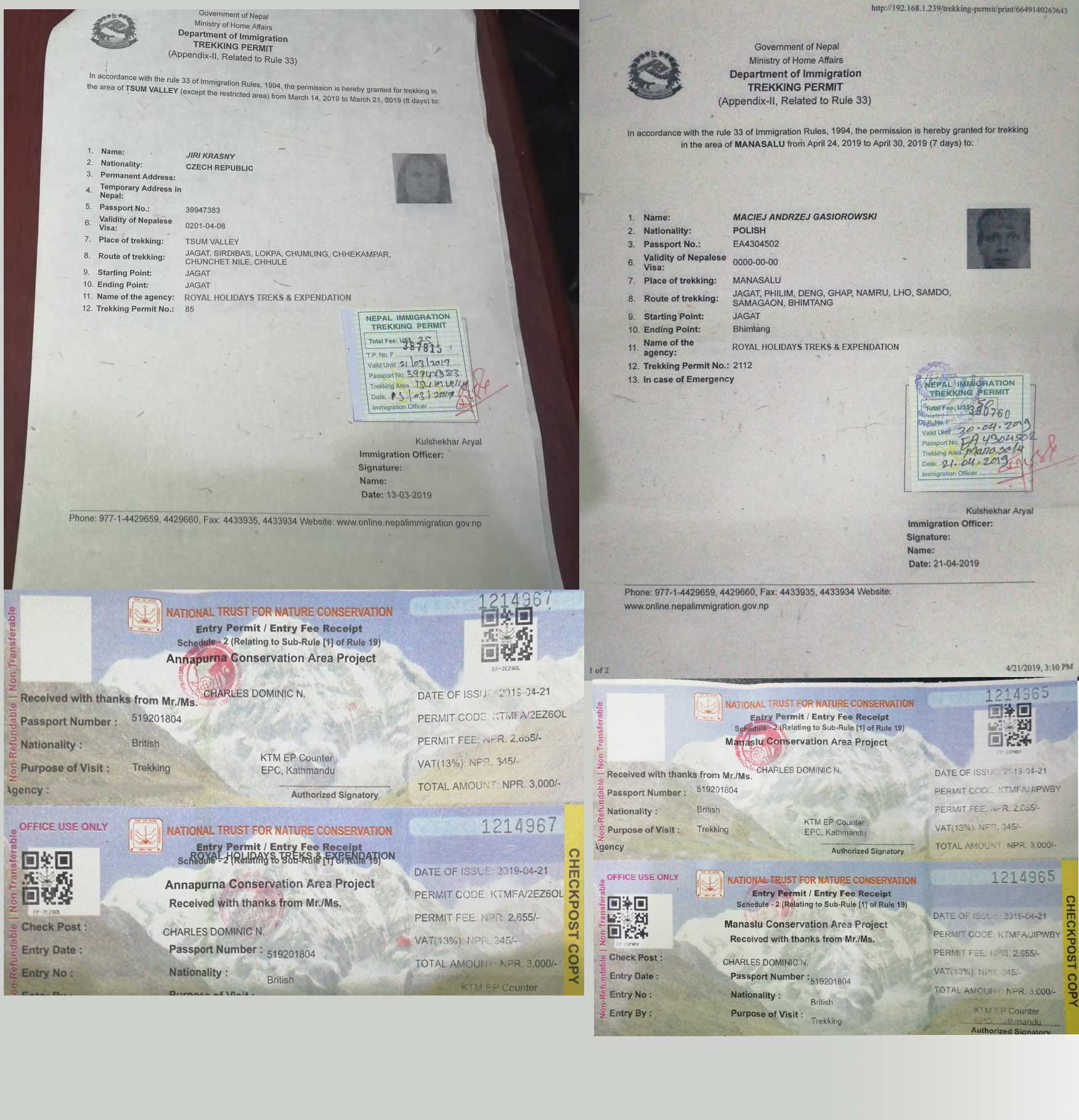
Both Manaslu and Tsum Valley being restricted areas, trekkers must mandatorily purchase Restricted Area Permits. If trekkers wish to continue their trek towards the Annapurna region, they are also required to purchase the TIMS card. The cost of the permits also depends on the number of days a trekker wishes to spend in the restricted areas. The required permits along with their cost during off-season and peak season are provided below:
Manaslu Restricted Area Permit (MRAP)
September to November: US$ 70 per person for the first 7 days and US$ 10 per person for each additional day.
December to August: US$ 50 per person for the first 7 days and US$ 7 per person for each additional day.
Manaslu Conservation Area Permit (MCAP)
All seasons: Entry Fee for foreigners is US$ 30 per person while for visitors from SAARC nations it is US$ 2 per person.
Annapurna Conservation Area Permit (ACAP)
All seasons: Entry Fee for foreigners is US$ 30 per person while for visitors from SAARC nations it is US$ 2 per person.
Tsum Valley Restricted Area Permit
September to November: US$ 35 per person for the first 8 days.
December to August: US$ 25 per person for the first 8 days.
Trekking Information Management System (TIMS)
(In case of trek continuation to Annapurna region): US$ 20 per person.
Accommodation
Trekking in the Manaslu and Tsum valley region used to be camping style when it was first opened for visitors. Due to the development of infrastructure in tourism sector, these areas nowadays have mostly teahouse style trekking. Local people in the villages that lie on the trekking trails have constructed tea-houses, basic lodges, guesthouses and also home-stays with food and beverage provisions. Staying at the teahouses or lodges in the trekking trails, visitors will meet the charismatic local people and enjoy their exceptional hospitality. Two small beds are usually present in a room which is simple, clean and basic. However, attached bathroom and toilet facilities may not be available at the teahouses. The available toilets are very basic and Asian squat style so carrying wet wipes or toilet rolls is recommended.
We highly recommend our clients to carry their own sleeping bags, which also can be hired for rent in Kathmandu. Although the teahouses provide blankets and pillows, it may not be sufficient for you during the cold seasons or they may not be as clean as you expect. Extra blankets are provided on request but lodges at certain places may ask for an extra charge of US$ 2 to 3. Lodges do not have heaters in rooms but during dinner time the communal area might be heated with bonfire or heaters. Teahouses also charge an extra amount for hot water for shower and charging mobile phones or cameras.
Accommodation in Manaslu and Tsum regions is not a problem as they receive fewer travelers and plenty of teahouses have come up in the recent years. The average cost for one twin-sharing room in the teahouses along the trails ranges from US$ 6 to US$ 9 per night. Paying the full amount, you can sleep alone in the room; otherwise it will be shared with another trekker.
Food
Food items in the remote areas are limited unlike at other popular trekking trails. Each teahouse on the trekking route has its restaurant and probably a limited menu. Most likely, the vegetables are grown locally by the area residents so you can have a complete organic diet during your trip. Meat items are not recommended at higher altitudes as they might have been carried from lowlands and the freshness cannot be guaranteed. Teahouses are present only at small villages where you will be staying overnight, so it is better to carry some chocolate or energy bars in case you become hungry while walking.
The most common food available in the teahouses on the trekking route is Dal (Lentil), Bhaat (Rice) and Tarkari (Vegetables). If you order these food items, you won’t have to pay for the extra rice, lentil and vegetable meaning you can eat as much as you can. The taste of other food items available on the menu may not just be as you expect.
As expected, the cost of food items in Manaslu and Tsum regions is more expensive than at places accessible by roads. The cost of food items increase as you climb higher due to the logistic charges incurred to ferry the items. On an average, each meal will cost you around US$ 7 to 8, usually US$ 20 to 25 per day. However, the cost of each meal also depends on how much you eat and the variation of items chosen per meal including your beverage. A cup of tea will cost something around US$ 1 to 4 depending on the elevation. Similarly, a cup of coffee will cost US$ 2 to 5, a bottle of beer will cost US$ 4 to 7, and a bottle of water will cost US$ 2 to 4.
Drinking Water
Although bottled mineral water is easily available at lower altitudes, we encourage our clients to use boiled water. We practice responsible tourism and do not want to litter or and pollute our clean environment. Every shop and teahouse along the way has hot water, for which they may charge you nominally. We encourage all our clients to use water purification devices or chlorine tablets to double purify the boiled water before drinking; it also saves money. It is always good to carry one liter of water during the day as there are plenty of water sources to refill your bottle. As your body needs plenty of water at higher elevations, it is advocated to drink as much water as you can.
Washing and Toilet Facilities
Most of the teahouses on the Manaslu Tsum Valley trek offer hot showers; some may levy extra charges for that. Showers can be either in a bathroom or simply a bucket of water. There may not be ample hot water for all trekkers at higher elevations due to the shortage of water. For solely ecological reasons, we always encourage our clients to limit the use of hot water except when the water is heated by solar energy or by firewood. Normally, taking shower at higher altitudes especially during cold months is practically impossible owing to the cold temperatures. Carrying a bar of soap, wet wipes, toilet rolls, and a small towel to clean your face and body is highly recommended.
Toilets in the teahouses are mostly Asian squat style throughout the trekking trail. It is almost difficult to find a toilet or bathroom attached to your room. They are located outside the room with lots of variations in cleanliness due to the scarcity of water; some toilets may be intolerably stinky.
Communication Facilities
Communication in the Manaslu and Tsum Valley regions are still very poor. Not more than 40% of the areas in the trekking route are accessible with communication facilities. There are very poor mobile phone signals on the route. Some teahouses with little or limited connectivity do provide Wi-Fi services to the trekkers for an extra cost. Travelers who wish to carry a Nepali SIM card to use internet services wherever phone signals are receivable – we recommend the NCell 4G SIM. For less than US$ 15, you will be able to purchase a SIM card along with an internet package while you are in Kathmandu.
How difficult is the Manaslu Circuit and Tsum Valley Trek?
The trekking trip involves crossing the Larkya La Pass at 5160 m thereby requiring good physical fitness of a trekker. Due to the long walking days before reaching the higher elevations, Manaslu and Tsum Valley trek has a higher success rate in comparison to other treks such as the Everest Base Camp Trek.
Any person without prior hiking experience at higher altitudes can complete this trek without any complications. However, one should always stay alert and be careful about altitude related hazards. To avoid altitude sickness, we do not encourage our clients to walk at faster pace or drink alcoholic beverages. It is unpredictable as to how a person’s body responds to altitude gains. Nevertheless, drinking plenty of water and walking at slower pace with frequent rests en route can avert any sickness related to altitude.
Altitude sickness (also known as Acute Mountain Sickness or AMS) is a condition when there is a change in body. At higher altitudes, the atmospheric pressure drops and the oxygen level in the air also decreases causing difficulty in breathing. AMS normally occurs above an elevation of 3500m. The various signs and symptoms of the sickness are headache, dizziness, nausea, vomiting, tiredness, fatigue, sleeplessness and loss of appetite.
Trekkers visiting Manaslu regions during winter seasons need to be extra careful of frost bites and snow blindness. Anyone with prior hiking experience and who exercises regularly can do this trekking comfortably. Being perfectly fit and healthy is the key to success.
Best Time to do the Manaslu Tsum Valley Trek
Trekking seasons in Nepal are normally considered the best during spring and autumn. Spring falls during the months between March and May. Autumn season is from September to December. These seasons are the best months to do this adventurous wilderness trek. During the springtime, rhododendron starts to bloom while the frozen lakes begin melting. Villagers who had migrated to lowlands during the winters start returning to their homes. Any sort of snow gears are not necessary during this time of the year. Autumn is arguably the best time to visit the Manaslu region when the weather is neither too hot nor too cold. The skies remain blue and clear views of mountain peaks are visible.
Late December to early March is the winter season. Waterfalls, lakes and rivers are frozen and certain portions of the trails are covered with heavy snow and become risky. The lodge at Dharamsala remains closed thereby increasing the walking time for those who wish to climb the Larkya Peak. Proper technical gear and winter clothes are required during this time of the year. This season is suitable only for those people who are experienced in using ice and snow gear and who possess extra stamina to overcome the possible threats due to the coldness. Likewise, June to mid-September engrosses the summer and the monsoon seasons. The forests and the pastures are washed clean by the rains and appear lush and green. Mosquitoes and bugs may be a point of nuisance at the teahouses while leeches may stick to your feet while hiking. Due to the rains, the trail becomes slippery and small streams become bigger making it impossible to cross the small wooden bridges. Over and above, there are high risks of possible landslides.
Guide and Porter Costs
Trekking in most of the parts of Nepal can be done even without a guide. But there are certain areas recognized by the government of Nepal as restricted or protected areas. Trekking in these areas is permitted by the authorities only if the trekker is accompanied by a licensed guide or through a registered trekking agency. It is also required that a minimum of two trekkers be present in a group while applying for trekking permits.
As opposed to what other international travel agencies might have to say, it is actually not expensive to hire a professional guide. On an average, the cost of hiring an experienced guide is about US$ 30 to US$ 40 per day that includes his food, accommodation, wage and insurance. In the same way, the cost of hiring a porter will cost about US$ 20 to 22 per day. It is also possible to find a trekking guide who will also be your porter, or the other way round. Hiring a porter cum guide will cost you roughly around US$ 25 to 30 per day. He will carry a maximum weight of 15 kg only and you are supposed to carry your own daypack.
As far as security is concerned, we highly suggest our clients to hire an experienced and a licensed guide authorized by the government of Nepal. Owing to the remote locations and high altitudes involved, it is sensible to remain safe at all times during the trek. If anything unexpected comes about during the trip, a highly skilled and experienced guide will be able to tactfully handle the situation with all his practical expertise.
Travel Insurance
It is an important pre-requisite upon joining any of Royal Holidays’ trips that all our clients possess their travel insurance. We make sure that our guests are insured for comprehensive expenses that might crop out during the trip. We look forward to your sufficient protection and suggest you to cover for your medical issues or accidents. It should include physical injuries, air ambulance, lost items, liabilities, emergency evacuations or helicopter rescues, and medical ailments. Please note that we do not arrange or sell insurance, so you need to come prepared from your native country. We suggest you to mention all the activities you would be participating while traveling to Nepal to your insurance company. Accordingly, they will provide you a complete travel insurance package.
Conclusion
Travelers from all around the world visit the Manaslu and Tsum valley region as much as the other trekking regions in Nepal. There are several fascinating reasons why travelers prefer Manaslu Tsum Valley trekking over other popular trekking destinations in Nepal. One of the prime reasons why tourists are attracted to this part of the country is the wonderful mix of the natural grandeur and the cultural multiplicity of these secluded areas. The region is wealthy in its magnificence with the supplement of secluded and off-the-beaten paths. Fewer visitors are seen in this region which adds to the exclusivity of the trek. Intact Buddhist monasteries, matchless picturesque villages, and adventurous trails across the Larkya La Pass make this trek one of the most beautiful trekking holidays in Nepal.
Trekking in the Manaslu and Tsum Valley region provides a sense of being in actual wilderness and mesmerizes visitors with some breathtaking panoramic vistas. In addition, the very insignificant number of tourists on the Manaslu trail justifies the exuberance of being on the quieter side of the Himalayas. Enjoying the cultural vibrancy and appreciating the artistic monasteries built in the serene localities, travelers are rewarded with the best solitary experiences in the exotic environment. To sum up the chief reasons as to why one should do the Manaslu Circuit and Tsum Valley Trek, they are as follows:
The best remote trekking experience in Nepal
Quiet and peaceful trails amidst far-flung villages
Reasonable inclusive price of the adventurous trip
Rich cultural diversity in the trekking area
Trekking in these regions is not difficult, yet it is moderately strenuous
It is safe and secure to trek in these regions
Plenty of acclimatization hiking options and side trips in the region
We have compiled all the necessary information regarding the Manaslu Circuit and Tsum Valley Trek for our fellow trekkers. Before taking up on an adventurous journey in the Himalayas, it is judicious to know the pros and cons about the trip. When you already know what to expect in the Nepal Himalayas, nothing will come to you as a sweet surprise later on. Thus, this little write-up may be useful to you for your future trip. This is a small effort from us at Royal Holidays to present before you, every possible information about the Manaslu Tsum Valley trek. If you did not find what you were looking for, you can contact us and send us your queries. We will be more than happy to provide you with the most feasible probabilities.
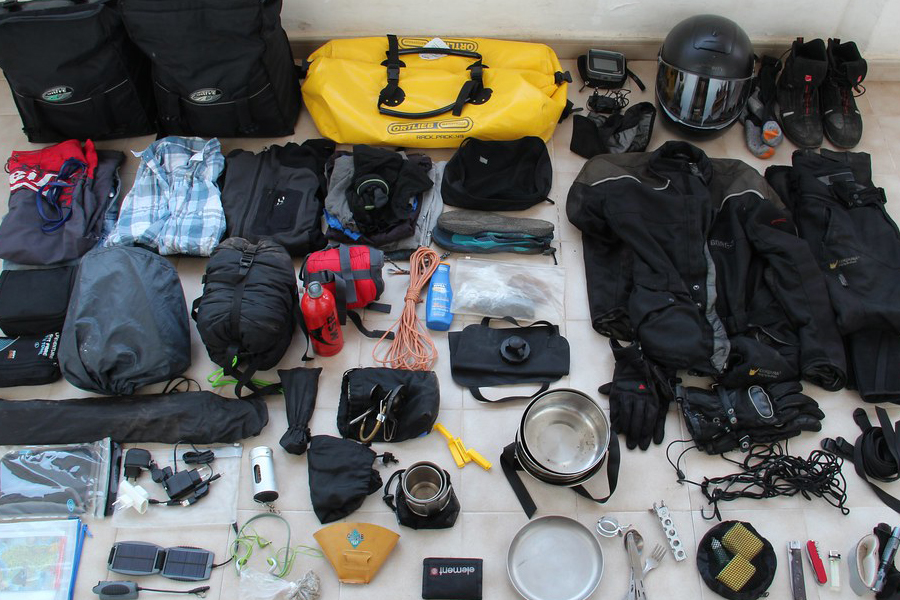
Trekking in Nepal has attracted hundreds and thousands of trekkers since it was first successfully scaled in 1953 by Sir Edmund Hillary and Tenzing Sherpa. It is a well known fact that trekking has been the leading activity of foreign tourists ever since. While most trekkers know about the gear required during trekking, some novice wanderers or first timers do not take into account the importance of trekking gears. The options to hire and buy trekking gears in Nepal are plenty for those who do not have their complete gears. Although trekking gear is not required for short and easy trekking packages at low altitudes, it is recommendable to have your gears while embarking on a high altitude trek in Nepal.
What are my options to hire trekking gears in Nepal? If this is your question and you want to travel to Nepal light then read on. We have tried to bring together all the necessary components of hiring trekking gears in Nepal. For those who wish to ask ‘Can we buy or hire a trekking gear in Kathmandu’, the answer is, ‘Yes, we have multiple options to buy or hire trekking gears in Nepal.’
Should I hire my trekking gears or buy them?
First and foremost, if you are an avid trekker and frequently doing trekking in Nepal or elsewhere in the world, purchasing a good set of essential gears and equipment is a recommendable option. However, if you are trekking once in several years, then it is better to hire your trekking gears and equipment for the trekking duration.
It is very obvious that possessing your own equipment gives you more flexibility and freedom. In spite of that, it is rather not sensible to purchase all the gears you need. Therefore, for people who go out for trekking once in a while, hiring gears is very much preferred over buying brand new ones. Also, hiring or purchasing equipment majorly depends on issues like budget, actual need, and practicality. If you are trekking at low altitude areas, you will not need any special gears or equipments apart from the essentials like shoes and clothing. Regardless, if you wish to be completely geared up and not risk your well being, then it is sensible to hire instead of purchasing a new set.
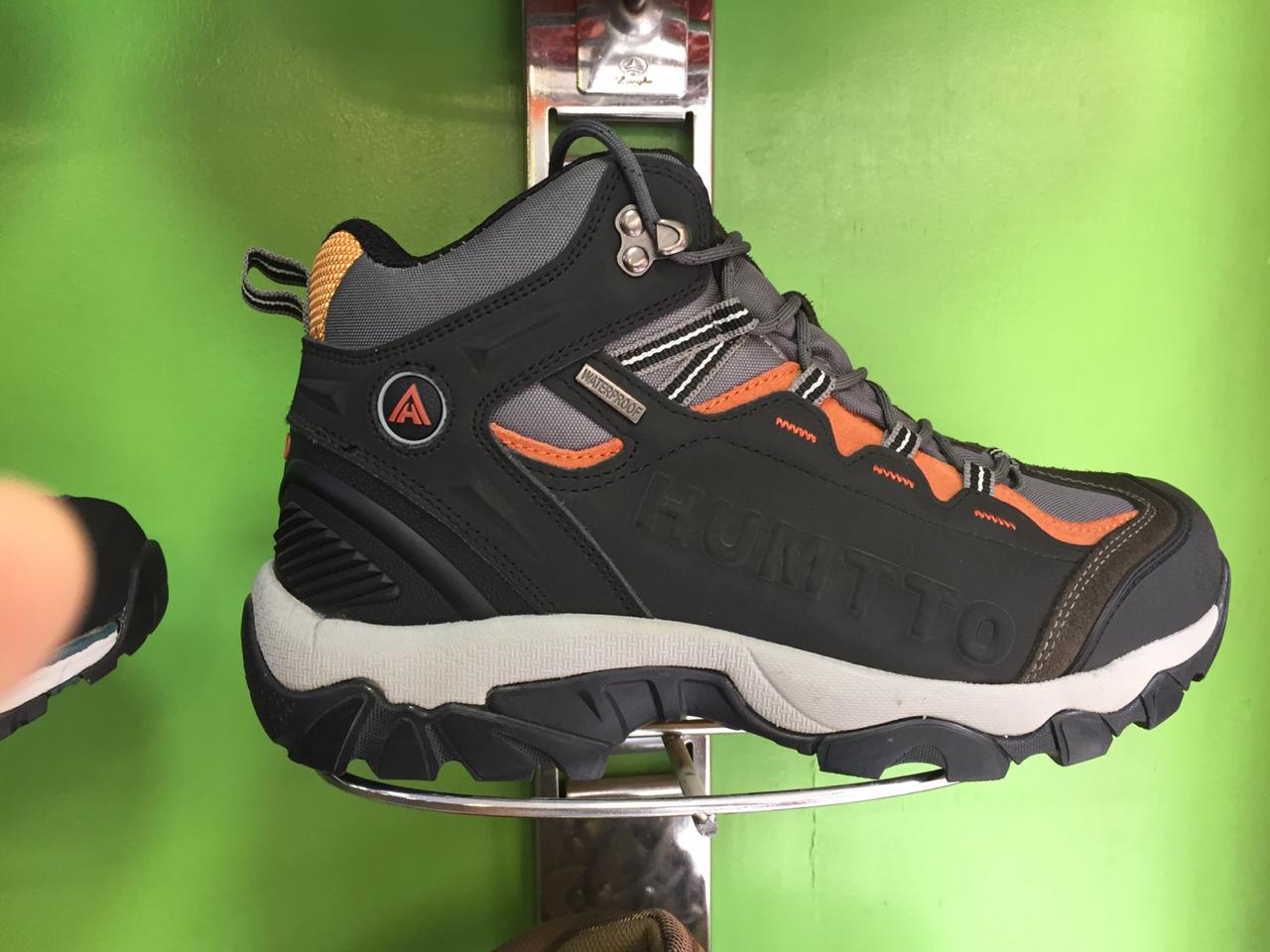
A trekker has several options on hand when it comes to deciding whether or not to have trekking equipment. As mentioned earlier, it is highly recommended to have proper gears before trekking to high altitude mountainous regions. To begin with, we always advise our clients to purchase the essential things such as hiking shoes and day-backpack. Other items like sleeping bag, down jacket and trekking poles can be simply hired in Kathmandu in one of the numerous rental shops. It has however, been recorded that some travelers have allergic effects while resting in used sleeping bags or while wearing used down jackets. In exceptional cases as such, it is always advisable to buy or bring your own items.
On account of availability and economic feasibility, there is hardly any difference between hiring a used item and purchasing a brand new one. In the present day, there are plenty of options available in the markets in Kathmandu. Unlike in the past years, various products like sleeping bag, day-backpack, trekking pole and several other items are manufactured locally in Nepal. As such, they are easily available and do not cost as much as the international brands. As compared with the international branded products, items fabricated in Nepal are equally durable and functional, at least up to the elevations of 5000 meters. For altitude more than 5000m however, our opinion to you is to acquire a trusted international brand of gears and equipment.
Where can I buy or hire trekking gear in Kathmandu?
The most renowned and favorite tourist hub in Kathmandu is Thamel, which is trendy and well admired as a core backpacker’s destination in Nepal. Visitors coming to Nepal on a trekking journey will most likely stay for a night or two in Kathmandu, especially to meet their hosts and shop for some trekking equipment. Literally, these travelers begin their trekking trip from Thamel and most probably the hotel where they stay will be located in Thamel or nearby to the bustling street. Thamel practically has everything on sale or for rent that a traveler could ask for. Right from various standards of accommodations, restaurants, pubs, grocery shops, laundry agents, hair salons, spa centers to hiking & trekking gears, almost everything is available in this impressive little town.
Buying or renting hiking gear in Thamel is very easy as every shop at every lane displays all required items required by trekkers. If not all, most of the shops have Nepali products or China made knock-off brands like North Face, Mountain Hardware, and Mammut. These items are the closest imitations of the original product. It is very hard to differentiate amongst the original and counterfeit items. Even the quality of the counterfeit item is almost the same as the original one; they are good enough to last for at least 4 to 6 different treks in the Himalayas, as far as low altitude treks are concerned. Over and above, the prices of these imitated products are comparably much cheaper than the original brands. Nevertheless, it is also possible to find original branded trekking equipment. Their cost, however, could be on a higher side that what is available in your native country due to a chain of numerous taxes levied on the imported products.
How can I find a shop in Kathmandu to buy or hire my trekking equipment?
Although, you may stumble upon hundreds of shops in Thamel that offer trekking or hiking gears for rent or sale at unbelievably very low rates, it is high time for you to stay alert for the lowest quality product that may not last even for a few days. The best bet to hire or purchase any item would first be to explore several shops and get an idea about the price of a common item. The price of an item may vary from one shop to another, but the variation should not be extreme. Doing this will allow you to know the cost of a particular product and you can hire or purchase accordingly.
As a responsible travel partner, we advise our clients about renting or buying their hiking gear according to their needs and budget. On one hand, it is perfectly alright to purchase items which will not affect the trip. These items include T-shirts, sandals, sunglasses, hats or shorts. While on the other hand, it would include a higher risk level to purchase items that require specific performance of the trip, for example hiking shoes, tents, sleeping bags, cold-weather clothing and many similar items.
In fact, it is relatively very easy to locate a store to purchase brand new items. However, not all shops will rent out their equipment, thus it is not as easy to find a rental shop. More frequently, a rental outlet will not be visible on the main streets; these may be located on smaller sub-streets, behind walls or partly visible beneath the roads on the main street. The most reliable and safe way to purchase your trekking gear is to consult with your guide or take him along with you during purchase time. If you are on a trip with some agencies, it is best to take assistance of your local specialist, who will obviously suggest you the best option. When accompanied by your guide or your local partner, they will take you to the most reliable places which may be hard for you to find. For visitors who are traveling solo, it is always the best thing to do to ask your hotel for good suggestions and also the exact location of the retail shopping or renting outlets.
Buying or Hiring from Big-Name Retail Outlets
As mentioned earlier, there are abundant shops that sell local products as well as international branded trekking products in Thamel. You must not be shocked to see products bearing branded logos yet not expensive at all. The reason is nothing but the products being counterfeit and not comparable with the original branded international products at all.
Owing to the gain in popularity, certain big-name trekking gear producers like Mountain Hardware and North Face have launched their presence in Nepal as well. These reputed outlets are located in Tridevi Marg, which is not very far away from Thamel. At these outlets, trekkers will be able to find almost everything required for their journey in the mountains. Other popular and trendy outlets found in and nearby these areas are Black Yak, Kailash, Mammut, Anta, Black Diamond, and Shona’s Alpine. At Shona’s Alpine, one can buy as well as rent any equipment required for trekking. It is a fixed price store where traveler’s need not bargain for the prices. These people are well renowned in the town for their familiarity with the mountains and their honesty about your actual requirements. They won’t try to sell or rent their equipment to you unless it is compulsorily necessary for you. They are also popular for manufacturing their own products which are indeed of very high quality.
Likewise, for those who are looking to purchase local products that wouldn’t cost very high, we recommend you to try Sonam or KTM city stores. Similarly, if you just wish to hire your trekking gears, our recommendation will be Kalapatthar Trekking Store, located in Satghumti in Thamel or Goreto Gear Traders located in Bhagwati Bahal in Thamel. There are several other smaller stores that provide trekking and hiring equipment either for sale of hire. It is also wise to consult with your trekking agency before purchasing or hiring any gears.
Bargaining while purchasing or hiring trekking equipment in Kathmandu
No doubt, bargaining is a normal way of life in most of the parts in Nepal. So travelers can expect a little bit of bargaining and negotiating with the local salesperson. Bargaining is especially a norm here especially when it comes to purchasing a local product. Although it may seem quite awkward at times particularly when you don’t know the market price of a product, it is recommended that you visit some more stores to understand the price range of the same product. Once you know the price margin of a certain product, haggling will be more comfortable as you can let the shopkeeper know that you have already inquired the price from various other shops.
List of trekking gears used while trekking up to 5500 meters in Nepal
Although all the items mentioned below are not mandatorily required while trekking in Nepal, but these are normally used for trekking purposes. Only the necessary items can be purchased or hired for trekking. We advise you to consult with your guide or your agency before purchasing or hiring:
Hiking boots
Medium backpack
Down jacket
Light wind & water proof jacket
Water bottle
Water proof trousers
Lightweight trousers
Four season sleeping bag
Torch/ Flash light
Medium sized towel
Shorts, T-shirts, long sleeved shirts
Woolen socks and light socks
Fleece sweater
Sunglasses, Sun Cream, Sun Hat, Gloves
Inner sleeping sheet
List of trekking gears used for peak climbing or trekking over 5500 meters in Nepal
In addition to the equipment required for trekking up to 5500 meters, the below-mentioned items are additionally required while climbing peaks or for trekking at higher altitude areas. From the list, some of the gears can be purchased or hired in Kathmandu itself:
Day pack
Four season sleeping bag
Snow glass
Waterproof gloves
Climbing boots
Waterproof climbing gaiters
Water-proof over-trousers
Down jacket
Crampons
Ice-axe
Harness
Ascender/Descender
Karabiners
Cost of buying and hiring trekking gears and equipment in Nepal
It is always wise to carry your own trekking shoes, comfortable basic clothes, and basic electronic accessories like camera, chargers, torch or iPads etc. Most of the other gears and equipment are easily available in Kathmandu at competitive prices. If you are not a frequent trekker, it is more sensible to hire your equipment instead of buying them. Traveling light from your native country is a more comfortable option for you. For as low as US$ 1 per day, it is possible to rent almost anything you’ll need during trekking. As health and safety concerns, it is , however, suggested to ensure that the gear you hire has been well taken care of and inspected and washed after each use. Particularly, the items available for hire in Kathmandu are day-packs, duffel bags, walking sticks, down jackets and 4 season sleeping bags.
There are ample trekking retail outlets in Thamel for you to either buy or hire your trekking gears based on your requirement. It is best for you to check the price for all items before you decide to either hire or buy those items as some items may cost you less buying it rather than hiring. Below mentioned are some tentative cost of trekking gears and equipment that are available for trekkers to purchase or hire. The rates may slightly vary from one store to another, but the difference in their costs is not so huge:
Hiring Cost
Gear
Cost
Sleeping bag (Normal Quality)
US$ 1 per day
Sleeping bag (Medium Quality)
US$ 1.5 per day
Sleeping bag (High Quality)
US$ 2.5 per day
Hiking boots
US$ 2 per day
Down Jacket
US$ 1.5 per day
Climbing Gears (Full set)
US$ 100-150 per week
Basic Ridge Tent
US$ 3 per day
Dome Tent
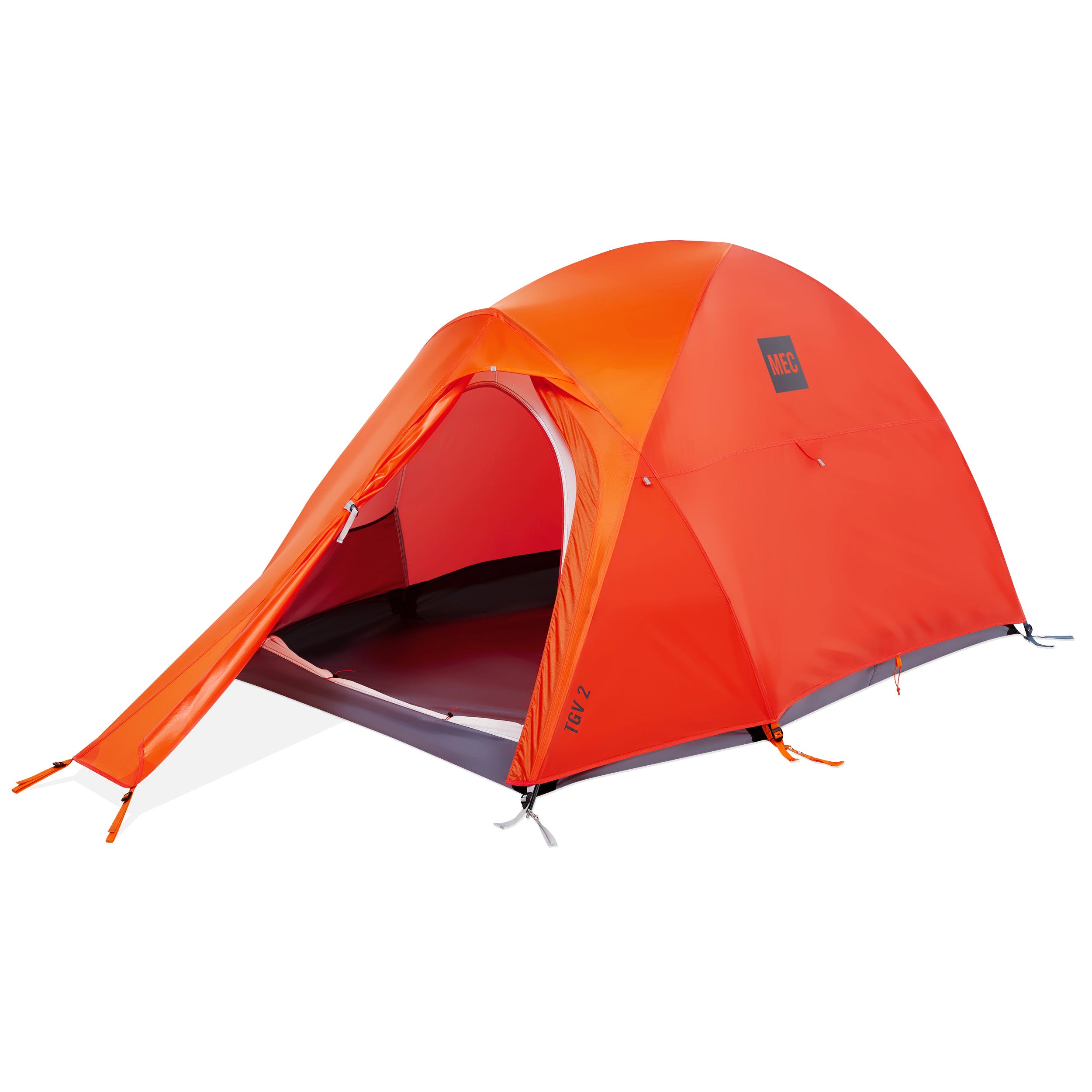
US$ 5 per day
Purchasing Cost
Gear
Cost
Backpack (55L to 65L)
US$ 45 – 65 per bag
Daypack (25L to 35L)
US$ 25 – 35 per bag
Hiking shorts (All sizes)
US$ 20 – 25 per piece
Hiking pants (All sizes)
US$ 25 – 30 per piece
Hiking shirts (All sizes)
US$ 15 – 20 per piece
Thermal set (All sizes)
US$ 10 – 15 per pair
Warm fleece, upper & lower (All sizes)
US$ 20 – 25 per pair
Warm hat (All sizes)
US$ 3 – 5 per piece
Trekking stick (Chinese)
US$ 20 – 30
Trekking stick (International brand)
US$ 30 – 60
Windproof gloves
US$ 5 – 10 per pair
Hiking socks (woolen)
US$ 2 – 4 per pair
Scarf
US$ 2 – 5 per piece
Sunglasses
US$ 5 – 10 per piece
Headlight
US$ 15 – 20
Water Bottle
US$ 3 – 7 per bottle
Down jacket (local)
US$ 30 – 80 per piece
Sleeping bag (local)
US$ 40 – 70 per piece
Water purifying tablets
US$ 2 (for 50 L)
Sun block Cream (Nivea)
US$ 4 – 5
Conclusion
Almost everything you require for your trekking vacation is easily available in most of the small, medium and large shops in the streets of Thamel in Kathmandu. As a matter of fact, there are more than hundreds of shops stuffed with gears and equipment stretched across the whole of Thamel street. If you are a light traveler and don’t want to carry all the stuffs along with you from your native country, then it is a good option to hire the necessary gears in Kathmandu. One important tip to travelers is that if you don’t go out for frequent trekking vacations, it is wise to rent your gear instead of purchasing them. We also advise you to bring your own hiking boots that are reliable and broken in. Travelers are once again reminded that the knock-off shops in Kathmandu may vary in price and quality, so make sure to consult with your service proving company or your guide where to do your shopping. Don’t be surprised to find the counterfeit products with fake logos at very low prices. Likewise, international brand names are just as expensive in Kathmandu as elsewhere in the world. Finally, when you are planning a holiday trip in Nepal, make sure to budget at least one or two full days to spend in Kathmandu before actually starting to trek.
The best monsoon treks in Nepal are, indeed some of the most popular trekking packages in Nepal. Although the monsoon months don’t attract flocks of trekkers in Nepal owing to the high temperatures. And excessive rainfall, it is fortunate for those who pick trekking in the rain shadow areas. Despite the climatic uncertainties during monsoon, trekking during these seasons has various advantages – less crowded trails, lively villages, and blooming valleys. However, some treks during monsoon are best to avoid as the routes may be in ramshackle by incessant rainfall.
Trekking trails get terribly wet and muddy making it noticeably risky of landslides, falling boulders and road blockages. Interestingly, the summer season and monsoon months collide between the same months between June and August. It is during these months that the mountain views are murky and flight delays are incomprehensible. On the fortunate front, Nepal has several destinations lying in the rain-shadowed zone that receive very little or no rainfall at all. Trekking in isolation with the best nature experience filled with green-carpeted lush vegetation and abundant flora is also a boon of the monsoon treks in Nepal.
Before we mention about some of the best monsoon treks in Nepal, we would like to bring some basic facts that would be handy to our fellow travelers:
Quick facts about monsoon in Nepal
The onset of monsoon in Nepal kicks off from early June and lasts till the end of August or early September.
The average temperature of Kathmandu during monsoon season ranges between 22°C to 30°C. The temperatures will gradually decrease as you ascend higher.
Travelers can experience a discounted adventure trip in Nepal during monsoon as it is literally an off-season.
Monsoon is the agricultural season in Nepal which means travelers can witness several activities such as ploughing, sowing, weeding of agricultural produce. Some foreign travelers enjoy participating with the Nepali farmers.
Monsoon season is a boon to keen botanists and nature lovers – it is a moment to observe fresh nature and abundant greenery almost throughout the trekking trails.
Owing to the low season, most of the teahouses on the trekking route remain closed. However, the open lodges will readily provide accommodation and food to fellow travelers.
It is always better to have some buffer days in hand to avoid flight delays or road blockages during monsoon season. Travelers may be stuck for several days at the airport or elsewhere.
Normally, rainfall starts during late afternoon, so starting to trek early in the morning to avoid the rain is the best bet for trekkers.
As an advantage – it is more likely for trekkers to witness a clearer view of mountains along with blue sky and surrounding green forests after a rain shower.
It is wise to pack goods that include waterproof shoes, light jackets or raincoats. Also, carrying drinking water and snacks is a relief if ever trekkers get stuck for few hours on the route.
Thunderstorm and lightning is not regular but whenever it occurs, it is advised to seek shelter inside your vehicle or a grounded building nearby.
When is the Monsoon season in Nepal?
Monsoon season starts in Nepal from early June and goes all the way through July and August as long as till early September. Not surprisingly as it may seem, monsoon and summer seasons in Nepal fall during the same months. It is a few weeks after the onset of summer season, the country begins to receive rain showers.
How is weather like during Nepal’s monsoon?
Nepal is divided into three geographical landscapes; Himalayan (Mountains), Hilly and Terai (Plains). The weather depends on the landscape as well as the altitude. Some parts of the country receive less rainfall while other parts may receive excessive rainfall during monsoon. As we are talking about the trekking which is done in the mountains, let’s get insight on Nepal’s monsoon in the Himalayan region.
Weather is relatively hot and humid during these times in mountains as compared to other times throughout the year. And as obvious it is, monsoon means frequent rain showers.
Is trekking possible during monsoon?
Although it rains a lot during monsoon, there are certain rain-shadowed areas in the Himalayan region. These areas serve as the best trekking destinations in Nepal during the wet season. It is because rain-shadowed zones receive less rainfall in monsoon and also it mostly rains during late afternoon at altitudes above 2500m. By the time it starts raining, trekkers will have reached their destination for the day. Another reason to trek during monsoon is fewer crowds even in popular destinations, which inspire trekkers who love isolation. Thus, trekking is possible during monsoon although it is not considered the best time of the year. However, some drawbacks like wet and muddy trekking paths, and leeches in the lower altitudes can be taken care of, with safety measures.
Here, we have compiled the best monsoon treks in Nepal, many of which fall in the rain-shadowed regions and a few others are the popular ones during the best seasons. Rain-shadowed zones are pretty much obvious to make the list, but even some of the popular ones are also included because of certain advantages and being possible to do during summer/monsoon.
10 Best Monsoon Treks in Nepal:
1. Upper Mustang Trek
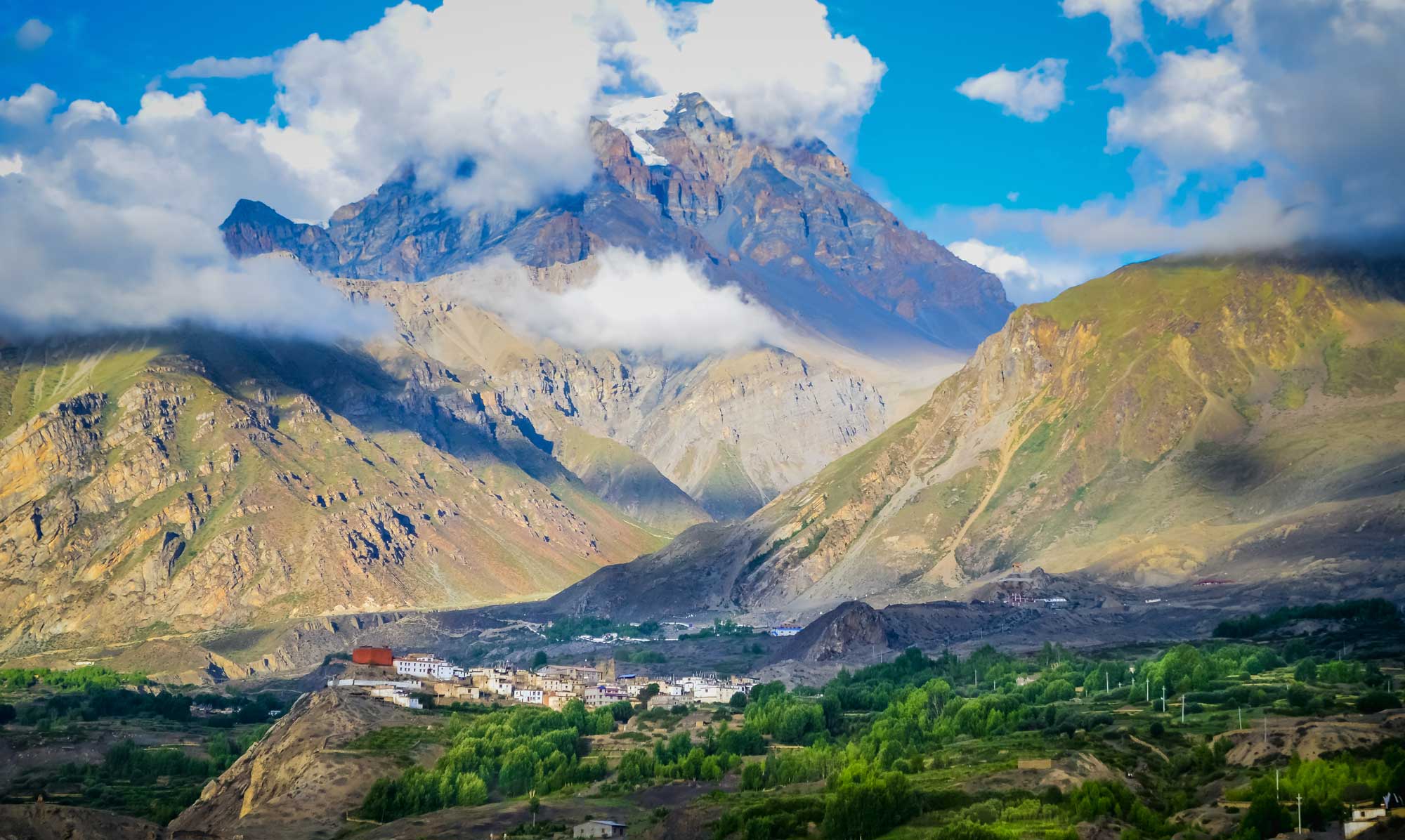
Upper Mustang region lies in the full rain shadow zone which makes it a number one trekking destination in Nepal during monsoon. Corroded hills, desert-like mountainous landscape and superb rock formations make this region a unique trekking destination in the Himalaya. Furthermore, travelers can hike all the way to the forbidden kingdom of Lo Manthang where traditional Tibetan culture is still well-preserved. Upper Mustang is situated in the mountain ranges of Annapurna and Dhaulagiri. One can commence the Upper Mustang trek followed by a flight or a bus ride from Pokhara to Jomsom. It should be noted that Upper Mustang is a restricted trekking region and hence, a special trekking permit is required
2. Upper Dolpo Trek
Upper Dolpo trek is one of the best off-the-beaten path treks in Nepal. The trekking region is located in the Dolpo district in the northwestern part of Nepal. The region is inhabited mostly by followers of Bon religion. The major highlights include rich Tibetan culture, ancient monasteries, and the mysterious canyons. Adding yak caravans, mules, and the rock-cliff Gompas will make it an adventurous trek with a unique experience of local culture. Trekkers fly from Kathmandu to Nepalgunj, and then to Juphal to begin their adventurous trek. Alike the Upper Mustang trek, Upper Dolpo is also a dry mountainous region and receives lesser rainfall. Similarly, Upper Dolpo is also a restricted region and requires a special permit for trekking here.
3. Manaslu Circuit Trek
The Manaslu Circuit Trek is yet another restricted trekking region in Nepal and a popular monsoon trek. Manaslu region lies in the west-central part of Nepal and the journey takes trekkers around Mt. Manaslu, the eighth highest peak in the world. Crossing the Larkya La Pass (5160m) which is considered to be one of the world’s most dramatic pass, is the major highlight of Manaslu Circuit Trek. The breathtaking views of Manaslu among other Himalayan giants, the vibrant local heritage and rich biodiversity are some of the other rewarding highlights of the trek. One can kick off this adventurous trek with an off road drive from Kathmandu to Soti Khola.
4. Rara Lake Trek
Rara Lake is the largest lake of Nepal with exotic Himalayan flora. A numerous variety of birds in the surrounding makes it a must-visit monsoon trek in Nepal. Unlike the Upper Mustang and Upper Dolpo, the trekking trails of Rara Laka Trek are not dry. The turquoise lakes with its crystal clear waters make Rara a photographer’s dream paradise. The Rara Lake and the trails are parts of the Rara National Park, which is located in the Mugu district near the far-western part of Nepal. Travelers can take a flight to Nepalgunj and then to Talcha airport to begin this beautiful nature trek.
5. Nar Phu Valley Trek
Nar Phu Valley Trek is an incredible trip on the off-the-beaten-paths in the remote corner situated on the northern wings of Annapurna region. The exotic far-flung area offers medieval Tibetan culture, vivid mountain views and spectacular alpine scenery. Travelers can drive as far as Upper Koto before beginning to trek to the secluded region. Perhaps no other trekking route in Nepal matches with Nar Phu Valley Trek when it comes to tea-house trekking. The conical canyons, dense forests, the high Kang La Pass, the herd of peerless yaks and a unique group of Himalayan tribes are what visitors will be able to see in plenty.
The Tibetan chortens, Buddhist monasteries, the prayer stones and the extravagant mountain vistas contribute to making Nar Phu valley trek one of the best wilderness treks in Nepal. It is also a restricted trekking region thereby requiring a special permit through government registered trekking agency. The other requirement is a minimum of two people to obtain the trekking permit. Solo travelers normally pay for two persons and acquire a ghost permit through their travel partner.
6. Upper Humla and Limi Valley Trek
Probably Humla is the most remote district in the whole of Nepal. Trekking in this region is another underrated travel destination in Nepal because of the inaccessible rugged location. Adventure seekers who venture on this spectacular off-the-beaten-track experience panoramic mountain views. Also, the region of Upper Humla and Limi Valley lie on the rain shadowed zone thereby receiving minimal rainfall. Although a less crowded trekking destination of Nepal, it is unbeatably one of the best places for trekking during monsoon. Traveling during summer would probably give an opportunity to visitors to encounter the elusive snow leopard.
The magnificent trekking route follows the ancient salt trading and pilgrimage route on the Nepal-Tibet border. The views of Mt Limi Himal, Mt. Saipal, and Mt, Kailash are sure to delight its spectators. The rarely visited Limi Valley with its incredulous red rock formations and medieval stone villages is nothing less that stepping back in time.
7. Jomsom – Muktinath Trek
Jomsom Muktinath Trek is a classic pilgrimage tour and more popular as a sacred site which is suitable to visit during monsoon season in Nepal. Traversing along the world’s deepest gorge in the Kali Gandaki River Valley to reach the holy spot, Muktinath is a favorite destination to both Hindu and Buddhist devotees. It is considered to be one of the most popular trekking packages in the most popular routes of the Mustang and Annapurna regions of Nepal. Embarking on a spiritual journey along the area remains mostly dry throughout the year with very little rainfall. Winter, however, covers the area in abundant snow. Passing through impressive villages of Marpha, Kagbeni, Ghasa, Tatopani, Ghorepani and Jomsom is such a memorable experience to all trekkers.
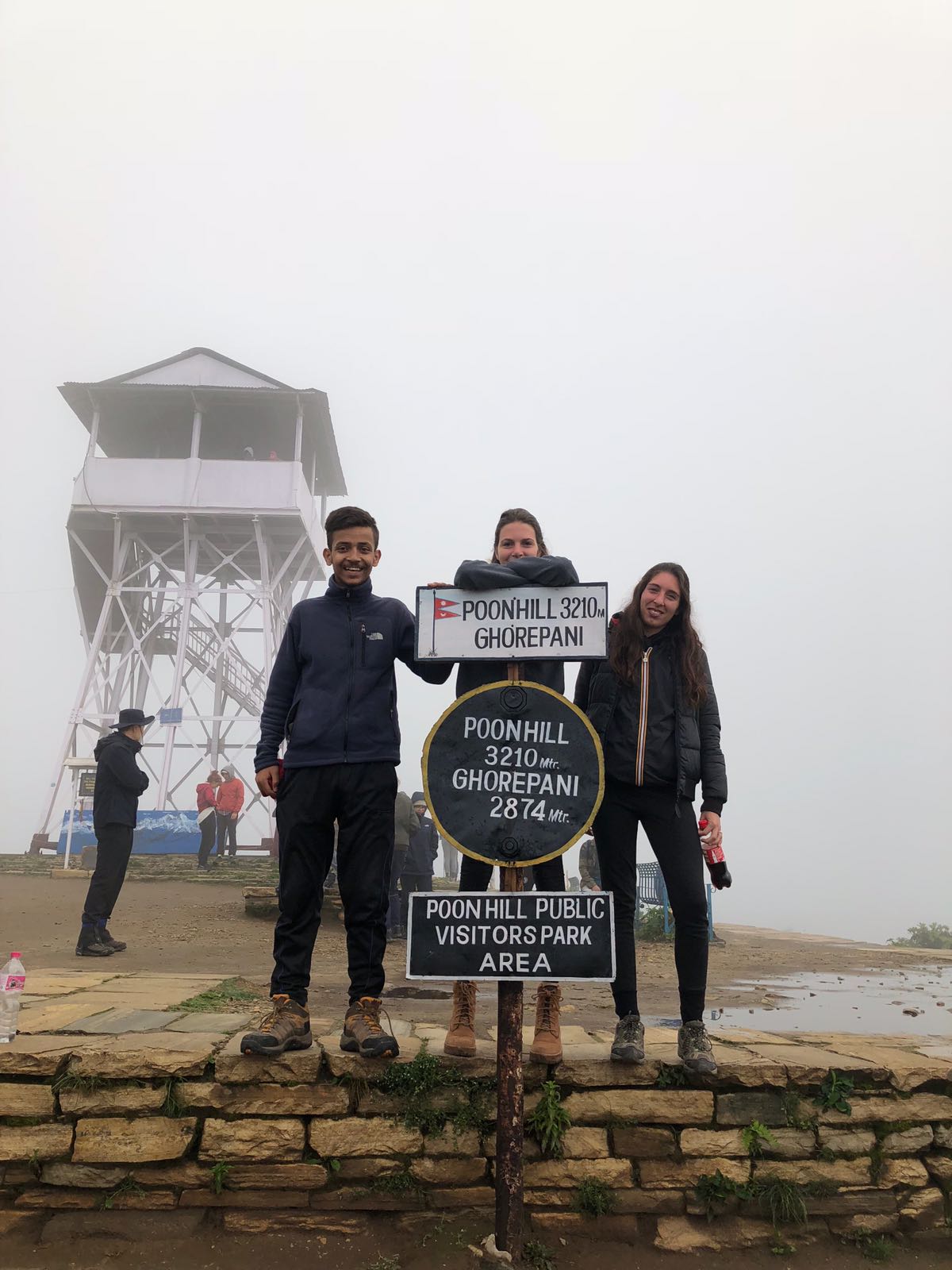
8. Ghorepani Poon Hill Trek
Ghorepani Poon Hill Trek also known popularly as the Annapurna Sunrise Trek can turn out to be an exciting monsoon trek despite the wet trail and limited visibility. The trails on this route are wide, well carved out with stone steps and the creepy leeches are relatively non-existent. Trekkers on this route get ample opportunities to experience a typical rural lifestyle and an excellent ethnic munificence. Early and late monsoon on this trekking trail can prove to be a great time as it allows travelers to avoid huge crowds.
Traversing picturesque villages like Ulleri, Ghorepani, Tadapani, Ghandruk and many others will showcase their own uniqueness and their own natural settings. The most renowned sunrise view from Poon Hill early in the morning is the significant highlight on this trek. Mind-blowing views of epochal Himalayan peaks such as Machhapuchhre, Tukuche, Nilgiri, Annapurna South, Dhaulagiri and more than 20 other peaks will leave travelers spell bound.
9. Annapurna Circuit Trek
Annapurna Circuit Trek is unbeatably one of the most demanded and the most popular trekking destinations in Nepal. Besides, it is believed to be one of the most beautiful trekking routes in the entire universe. The spectacular trekking trip allows visitors to plunge into the rich cultural wealth, the untouched trails and the diverse Himalayan flora and fauna species. The magnificent mountain peaks such as Mt. Manaslu, Ngadi Chuli, Annapurna, Pisang, Machhapuchhre, and numerous others greets its visitors on the entire route.
Walking through the highest pass in the world – Thorong La Pass, and the world’s deepest gorge, the Kali Gandaki Valley, is a proud moment for every traveler to have achieved this feat. Impressive villages like Jagat, Sirung, Dharapani, Chame, Pisang, Manang, Ghandruk, Tadapani, Ghorepani and others having their own distinctive features will etch wonderful memories on every traveler’s mind.
10 Everest Base Camp Trek
Everest Base Camp Trek is probably the most popular trekking destinations in the whole world. This spectacular journey is often taken up by trekkers during the spring or autumn time when the routes are overcrowded and the teahouses remain jam packed. However, it is possible to trek to the Everest Base Camp in any of the four seasons of Nepal. Trekking during monsoon will let the visitors to experience rain showers during the first few starting days of the trek.
The weather will start improving and offers clear blue sky as hikers ascend to higher altitudes. Stumbling from the backyard of the world-famous Sherpa people and the high-altitude monasteries, one can explore the open natural beauty including the bountiful flora and fauna in the Khumbu region of Nepal. Getting a flight ticket to Lukla during monsoon is not a problem. Similarly, accommodation and food on the entire trekking trail will be easily available.
Conclusion
With the arrival of summer in Nepal, it is time for arrival of monsoon as well. The weather becomes notoriously muggy, not sparing any soul, with heavy rainfalls causing floods, landslides or road blockades. But, it is amazing to get to see quite a handful of foreign tourists with their small backpack heading towards the mountains. Many people are deceived by the monsoon in Nepal making them believe that the entire country has been affected by the heavy downpour. Very less people including the Nepalese know about the rain-shadowed zones in Nepal which are completely safe and exciting to trek to.
There are several suggested trekking destinations in Nepal amidst the monsoon months. Obviously, trekking in the Himalayas during monsoon is not exceptionally cold and one can observe some trekkers enjoying their trek. Although, monsoon trekking in Nepal may have a handful of demerits, yet there are several advantages to win over and entice trekking aficionados to reach up the mountains and scream their heart out. No wonder what a season trekker may feel on achieving a feat to reach to the base camp or accomplish a moderate trek, it is certainly a weird new sensation to accomplish the same during the monsoon season in Nepal!
The Construction of Road on the Annapurna Circuit Trekking Routehas witnessed major impacts in the tourism industry. Annapurna Circuit Trek is no doubt one of the most popular trekking routes in the world. With the ever-increasing popularity, this trek has amassed a wide range of travelers from all over the world. Nepal, an avid trekker’s haven, is abundant in classic trekking trails that lead to the utter wilderness. While the number of trekkers keeps increasing each year, the nation welcomes its lovely travel freaks with arms wide open.
Among several publicly accessible trekking routes, Annapurna Circuit Trek is one of the most preferred and best trekking destinations in Nepal. This trekking circuit of the Annapurna region provides all the travel enthusiasts with a thrilling lifetime experience. The classic walk circumvents the massive Annapurna massif while getting entwined with nature in all its natural form. Likewise, the pleasant walk not only allows one to enjoy the blissfulness of nature but also experience the local Nepali life up close. Indeed, the most-traversed trail moves through outlandish villages towards the enthralling mountains.
The 21-day Annapurna Circuit Trek allows venturing into the magnificent Annapurna range. At the same time, the trek passes through the highest pass and the deepest gorge in the world. The trekking elevates up to the highest altitude of 4,600 meters at Thorong La Pass, the highest in the world. Likewise, the trail also travels in between Annapurna I and Dhaulagiri through the world’s deepest Kali Gandaki gorge. Apart from these thrilling marvels, the spectacular hike also provides it, trekkers, with local ethnic experience.
The 150-mile trek passes through Magar, Gurung, and Thakali settlements making the wanderers feel utmost at home. Nevertheless, this popular trek is said to be losing its value with the development of infrastructures. The construction of a road on the Annapurna Circuit Trekking route has been impacting the trekking experience in the panoramic landscapes of the Annapurna region. How true can it be? Here are few things that trekkers need to know about Annapurna Circuit Trek and the trails after road construction.
Annapurna Circuit Trekking: After Road Construction
The Annapurna Circuit Trek has been opened for adventure seekers for almost four decades now. Since then, a large number of wanderers have passed through the adventurous trails seeking comfort in the wilderness. The circuit begins from Besisahar towards Manang to Muktinath and finally back to Pokhara. Previously, the trekking route only covered footpaths with no roads. But with the world making progressive developments, the footpaths at majority portions of the trails have now been transformed into roadways. The government of Nepal has constructed roads on both the eastern and western sides of the trail. The streets extend from Chame to Manang in the east and from Pokhara to Muktinath in the west. The western portion of the road construction seems to have significantly impacted the Annapurna circuit trails. Consequently, these newly dug roads connect numerous villages of rural Nepal, but the developmental issues are still controversial.
While the construction of roads has taken these villages a step towards development, it has notably affected the tourism sector. The walk across these unpaved roads leaves the trekkers surrounded by dirt and specks of dust. Furthermore, every vehicle that passes by leaves dusts flying around for trekker to choke on. With this, the trekkers are subsequently discouraged from walking through the dusty road. Generally, the local villagers speak highly of the road construction as it provides them access to transportation. But the ones involved in the tourism sector are not entirely happy with it. The development of roads has crucially decreased the number of tourists in the area. However, the Annapurna Conservation Area Project in collaboration with Nepal Government devised a new trekking trail for all keen trekkers. The trail is now named Natural Annapurna Trekking Trail (NATT).
What does Annapurna Circuit Trek Look Like Now?
Despite the development of roads, Annapurna Circuit now provides an alternative pathway to eager travelers. With the Natural Annapurna Trekking Trail (NATT), Annapurna Circuit trekkers can now enjoy their walk in utter bliss. This trail is an alternative pathway that avoids the dusty roads while providing a scenic view along the way. Even though NATT offers several alternative trails, the view along the route hardly differs. The new-formed trail does not obstruct the panoramic view of the mountains. In fact, the path allows the trekkers to stay connected with nature. Similarly, the tranquil trails meander through the farmlands found in all its shades of green. The trail then passes through the rappelling waterfalls and passing through several suspension bridges. Furthermore, the rock-strewn trails also come across small hot springs where one can soothe their aching muscles.
Likewise, as the trail gains altitude, it promises an excellent view of beautiful landscapes and glorious mountains. It even takes the trekkers through meadows, where yaks and horses graze their hunger away. Similarly, the NATT trail also crosses small gushing rivers along the way passing through the wooden bridges. The new NATT trail avoids the roads and provides beautiful natural trails while allowing trekkers to spend the night in the same villages. The NATT can be determined by following the blue and white or red and white marked trails. The painted sign allows the trekkers to enjoy a pleasant walk away from the dusty roads. However, this route requires diligence among the trekkers in order to stay safe on the road. Various adventure seekers who have trekked in Nepal through both old and new Annapurna Circuit trekking route believes that the newly formed route is even better. Book or customize your trip here.
Annapurna Circuit: How To Get There?
The Annapurna Circuit trekking circles around the entire Annapurna Massif with an extraordinary view of the majestic mountain. The trek takes around Lamjung, Manang, Mustang, and Myagdi regions of Nepal. The trek usually begins from Besisahar or Khudi which is an 8-9hours drive from Kathmandu. From Khudi the trail heads towards Sirung and then to Jagat, Dharapani, and Chame spending the night in each of these villages. It is about 6-7 hours’ walk from one village to the next. Likewise, the trail then leads to Pisang, Manang, Yak Kharka, and then finally to Thorong Phedi. From Thorong Phedi the route passes through Thorong La Pass, the highest point, towards Muktinath. Similarly, the trail then descends to Pokhara passing through Marpha, Kalopani, Tatopani, Ghorepani, Poon Hill, Tadapani, and Ghandruk. The spectacular trail begins from the east heading towards the west in a counterclockwise route.
However, trekkers can also begin trekking the other way round, that is from west to east on a clockwise trail. But the clockwise route gains altitude quickly leaving less room for acclimatization. Therefore, for better acclimatization, trekkers normally prefer the counterclockwise route. On the other hand, trekkers can also shorten the 21-day trek. With the construction of the road on both the east and west side, the trip may be reduced up to 14 days. Besides, visitors can also add a little thrill by incorporating mountain biking along the rough mountain road during their adventurous trip. However, for those who love indulging in nature, the 21-day trekking would be a perfect match. So to say, the Annapurna Circuit Trek provides multiple options for enthusiastic travelers while allowing them to make choices suitable for themselves.
Annapurna Circuit: Best Time For Trekking
When it comes to walking in the wilderness, it is necessary to keep weather conditions in mind before visiting the place and plan accordingly. A wrong choice may deprive the trekkers of the mesmerizing views after days of walking. Among the four seasons, autumn and spring are said to be the best time for doing the Annapurna Circuit Trek. Trekkers can plan their trip from September to November or from March to May. These months provide the best view of the mountains. However, trekkers, on the other hand, may cram the routes during this time of the year. In order to avoid overcrowding, summer or monsoon season may also be an option. Summer could be a boon for anardent botanist while trekking in monsoon can be affected by the rain. Apart from it, trekking during harsh winter can be a challenge. The freezing temperature may not work out for some trekkers.
Conclusion
Annapurna Circuit Trek used to be the longest trek in Nepal in the by-gone years. The diverse terrain provided a truly unique experience. But, after the construction of a road in the major portions of the trekking trails, things have not remained the same. Roads now reach Manang on the Marsyangdi side and Muktinath on the Kali Gandaki side. Literally, only three to four days over the Thorong La Pass are completely inaccessible by road. The most negative impact after road construction is that the Annapurna circuit trek can now be done without a guide. Trekkers and nature lovers will be missing the most important part of their adventure trip not taking a guide with them. A good guide is not just a companion or a safety aid. He is also the major source of information about the route, culture, and tradition of the village people, and ecology as well.
The beauty of the trail, no doubt, has been destroyed to a certain extent. There are chances that local villagers will no longer be benefited from tourism due to easy accessibility. There are certain tourists who prefer to be driven all the way through, wherever possible; stop for a photoshoot, hop in the heated car and move ahead to the next stop point. On the other hand, a lot of nature lovers who only wish to trek will hate the road. While the newly constructed road isn’t as distasteful as several trekkers may reckon to be – there are quite a few alternative trails totally avoiding the dusty roads.
The Manaslu Circuit Trek has remained open to trekkers since 1991. This fabulous trip is an adventurous walk that circumvents Mt. Manaslu, the 8th highest mountain peak on earth. The Manaslu Circuit Trek tour is a popular trekking destination with matchless Nepali culture and traditions on display. In the past, the Manaslu Circuit Trek in Nepal did not see as many trekkers as in the Annapurna Circuit Trek. But, in recent times many foreign trekkers have bypassed the more popular Annapurna trekking and opted for the Manaslu trekking. The development of infrastructure on the Annapurna trails has led many trekkers to avoid the dusty and busy trails. Trekkers now choose to embark on a less crowded and tranquil trekking destination in Nepal, thereby making Manaslu amongst their favorite.
Within a few years, the Manaslu Circuit trail has become a popular alternative to the Annapurna Circuit and Everest Base Camp Trek. Trekking agencies in Nepal have come out with variations in the Manaslu Circuit Trek itinerary, some offering Manaslu Circuit Trek 22 days while others offering Manaslu Circuit Trek 12 days. For those trekkers who missed out on the Annapurna Circuit trekking in its golden era, the cheaper budget Manaslu Circuit Trek is a perfect trekking package. It is a well-known fact that Manaslu trekking is one of the best off-the-beaten-path treks in Nepal. The wonderful trip takes visitors through the remote villages, lush green forests, several rivers and waterfalls, and amazing mountain vistas.
What Are The Best Time To Do The Manaslu Circuit Trek
Considering the Best time to do the Manaslu Circuit Trek, the best seasons are during spring and autumn. During the months of March, April, and May when it is spring in Nepal, the weather is clear and calm. Trekkers get the opportunity to view the high Himalayan peaks including the mighty Manaslu in its glistening form. The forests are filled with rhododendron flowers in full bloom while trekkers can watch the forests transform into beautiful gardens. Likewise, another perfect season for trekking in the Manaslu region is autumn. During the months of September, October and November it is autumn in Nepal. It is the perfect time for trekking after the monsoon has ended. During autumn, one can get the clear majestic views of the Himalayan peaks on warm sunny days. Autumn is the time when major festivals of Nepal are celebrated, so you may get a chance to participate in the local festivals as well.
Season
Best Time for Trekking
Weather
Benefits
Considerations
Spring (March to May)
Ideal
Mild temperatures, blooming flowers
Clear skies, warm days, and lush landscapes
Potential for higher crowds
Summer (June to August)
Not Recommended
Monsoon rains, high humidity
Less crowded, vibrant green scenery
Risk of landslides and wet trails
Autumn (September to November)
Excellent
Cool temperatures, clear skies
Perfect trekking conditions, stunning views
Peak trekking season, more tourists
Winter (December to February)
Moderate
Cold temperatures, snow possible
Fewer trekkers, a serene and peaceful environment
Cold weather and possible snow on trails
Pre-Monsoon (Late February to March)
Good
Cool but warming up less rain
Great views and fewer trekkers than in peak season
Weather can be unpredictable
Manaslu Circuit Trek Difficulty
How difficult is the Manaslu Circuit Trek? You might be speculating about the Manaslu Circuit Trek difficulty. You may even be wondering what level of fitness is required to accomplish the trek successfully. Talking about the difficulties while trekking in the Manaslu region, I would like to bring out all those factors that contribute to it. One thing for sure is that the trek is of strenuous grade. It is somehow difficult for novice trekkers. Despite being full of abundant natural beauty and a notion of complete peace, trekking up to the isolated foothills of the Himalayas has its own difficulties. Trekking in Manaslu during any season has its pros and cons which I will elucidate here. Difficulties while trekking may account to distance, altitude, weather conditions, travel and guide permits, and training. There are various things that will help you face the difficulties during your Manaslu Circuit Trek.
And for beginners, the good news is that you can accomplish the trek if you prepare yourself earlier. Come clear in your mind that you do not require any technical climbing skills to complete this trek. If you are a person with a basic fitness level and strong determination, you can do it!
Allow me to discuss a few factors that determine the Manaslu Circuit Trek difficulty:
. Manaslu Trek :Distance
Your trekking journey will begin with 8-9 hours bus ride from Kathmandu to Arughat and further onto Soti Khola on a local jeep. The distance covered during the bus ride is about 140 km. Your actual trek begins in Soti Khola and the total length of the trek is about 177 km which will be covered in 11 days. Various trekking agencies offer variations in the number of days to accomplish this trek. On our standard 13-days Manaslu Trek itinerary, you will be walking an average distance each day of approximately 15-18 km. During the first few days of trekking, it becomes quite difficult for beginner trekkers as the Budi Gandaki Gorge is painfully steep. You will need to walk a lot of uphill and downhill trails and sometimes walk on gusty trails and cross suspension bridges over the Budi Gandaki River.
The trek can, however, made longer or shorter, if you wish to customize it your way. All you need is to be physically and mentally prepared for all kinds of terrain and the rocky trails which may add exhaustion for unfit trekkers. We recommend you do jogging and short hiking for about one to two months prior to your Manaslu Trekking in Nepal.
. Manaslu Trek : Altitude
During the Manaslu Circuit Trek, you will traverse through different landscapes, weather conditions, and varying elevations. It is not surprising that the Manaslu Trek has great variations in terms of altitude. After an adventurous bus ride, the trekking begins at a low altitude of 700 meters in Soti Khola. In due course of time, you will trek up to an altitude of 5160 meters while crossing the Larkya La Pass. Crossing this perilous pass is the biggest challenge of the entire Manaslu Circuit trail. As you continue trekking, the trail gets higher and you will notice fewer trees. You become more exposed to snow, sun, and the cold wind. It doesn’t matter if you are a beginner or an experienced trekker – if you don’t trek precariously, you might suffer from altitude sickness. Saying so, the major difficulty during most high-altitude treks is the ability to get adjusted to the high elevation.
It is quite common while trekking in the Nepal Himalayas for trekkers to feel the effect of the altitude above 2500 m. Acclimatization plays a major role here. You need to spend an extra day or two at a certain elevation before taking on for another higher night halt. Many trekkers avoid this acclimatization day just to cut short their trekking days. Doing so, they are more prone to the attacks of altitude sickness. Note a point that to get adjusted to higher altitudes, long itineraries with additional acclimatization days are crucial. It will help your body acclimatize to the altitude and you can continue further with ease. It is uncertain as to how an individual’s body will react to the altitude – it all depends on age, gender, physical fitness, sound health conditions, and regular exercise.
What is this altitude sickness? As you walk towards higher elevation, you will experience shortness of breath making it relatively difficult to walk. You will get a mild headache, nausea, insomnia, and breathlessness. This is a serious condition with serious effects. To prevent getting altitude sickness, you should climb or walk at a slower pace. Pack plenty of healthy snacks that contain carbohydrates. Avoid the intake of alcohol and don’t smoke. Do not use medications like sleeping pills which will only worsen your sickness. Stay hydrated at all times by drinking plenty of water and juice. If you experience a headache or feel sick, stop and rest immediately, take proper medicine, and inform your guide.
. Manaslu Trek :Weather
Weather plays an important role during your Manaslu Circuit trekking as it can become unpredictable sometimes. Anything from the scorching sun, chilly wind, freezing nights or heavy rainfall is possible during your entire trekking time. Days are usually warm and dry and the nights become very cold. You will need to pack warm clothes especially for the evenings and nights and a good quality sleeping bag.
Trekking in the Manaslu region during the winter season is quite disheartening due to the heavy snowfall. The major highlight of the trek Larkya La Pass and the teahouses along the trails remain closed. Temperatures drop below freezing point at night while the daytime temperature is stable and the mountain views are spectacular.
Trekking in the Manaslu region during the summer season is almost dominated by the monsoon and there is incessant rainfall during this time. Summer is usually hot and wet. The sun shines during the day making it warm and the nights are usually below the freezing point. When it rains, the trekking trails get slippery and muddy making it very unpleasant to walk. The trails get infested with leeches and a couple or more may stick up to your feet. Due to the rainfall, crossing the Larkya La Pass would be difficult and risky.
Trekking in the Manaslu region during the spring season is one of the best times of the year because of the ideal conditions for trekking. The weather remains perfect and you will get the finest views of the snow-capped mountain peaks. The temperature is mildly warm during the day, but it gets quite cold in the night. Spring is also a good time to see the rhododendron flowers bloom and the jungles transforming into beautiful colorful gardens.
Trekking in the Manaslu region during the autumn season is considered the peak season of the year. During this time, the climate is pleasant with a stable temperature and crystal clear mountain views. Saying thus, the Manaslu Circuit Trek difficulty based on the weather conditions can be trimmed down by planning to trek during the most favorable seasons. And the most favorable seasons are obviously during spring and autumn.
. Manaslu Trek: Fitness/Training
As mentioned earlier, the Manaslu Circuit Trek is a strenuous and demanding trip. Even if you are physically fit, we suggest you get trained and prepared for such long-distance trekking at high altitudes. Training is the best way to keep you perfectly fit. It reduces muscle strains and helps getting adjusted too high altitudes. Spend at least two months to train yourself along with a balanced diet to maintain physical and mental fitness. Training reduces the menaces of any health associated concerns and will train you in increasing your stamina. Training will ultimately help you in making your upcoming trek a lot easier and comfortable.
Walking for 6 to 8 hours every day at a higher altitude than where you live (with a light backpack) is a good start. Preparation is decisive to accomplish and make your Manaslu trekking enjoyable and a memorable one. Preparing your mind is equally important as preparing your body. During your Manaslu Circuit Trek, you will not be hiking on the same level of terrain, and most of the time you will walk on steep and rocky trails. Prepare your legs, knees, and ankles to walk in the forests, rocky paths, long steep climbs, and steep descents. Stair climbing is a good exercise to face the stress of walking on mixed terrain during the trek.
. Strength and Endurance Training For Manaslu
When determining your fitness level for trekking, strength, and endurance training is very important. You will be walking for 5 to 7 hours every day in the forested trails where the paths are rocky with steep climbs and descents. Not just that, you will be walking along with your backpack. So, it is important to assemble strength in your shoulders, arms, and back. Similarly, leg strength is equally important for your trek, so include exercises that strengthen your leg muscles during training. Leg exercise may include leg presses, weight squats, lunges or bodyweight squats.
Diet is another significant consideration during your training session. Drinking plenty of water and eating food that is rich in carbohydrates, protein, and fibers will produce good results. Even when trekking in the mountains, make sure to balance your diet so that you can replenish the lost energy.
. Cardiovascular Fitness
You need to have good cardiovascular fitness while taking up on the Manaslu Circuit trek. It helps in the proper functioning of the heart and lungs in supplying oxygenated blood to the muscles. With the increase in altitude during the trek, the air pressure decreases meaning there is less oxygen present in the air that you breathe. To deal with insufficient oxygen present in the air during the trek, we recommend you to build up your cardiovascular fitness. The best exercises to build up your cardiovascular fitness are cycling, swimming, running, jogging, brisk walking, and skipping.
. Mental Preparation
It is very important that you are mentally prepared to take up the Manaslu Circuit Trek. It is, in fact, not very difficult to trek in the Manaslu region if you are mentally strong. Mental health includes your emotional values, psychological thoughts, and social well-being. These things affect everything you think, feel, and act. Over and above, it helps to determine how to handle the stress. Without the mental ability to push yourself forward, you cannot complete the trek.
Until you actually start your trek, you can only imagine how the trek actually is. So, to get the real feel of how your body would react during long hours of walking, we recommend you to undertake short one-day hikes. It is during this time that you will know how it feels and how to react during the actual trek. If you don’t have short hiking options in your hometown, you will find plenty of short one-day hike options in Kathmandu. You can embark upon any one of the short hikes before you go on for the Manaslu Circuit Trek. Going on for such hikes will help you prepare mentally.
Difficulties of Trekking in Manaslu Circuit during different months:
Manaslu Circuit Trek during January
January is the coldest month in Nepal where the minimum temperature at higher altitudes drops to -16 degrees Celsius.
Most of the passes in the Manaslu region experience winter-storms
Heavy snowfall and freezing temperature
Risky trekking trails mostly wet and slippery
Crampons may be needed to clear the snow and cross the passes
Most of the teahouses in the upper region remain closed
Snow-covered trails above the village of Namrung
Attempting to reach Manaslu Base Camp becomes too risky
The only lodge at Dharamsala remains closed, so Larkya La Pass needs to be crossed in one day
Manaslu Circuit Trek during February
February is a shoulder month that sees a crossing over between the cold winter and the cooler spring. The Winter season is almost done and the temperature begins rising gradually.
Snow begins melting causing wet and slippery trails
Only some tea houses start to re-open with the blooming of the local flowers
Pack winter clothes and equipment
Unpredictable weather in higher regions
Snow-covered trails above the village of Namrung
Attempting to reach Manaslu Base Camp becomes too risky
The only lodge at Dharamsala remains closed, so Larkya La Pass needs to be crossed in one day
Manaslu Circuit Trek during March
March is the month that welcomes the spring season. Colorful blooms of rhododendron flowers can be savored in the lower regions of Deng and Shyala.
Peak season, so expect a larger crowd
Trails and teahouses are overcrowded
Very hot at the starting and ending points of the trek
Manaslu Circuit Trek during April
April is the month when the rhododendron flowers are at their colorful best. The stable weather conditions favor the trekkers, climbers, and expeditions.
Crowded teahouses and trekking trails
Very hot at the starting and ending points of the trek
Manaslu Circuit Trek during May
During the month of May, the spring season comes to an end. You can see the last blooms of the rhododendrons on the hillside.
The temperature begins rising in the lower regions
Afternoons becomes too hot and sweaty
Trails in the lower regions become dusty
Very hot at the starting and ending points of the trek
Manaslu Circuit Trek during June
June brings the summer season in Nepal along with the monsoon simultaneously. With the rains, the temperature begins to drop.
Wet and slippery conditions of the trekking trails
Leeches and mosquitoes are rampant on the trails and even in the teahouses
It is hard to spend a night without an insect repellant
A good ankle support boot is a must
Make sure to pack your rain gear including a rain jacket, pants, and waterproof covers
Unpredictable cloudy and short bursts of rainfall
Small streams will have grown making it impossible to cross the wooden bridges. It takes a little more effort to walk to the higher suspension bridges
Possibility of landslides
Manaslu Circuit Trek during July
July is the month to enjoy the lush and dense green forests and landscapes. Monsoon has set comfortably and nature comes to life.
Rainfall causes tough situations
Landslides and unexpected road blockages
Flight delays and disrupted land transportation
Some lodges and tea houses remain closed due to bad weather
Small streams will have grown making it impossible to cross the wooden bridges. It takes a little more effort to walk to the higher suspension bridges
Manaslu Circuit Trek during August
August is the month when the monsoon is at its height and trekkers have a limited choice for accommodation in the higher regions.
Extra challenge and adventure for the experienced and adventure-seekers
Constant rainfall
Wet and slippery trails
Most of the tea houses remain closed
Small streams will have grown making it impossible to cross the wooden bridges. It takes a little more effort to walk to the higher suspension bridges
Possibility of landslides
Manaslu Circuit Trek during September
September is yet another shoulder month between the off-season and peak season, the onset of autumn. Monsoon slowly begins saying farewell to the region and you can enjoy cool temperatures along with bright and clear days by mid-September.
Rainfall can be expected during the early September
Price of restricted area permit increase
Manaslu Circuit Trek during October
October is the best month of the entire year to do trekking in the Manaslu region. The weather is stable and the temperatures are perfect. It is neither too warm nor too cold for a trek. The skies are clear and the views of the mountain peaks and surrounding landscape are crystal clear.
A large number of crowds on the trails and the teahouses
Need to pre-book everything in advance to ensure getting your preferred room in the lodges on the trail.
Price of restricted area permit increase
Manaslu Circuit Trek during November
November is the second-best month for trekking in Nepal when the temperature starts to cool and the days are much drier.
Cold mornings and nights
Large crowds in teahouses and on the trail during the first half of the month
Price of restricted area permit increase
Manaslu Circuit Trek during December
December is the month when it starts getting colder. The temperature drops in the higher regions and it is very cold during the early mornings and night time.
Temperature drops of -8 degree Celsius can be experienced at high elevations
Pack your winter essentials and sleeping bag
Teahouses do not have in-house heating services
Most of the teahouses, lodges, and restaurants in the upper regions of the Manaslu circuit are closed for the season due to severe cold
Snow-covered trails above the village of Namrung
Attempting to reach Manaslu Base Camp becomes too risky
The only lodge at Dharamsala remains closed, so Larkya La Pass needs to be crossed in one day
Conclusion – The Final Say
The Manaslu Circuit Trek in Nepal is undoubtedly a wonderful trekking experience in the remote parts of the country. Saying so, it is clear that the trek is quite a demanding journey not considering the month or season you wish to travel. As it lies in the foothills of the Himalayas, it is a remarkable choice for exploration of the wild to acquire an unforgettable adventure. Anyone can do this trek during any time of the year. All you will need is the right training, good mental hygiene, and a positive attitude. Of course, you will also need the appropriate gear, equipment, and knowledge on how to use them.
What I feel about the Manaslu Circuit Trek is, regardless of its reputation as a difficult trek, I think it is more or less a moderate trek. Trekking in each season is charming in its own way. The only drawback while trekking in the winter season is that the highlight of the trek, Larkya La Pass remains closed due to excessive snowfall. So, you will not be able to reach the Manaslu Base Camp and the Tibetan border area.
So, have you decided to plan for a perfect Manaslu Circuit Trek? Forget the rumors about the trek being difficult. Royal Holidays will provide you proper guidance and leadership to complete your trek successfully without any troubles. If you find our standard Manaslu Circuit Trek itinerary is not suitable for you, we can always customize or tailor-make your trip. We recommend deciding the best trekking time that is suitable for you. We also recommend considering to traverse on the different routes for this trek. Remember that the Manaslu Circuit Trek packing list will be different for different seasons. So, don’t forget to contact Royal Holidays before packing your trekking essentials.
Kanchenjunga Base Camp trek Itinerary is undoubtedly among the best balanced Himalayan trails of Nepal. From the lower hills to the base of majestic Kanchenjunga itself, this trek takes travelers through some magnificent destinations. Taking you to the easternmost tip of Nepal, the trek is also the combination of adventure-packed trails, beautiful landscapes, and breathtaking views.
Although not much talked about like the Everest or Annapurna trekking regions, Kanchenjunga circuit trek is a beauty left for the seekers of wilderness and peace. Trekking in the fantastic Kanchenjunga Conservation Area gets closer to the local lifestyle, flora, and fauna of the region. Here, we have the professionally planned Kanchenjunga Base Camp Itinerary with other significant attributes of this wonderful trek.
Kanchenjunga Base Camp Trek Outline itinerary
Different itineraries can also be made depending on the trekking experience and time of stay in Nepal. These itineraries in the Kanchenjunga region can last anywhere from 19 to 28 days. Some might only include the northern or Pang Pema base camp and you have to be aware of that. For a complete Kanchenjunga base Camp trek experience, it must have few acclimatization days as well as spread walking distance and duration. Similarly, the inclusion of both the base camps (north and south) is very important. Taking all those under consideration our professional team has here the ideal itinerary for you. Here, are the outline Itineraries
Kanchenjunga Circuit Trek Itinerary
Day 01: Fly from Kathmandu to Bhadrapur (30 mins) Drive to Ilam (3 hrs)
Day 02: Drive from Ilam to Taplejung (6 hrs)
Day 03: Drive from Taplejung to Japantar (5 hrs)
Day 04: Trek from Japantar to Amjilosa (4-5 hrs)
Day 05: Trek from Amjilosa to Gyabla (6 hrs)
Day 06: Trek from Gyabla to Ghunsa (4 hrs)
Day 08: First Acclimatization and exploration day in Ghunsa
Day 09: Trek from Ghunsa to Khambachen (6 hrs)
Day 10: Trek from Khamachen to Lhonak (4-5 hrs)
Day 11: Trek to Pangpema/North Base Camp and back (7 hrs)
Day 12: Trek from Lhonak to Ghunsa (6 hrs)
Day 13: Trek from Ghunsa to high Camp via Sele La Pass (5 hrs)
Day 14: Trek from Sele La to Cheram via 3 passes, Sinon La, Mirgin La & Sinelapche La (7-8 hrs)
Day 15: Trek from Cheram to Ramche (3-4 hrs)
Day 16: Trek to Yalung/South Base Camp from Cheram and back (5 hrs)
Day 17: Trek from Cheram to Tortong (4 hrs)
Day 18: Trek from Tortong to Yamphudin (7 hrs)
Day 19: Trek from Yamphudin to Khebang (5-6 hrs)
Day 20: Trek from Khebang to Khandime (5-6 hrs )
Day 21: Drive from Khandime to Birtamod (9 hrs)
Day 22: Drive from Birtamod to Bhadrapur and Fly back to Kathmandu
This fantastic itinerary to get the complete circuit of both the base camps. Similarly, you do have a selection of two other trails to reach either of the base camps separately. It will help you to shorten your trekking period. Here, we provide you the distinct itineraries of the north and south base camp of Kanchenjunga.
Kanchenjunga North Base Camp Trek Itinerary (Pangpema Base Camp Trek)
Day 1: Kathmandu to Bhadrapur(93 m, 45 mins) Flight drive to Ilam (1548 m, 3 hrs)
Day 2: Ilam to Taplejung drive (1820 m, 9hrs)
Day 3: Taplejung to Chirwa (1270 m, 7 hrs)
Day 4: Chirwa to Japantar (1500 m, 5 hrs)
Day 5: Japantar to Amjilosa (2390 m, 5 hrs)
Day 6: Amjilosa to Gyabla (2751 m, 6 hrs)
Day 7: Gyabla to Ghunsa (3430 m, 4 hrs)
Day 8: Acclimatization Day
Day 9: Ghunsa to Kambachen (4055 m, 5 hrs)
Day 10: Kambachen to Lhonak (4810 m, 4 hrs)
Day 11: Day Trip to Kanchenjunga North Base Camp (5300 m) and back (7 – 8 hrs)
Day 12: Lhonak to Ghunsa (3430 m, 7 hrs)
Day 13: Ghunsa to Amjilosa (2390 m, 6 hrs)
Day 14: Amjilosa to Tapethok (1380 m, 6 – 7 hrs)
Day 15 : Tapethok to Mitlung (921 m, 7 hrs)
Day 16: Mitlung to Taplejung (1820 m, 4 – 5 hrs)
Day 17: Taplejung to Bhadrapur drive (93 m, 10 hrs)
Day 18: Bhadrapur to Kathmandu (Flight 45 mins)
Kanchenjunga South Base Camp Trek Itinerary (Yalung Base Camp)
Day 1: Kathmandu to Bhadrapur(93 m, 45 mins) Flight drive to Ilam (1548 m, 3 hrs)
Day 2: Ilam to Taplejung drive (1820 m, 9hrs)
Day 3: Taplejung to Lali Kharka (1880m, 6 hrs)
Day 4: Lali Kharka to Khesewa (1960m, 5 hrs)
Day 5: Khesewa to Phumpe Danda (1780m, 6 hrs)
Day 6: Phumpe Danda to Yamphudin (1692m, 6 hrs)
Day 7: Yamphuding to Torongding (2340m, 6 hrs)
Day 8: Torongding to Cheram (3868m,5 hrs)
Day 9: Cheram to Ramche, trip to Kanchenjunga South Base Camp, (4160m, 3 hrs)
Day 10: Ramche to Torongding (2995 m, 6 hrs)
Day 11: Torongding to Yamphuding (2080 m, 7 hrs)
Day 12: Yamphuding to Khebang (1910 m, 5 hrs)
Day 13: Khebang to Khamdime (1500 m, 6 hrs)
Day 14: Khamdine to Bhadrapur (93 m, 9 hrs drive)
Day 15: Bhadrapur to Kathmandu (Flight 45 mins)
Major Attractions Of The Kanchenjunga Base Camp Trek
Many trekkers and travelers consider the Kanchenjunga Base Camp trek as the best way to experience the Himalayas. With so much to offer, trekkers of different expectations can find their travel mojo here. For those still wanting some reasons to select Kanchenjunga above others; here are some major attractions of the trek.
Moderately challenging and an amazingly beautiful trail leading you from the plains to the Himalayas.
Fantastic views of the snow-capped mountains with Mt. Kanchenjunga (3rd highest of the world) standing tall.
A slice of Himalayan culture with diverse ethnic villages and settlements throughout the trail.
Breathtaking landscape views, best for nature and photography lovers.
An opportunity to witness different beautiful flora and wildlife of the region.
Fantastic sunrise and sunset views to start and end your day.
Balanced trekking days with well-situated overnight stops.
A spiritual break with Tibetan Buddhism in the pristine Monasteries, Mani walls, and Chortens of the Kanchenjunga.
Adventure-filled side destinations and hikes for better acclimatization and exploration.
Taste of local cuisine with organic resources every day.
Best off the beaten track trail to upgrade your trekking skills.
A land far from modernization and close to nature, a dream trek for true trekking lovers in the Himalayas.
Kanchenjunga Base Camp Trek As An Off The Beaten Track Trek
So why Kanchenjunga as an off the beaten track trek? Despite being home to the third highest mountain peak of the world, Mt. Kanchenjunga (8586 m) the region is less traveled in comparison to other treks in Nepal. This trail in particular was introduced late and is very much in the developing phase. While walking here you will be using the local trails. The people here have been using this for everyday use for hundreds of years.
Kanchenjunga region has limited but enough accommodation facilities but high-end hotels and lodges are only available in the lower portion. You will have to stay in community homestays and tea houses for most of the trail. Moreover, the upper portion is prone to landslide and you might generally have to change the trail to reach your destination. With all these factors one has to categorize Kanchenjunga Base Camp as an off the beaten track trail. However, with these small challenges over, some amazing delights wait for you at the destinations. Hence, professionals consider this trail to the base of mighty Kanchenjunga as a top-tier trekking path in Nepal.
Kanchenjunga Base Camp Trek: Gears And Equipment
Preparation is also important for any kind of trek in the Himalayas. Trekking gears and equipment for its smooth completion is also significant to acquire before the trek. Always consult your guide for extra essential items. Here we have a checklist for helping you to pack best for the trek.
Basic equipment pack-list
Water Bottle
Rucksack
Sleeping Bag
Flashlight
All-purpose knife
Personal towel
Sun lotion and Hat
Polarize sunglasses
Walking Pole (one or a pair)
Water Purification Tablets
Medical kit with some general pills
Trekking Boots and waterproof socks
Depending on the weather and time of year you’ll do the trek here are few other items that you can pack:
Nylon Windbreakers
Gaiters and Crampons
Insulated Clothing
Down Jacket and Woolen Socks
Kanchenjunga Base Camp Trek Weather
Weather in the Himalayas can be unpredictable sometimes. Kanchenjunga region lies in the Taplejung district of Nepal. Therefore, you can compare the weather conditions here with the district itself. In the lower half of the region, the weather is pleasant for most of the year. Fantastic for trekking you can enjoy the walk without any complications. As the elevation rises the temperature drops accordingly. As you are closer to the base camp, you can find a snow-covered trail. In the high passes during winter thick deep snow is common. this region receives a fair amount of rain in the monsoon period. Therefore, trekking weather here is ideal during the spring and autumn seasons in Nepal.
Food And Accommodation
For food in the trail to the Kanchenjunga Base Camp is simple. Here, you will be introduced to a mix of the local and organic menu. Some popular global additions are also available with it. In the lower portions of the trek and the major villages, you can find a pretty basic menu also including some bakery items as well. However, your options get limited as you hike up to and closer to the base camp. Here you can also find some Tibetan foods. Throughout the trek, you can also try some yak products like meat, milk, cheese, and others made locally. Energy bars are available in some stores while there are enough drinking water resources throughout the trail.
Accommodation in the Kanchenjunga region is basic most being teahouses/community lodges. They also provide food as well. Communal dining rooms are common here. A shared bathroom is also common in most of these places with squat toilets. Hot showers and wifi are also available in some lodges. However, you might have to pay extra for those amenities. Camping treks are also popular in Kanchenjunga and you can plan one for some unique trekking experiences.
Permits And Restrictions
You have to trek in a group of at least two or more for the Kanchenjunga Base Camp Trek. A licensed guide is also mandatory as you will be trekking in the rural part of the Nepalese Himalayas.
Permits
Kanchenjunga National Park permit (20$ per entry per person)
Restricted area permit for Kanchenjunga (10$ per week per permit)
You have to show these permits at different checkpoints also with other major documents (if asked) along the trek. You can take these permits for some days longer in case you have to extend your trek in the Kanchenjunga area.
Kanchenjunga Base Camp Trek: Altitude Sickness And Prevention
Altitude sickness is a very possible concern while trekking in the areas ver 3000 meters of elevation. Minor symptoms and acute mountain sickness are also common among trekkers. It might be over with rest and medication. However, some might experience this sickness to the extreme (i.e., HACE and HAPE). In these scenarios, the only solution might be returning to a lower elevation. Your guides will also have proper instructions for altitude sickness and actions to follow after the symptoms. Hence, she/he must be the first person to know about it.
Acclimatization is the best way to prevent altitude sickness. It is a process to give the body enough time to adapt to the altitude. Trekking in Kanchenjunga also sees you gaining over 4,000 meters in a few days. You also might have to follow other measures to better acclimatize your body. Here are a few tips from our medical professionals: –
Tips To Prevent Altitude Sickness
Add acclimatization and Rest days in regular intervals for naturally adapting to a higher elevation.
Drink plenty of water, your body uses more fluid while trekking in higher altitude.
Walk slowly rather than pumping up the muscles while you can. Regular rest and breaks can also help you.
Avoid alcohol and also salty food throughout the trekking interval.
Sleep well and get plenty of rest each day.
How To Reach Kanchenjunga Base Camp
There are 2 ways to reach Kanchenjunga base camp Nepal.
Either from North to south or south to north both are possible via Taplejung.
Flight+Road Route: Take a Flight from Kathmandu To Bhadrapur & then catch jeeps or private jeeps to Bitramoad followed by a Bus ride to Taplejung.
Kanchenjunga is a land of unique experiences only a few travelers have explored. Scenic and diverse, trekking here is a wonderful journey to be a part of it. While there are some things similar to trekking in other Himalayan trails, you might want to know a few extra things before doing the Kanchenjunga base camp trek. From how to trek responsibly here to some tips from our experts, this article will prepare you for the Kanchenjunga trek.
Kanchenjunga circuit trek is full of surprises. A trek here is magical and challenging as well to some extent. For your next vacation, there is no better destination than to be amid the Himalayas soaking the magnificent landscape and sceneries of the Kanchenjunga area. Step out for an adventure and many stories of delights trekking to the Kanchenjunga Base Camp and beyond. Here are 15 Things You Should Know Before Trekking to Kanchenjunga.
Kanchenjunga Base Camp Trek: Things To Keep In Mind
1. Kanchenjunga Base Camp trek Is Not Easy
First and foremost, we will like to address the trekking difficulty of the Kanchenjunga Base Camp Trek. It is not in the easy segment of trekking. However, this trail is also not extremely difficult. We consider the Kanchenjunga Circuit Trail as a moderately difficult trek. If you choose to visit only either of the Base camp, the trek is moderate in difficulty.
Trekking in Kanchenjunga might take you from 2-4 weeks. This also makes the trek more difficult than shorter ones. Similarly, being off the beaten track trail, it is less populated. There are also far and few settlements once we go to the higher elevation. Taking all these into account, one must only trek with a local guide making the trek somewhat safer and easier. Our suggestion, do some warm-up hikes or shorter treks for physical wellness for the Kanchenjunga area.
2. Base Camps And The Trails Taking You To Them
Trekking to the base of the third highest peak of the world, Mount Kanchenjunga (8586 m) is no child’s play. The trails here are not similar to that of other popular trekking regions in Nepal. Most trails are the same that the locals have been using through centuries. A few also are newly constructed for trekking here. Similarly, there are a couple of re-routes due to the monsoon landslides in this area.
So, how to know your trail? Well, easy for you as the local guides are more than equipped for the same purposes. Always choose a professional and experienced one to cruise you through the Kanchenjunga region. Different trails take you to the north base camp of Kanchenjunga; the south as well. Yalung Base Camp and Pangpema follow a different path while both starting from the same point. Make sure your guide is up to date with the trail conditions and everything will go smoothly here.
3. Know Your Itinerary
The itineraries for the Kanchenjunga Base Camp Trek can vary according to your needs and fitness. You can also customize these. However, if you want a smooth trek, stay put to the itinerary once the trek commences. With your guide, you can manage each day here. Hiring professional trekking planners is also a wise idea. Once you have a final itinerary plan your preparation, rest, and permit days for the treks. After all, these are completed and thoroughly follow the itinerary you have made.
One must not completely leave the possibility of different complications that can arise during the trek. You can come across bad weather or other problems. Due to this, it is always better to spare a couple of days off for flexibility reasons. Acclimatization days are also important in the Kanchenjunga Base Camp Trek
4. Accommodation And Other Facilities Around Kanchenjunga
Now the real talk starts. Kanchenjunga region has lesser facilities and lodges to stay in comparison to Everest and Annapurna. However, this acts much like a boon here. The local hospitality is special as the guests are welcomed as families rather than money bags. You can also spend more time with the locals. Small teahouses and lodges are more common here. Trekking in Kanchenjunga gives you clearer insights into the lifestyle of the mountains.
The food here is organic and made with love. Electricity is almost available in every stop and settlement. Solar power energy is also popular in these regions. You will even get WIFI in some selected few big villages. It’s amazing what this place has for travelers even in the rural ends of Eastern Nepal. If you want to get experienced trekking in the real Himalayas, Kanchenjunga is best suited for you.
5. Beautiful And High Himalayan Passes Of Kanchenjunga
Passes in the Himalayas are some of the best spots for enjoying the views of snow-capped mountains. Throughout the trail there lie many high and low passes. Three beautiful passes will be on your trail if you are doing the Kanchenjunga circuit trek. While heading towards the south base camp from the north (Pangpema) base camp you will trek through:-
#Sele La Pass– Sele La Pass at an elevation of about 4580 meters. It is the highest of the three passes on the way to Cheram. The PangPema Base camp area and the northern face is Kanchenjunga Massif is beautiful from Sele La.
#Mirgin La Pass– Close to the Sele La pass is Mirgin La at 4480 meters of elevation. The trail is somewhat steep to reach the pass here. The views of the landscape are magnificent in clear weather from the Pass.
#Sine Lapcha La Pass– Although on a lower altitude than the other passes Sinelapche La gives magical views of the Kanchenjunga peak. This pass is also known locally as Sinelapche Bhanjyang. The drop is easygoing to Cheram from here with a small beautiful lake on the way.
You’ll do these passes in a single day so planning is important for managing the long climbs and downhill walks. Start early and catch the sunrise from one of these passes for more amazing results.
6. Side Trips In Kanchenjunga Base Camp Trail
Side trips complete any trek. To the main destination, it helps to add checkpoints for something extra. These destinations are also local favorites. Travelers discover some hidden gems in the mountains through these secondary trips. Side trips also give your body the necessary time to acclimatize to a higher elevation. Here are three major side trip stops in the Kanchenjunga Base Camp path.
Ghunsa Side Trip
Ghunsa is the economic center of the upper Kanchenjunga region. The village is also popular for modern lodges and facilities. At an elevation of about 3500 meters, Ghunsa is perfect for the first acclimatization break. Ghunsa Monastery and Nupchu Pokhari are the main side trips from the village.
Khambachen Side Trip
Khambachen is a beautiful place to rest and explore. You have many options for short and moderate side trips from here. The trips to Nupchu Khola Valley and Jannu Base Camp are the most amazing of many. Similarly, the views of mountains and glaciers are majestic from here.
Yamphudin Side Trip
The trip to Timbung Pokhari is one of the best side trips from Yamphudin. You can also admire the natural side of the trek from a brief exploration around Yamphudin.
Apart from these, you have other popular trips before starting the trek like Ilam exploration and Pathibhara temple hike.
7. Preparation And Research Is Required For Best Results
Kanchenjunga trek requires much research and preparation. You might prepare your body for walking in higher elevation through mock-up hikes and exercises. A good diet helps as well. For beginners, these points are very essential. As for the veterans of trekking in the high elevation, be sure to warm up for eliminating any difficulties.
The second step of preparation revolves around packing and planning for the trek. Pack light but sufficient. You can also ask your guides/tour operators in this regard. Once in Nepal, you can recheck all these stuff and be ready for the magical Kanchenjunga Base Camp Trek.
8. Spiritual Breaks In The Shrines And Monasteries Of Kanchenjunga
Kanchenjunga region is home to diverse religions and ethnicities. You will find yourself in some of the most enchanting monuments in this trek. Trekking in the lower regions you can find small and big Hindu as well as Kirat shrines. From centuries-old temples to community shrines, you will have a wonderful time. Taking a peek at the local religion you can also share some stories and beliefs here.
To the higher elevations, Tibetan Buddhism is a major religion. You will walk through many beautiful monasteries, wonderful Mani walls, beautifully placed Chortens, and more. The prayer flags also dominate the sky here. With the fresh breeze of the mountains, travelers can also have a spiritual break in the Kanchenjunga region.
9. Altitude Sickness
Altitude sickness is a probability for trekkers in Kanchenjunga. Above 3000 meters any trekker can have some symptoms of it. One can also get severe illness and heading back to lower elevation might only be their option. Here, are some tips for better acclimatizing in Kanchenjunga Base Camp trek:
Kanchenjunga Base Camp Trek: Tips To Avoid Altitude Sickness
Drink plenty of water. It is very important to hydrate your body frequently.
Get enough sleep and rest. Your body also needs to recover through every day of the trek.
Eat a balanced diet and avoid over-salty foods.
Avoid alcohol or at least try to minimize its consumption in higher elevation.
Warm-up your body with brief walks and exercises every morning.
Set up acclimatization days with hikes to a higher elevation. Breaking long walking days are also important.
Try walking slowly and steadily without rush and over-exertion.
Take pills if necessary.
10. Major Things To Do Besides Trekking
Apart from trekking, you can also do different other activities in the Kanchenjunga region. Some of them are: –
Photography
Exploration and sightseeing
Yoga and meditation
Food tasting (Tibetan and Nepalese Cuisine)
Downhill cycling
Trail running
Wildlife and flora exploration
11. Kanchenjunga After The 2015 Nepal Earthquake
Taplejung lies in the north-eastern Tip of Nepal. Hence, the Kanchenjunga region is quite distant from the epicenter of the 7.8 Richter earthquake of 2015. The damage is not as severe as other places in Nepal from that earthquake. Few cracks in the older structures are repaired and rest assured is good as before. Therefore, you can trek carefree in the region without any long-lasting effect apparent from the earthquake.
12. Festivals Of The Kanchenjunga Region
There are many small and big festivals that the locals celebrate in the Kanchenjunga region. Some of them are Kirati while others are Tibetan Festivals. In the lower regions, Udhauli and Ubhauli festivals are celebrated in Kirat communities (Rai, Limbu, Sunuwar, and Yakkha). Lhosar and Buddha Jayanti are the major festivals of the Buddhist people here. Apart from these some locals also celebrate national festivals like Dashain and Tihar here. On every occasion and celebration, the communities come together and share joy and happiness. For a bonus, you can try to plan your treks during these festivals in the Kanchenjunga region.
13. Kanchenjunga Trek: Trekking Permits
You must have permits to trek in the Kanchenjunga Conservation Area as well as in its restricted regions. Similarly, all trekkers must have a TIMS card to trek in the Nepalese Himalayas. The details for these permits are:-
Kanchenjunga Conservation Area Entry Permit (KCAP) – 2,000 rupees (18$) per person
Kanchenjunga Restricted Area Permit -10 USD per week per person
14. Always Prepare For The Possible Turn Of Events
Even with every good preparation things can sometimes go south during the trek in the Kanchenjunga region. The weather can be unpredictable which might result in postponement or cancellation of the trek. Make sure your travel insurance covers that. Apart from this some health factors or natural causes might also alter your plans. Always plan and negotiate plan B for these possible turn of events.
With this information and more from us, you can enjoy a great trekking experience in the Kanchenjunga region. Mail us anytime for some expert advice or to plan your next trekking in the Himalayas.
Nepal is beautiful all year round. It is the best thing for travelers of any kind. Traveling to Nepal in the off-season has delights of its own. As a nation, Nepal has been under the radar for most of the past decades. However, with more people visiting here, it is an obvious attraction for a vacation in Asia. To be away from the swarm and to enjoy a different shade of the Himalayas, you can very well visit Nepal during the off-season.
There is a reason that different destinations have a world that has a season. Many factors are favorable to set it. Some of these include the financial while others include preferential aspects of a traveler. Even if you are a strict season traveler, some of the pay-offs during the off-season might surprise you. Most people love to extend their vacation in the off-season due to the same reason. The main convenience in the case of Nepal is you can tell no difference if you select the right destinations for your travel.
Traveling during the offseason has been a trend lately in Nepal. There are some reasons people love to do it. Here, we will shed some light on its major reasons with benefits. March to May is the most selected period for travelers in Nepal. Similarly, September to November is also a very popular time. The same goes for trekking in the Himalayas. All the other months are very much the off-season for travelers in Nepal.
Traveling Nepal In Off-season: Seven Advantages
Less Crowd
Uncrowded destinations are the main advantage of off-season travel. Nepal is no exception. On some days you can have a whole place to yourself. Let us take an example of the Annapurna Base Camp trek here. During the season you can have quite a crowd trekking through the whole region. Even with the managed trail and widely spread facilities, you can hardly find a peaceful day here. Now, be here in the early off-season. The trail is almost similar. However, you can create your own itinerary and even slip a day or two in between. Similar is the case with almost all the trekking regions of the Himalayas.
Apart from trekking too, other travel activities are easier during the off-season. As we mentioned before, you will have a different perspective of any place during the off-season. One main focus must be to avoid the extreme. If there are fewer visitors due to some complications, try postponing or changing your plans. With that out of the way, you can now enjoy the less-crowded destinations of Nepal to the full extent.
An Opportunity To Visit Less Popular Sites
Visiting the most popular sites might still be tricky during the off-season. You might have some issues due to slow business and schedules. An alternative here might be selecting the less popular sites. Nepal has a whole bunch of them which is open throughout the year. Nepal is so much more than the Himalayas. And you can explore the best of these fantastic countries during the off-season. Even the less frequently traveled sites come alive all year long. You might just get your ideal vacation visiting the less popular destinations of Nepal.
An example of this will be traveling to Pach Pokhari during the Janai Purnima festival. It is a fantastic destination that is not as popular as others in the lower Himalayas. During the Janai Purnima festival in early August, travelers can get a completely natural and cultural experience here. Some other beautiful places here also treat you better when not in the main season. With a proper Nepal tour operator, you can also discover some less touristy gems here. Off-season travel also helps you to plan your travel better in some ways. By focusing on a point in time, your journey will be more fruitful.
Easy Availability Of Accommodation And Transport
With some exceptions of the high Himalayas, most travel regions are open throughout the year. While locals are focused more on their daily activities, you are always welcomed in the teahouses and homestays. Unlike in the season you can actually choose from a wide selection. As you might be one of the few tourists, hospitality is even more special. Booking, particularly in the mountains might be tricky. Well, there is no reason for that hassle as you can get accommodation easily now. In the rural areas of Nepal, you will frequently find communal or shared bathrooms and dining halls. These places are also commodious during the off-season.
Transportation is not the main issue for traveling in Nepal. However, you can reach anywhere in Time due to the sparse travelers. The rates are lower than usual too. Renting private vehicles is more affordable. In a reasonable price range, you can get the best transportation facilities during the off-season in Nepal. While traveling by air as well you can easily get a ticket even at the last moments. Keep a thing in mind that flights might be less frequent in fewer tourist periods. Well, that will not be a major concern if you are punctual enough. Hence, if you want to avoid the hassle, off-season travel is perfect in Nepal.
Trekking In Summer (Monsoon)
Trekking in summer or to be exact during the heavy monsoon is a unique experience. However, for the best of it choosing the right trail is important. With the spring just gone you can still have some amazing scenery. In clear weather, the views are clear and beautiful as well. Summer trekking is more popular in the lower belts of the mountains. Here, the trail is hardly affected and you can enjoy the mostly vacant trail. A proper trekking experience awaits you. You also can witness the natural diversity of Nepal through the off-season trekking.
The whole region of Mustang is better during the off-season period precisely during heavy monsoon. It is because of the location being in the rain shadow area. Few more sites are similar to Mustang and Tsum Valley of Manaslu is another popular one. One can be here during the summer for a delightful experience. This is possible because of the few trekkers doing the Annapurna or Manaslu circuit. Similarly, winter trekking in some of the lower elevation destinations is suggested for trekkers. Trekking is one of the most popular activities and to do it off-season will be an experience of a lifetime.
Lower Price Best For Budget Travelers
Lower price is another major advantage for travelers in this period. Nepal is not too expensive for travelers to start with. However, after the peak tourist season, you can get well over the value you have spent here. From transportation fares to accommodation discount, you will save a lot. Even the permits have lowered prices in some regions of Nepal. If you compare the package prices, it is lower at the end of the season. One other advantage is that you can easily get the best guides for your tour at cheaper prices. You can easily save some fortune here. Some travelers even like to extend their stay due to the budget-friendly environment.
If you are a backpacker or solo traveler, you can get a lot more during the off-season. The lodges and hotels open for visitors have more to offer in quality as the volume of travelers’ decreases. You can tip generously if you want now. Travelers also save some more for souvenir shopping. It is not necessary but you will definitely get a bang for your buck in your off-season vacation to Nepal.
Adventure Activities
Adventure activities in Nepal are yearlong with a small window of breaks in between. From rafting in the raging mountain rivers to soaring over the mountains, you have options of every kind. Adventure activities decorate your vacation in Nepal. Even during the off-season, you can choose alternatives here. For example, you can spend your summer canoeing and rafting. Similarly, you can enjoy winters with a Terai tour of multiple safaris in the National parks here.
You don’t have to go far for adventure in Nepal. From the capital Kathmandu, you can take a mountain flight to Everest itself. Multiple hiking and cycling trails around also gives you different options. However, the adventure capital of Nepal is Pokhara. You can very much make a week or long itinerary revolving around different activities in Pokhara. Similarly, the Elephant safari of Chitwan is one of the best Jungle Safari in Asia. These are only a few examples among many in Nepal. During the off-season, you can have a great time here with adventure every day.
A Better Local Experience
One of the main reasons that we’ll suggest you visit Nepal during the off-season is this. For a better local experience. Different parts of Nepal are still rural and distant from the modernized lifestyle. Separated from the western trends, the locals have their own art of living in their villages. From the Terai plains to the hills and mountains, you will be amazed by the culture and traditions here. Without the hassle and crowd, you can spend much more time talking with the locals and sharing stories. In short, you can be a part of the family with your visit here.
As a land of diverse culture and tradition, you can experience so much in a single tour. During the off-season, the owners of lodges and community homestays have more time for you. You can help them with their work. We also suggest you take side tours in your journey. As the days are flexible you can even live the local life for a day or two. Taking part in the plantation in terraced farms or fishing in the rivers, a different adventure is here for your grab. You can also take part in community activities. The visit is simple but fulfilling. Off-season in Nepal is the best way to experience local art, culture, and lifestyle.
Travelling Off-season Travel Drawbacks
Some trails might be closed due to harsh conditions (especially in the Himalayas).
Fixed departures are not available in any case. Hence, you might also have to travel solo or in a small group.
Sometimes you might miss the magic of a place by not being there at the best time.
You might miss some additional perks that the locals might offer. For example, cultural programs and such are common for visitors during the season.
Domestic flights, in general, are less frequent during the off-season. You might have to wait for a few days if missed.
The food menu might not be comprehensive in comparison to seasonal ones. While in the major cities/settlements it is not the problem, you will face these snags in rural areas.
You will miss some major festivals while traveling in the off-season. We do suggest festivals for visitors in Nepal for getting a full vacation experience in Nepal.
Suggestion For Tourist In Nepal: Travelling Off-season
1. Explore More Than The Himalayas
Nepal is not just mountains. The geographical diversity here is unreal. The Himalayas highlights this nation. However, this nation has so much more to offer. Try mixing things and make a complete travel plan here. You won’t regret being anywhere here.
2. Pack According To The Season
Off-season means rainy summer and cold winter. Know your destination well. After that, begin packing. Don’t hesitate to take help from your guide. Also, keep necessary and personal items separately. Make a checklist and don’t overpack.
3. As Booking Is Flexible, Do It In Your Ideal Time
Traveling in the off-season is easy. Don’t hurry stuff and prepare well. When you are ready, book the trip and get going. You can also join fellow travelers after arriving in Nepal. Do the trip at your best time. It’s possible only because of the off-season.
4. Balance The Adventure With Safety Factors
It is an important tip for any traveler. You have to be extra careful while traveling in the off-season. Always safety first. In case of any problem don’t panic. Ask the locals for help. They are mostly glad to aid you.
5. Avoid The Dangerous Road Segments
If you are trekking or traveling by bus, try avoiding dangerous routes. If it is difficult, try waiting for a local traveler. Be alert. Also, plan ahead for any unforeseen complications.
Traveling Nepal in the off-season is a bundle of adventure and many fantastic stories. Just go with the flow and you’ll have a great time here. Try it for yourself and make the most of it during your visit.