
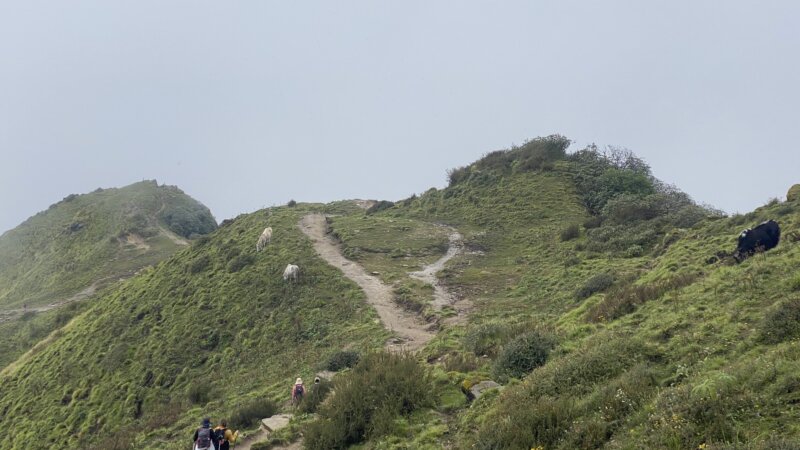
Mardi Himal Trek
Guided in small groups by attentive professionals 70 Reviews
in TripAdvisor
70 Reviews
in TripAdvisor


Mardi Himal Trek: Trip Overview
A quick summary of route, duration, altitude, and key logistics for the Mardi Himal Trek
-
Duration 8 Days
-
Trekking Days 6 Days
-
Max Altitude 4,500 m (Base Camp)
-
Group Size 2 – 15 Trekkers
-
Difficulty Moderate to Challenging (High-Altitude Trek)
-
Region Annapurna Region
-
Best Season March–May & September – November
-
Start/End Point Kathmandu / Kathmandu
-
Accommodation Hotel | Tea House trekking




About the Mardi Himal Trek
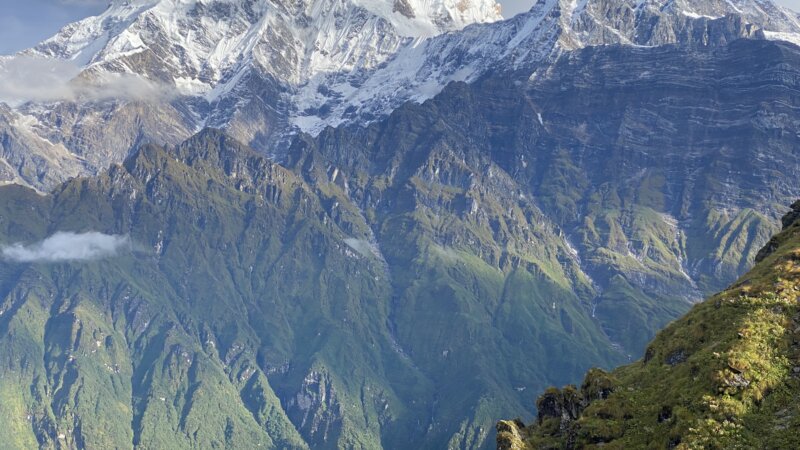
The Mardi Himal Trek is a scenic ridge-based trek in Nepal’s Annapurna region, starting from Kande or Phedi near Pokhara and climbing steadily to the Mardi Himal Upper Viewpoint and optional Mardi Himal Base Camp and descending toward Sidhing or Lumre. Unlike valley treks, the trail follows alpine ridges, moving from subtropical forest zones to open high-altitude terrain with constant mountain exposure. It’s a compact itinerary with big Himalayan rewards.
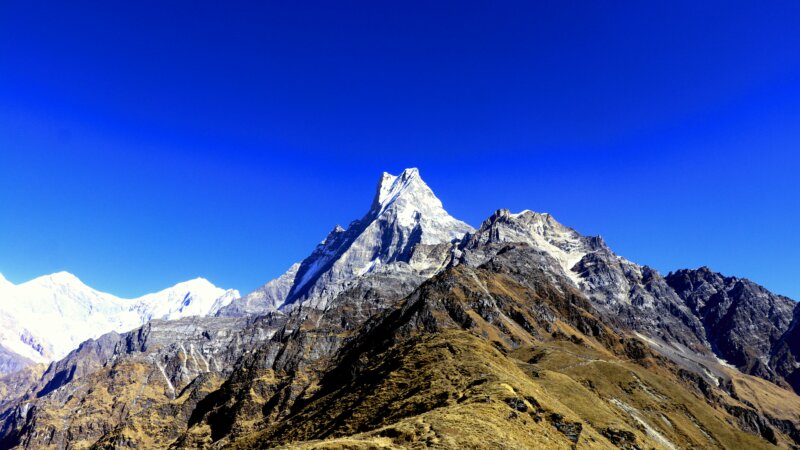
Often described as a hidden gem trek in Nepal, Mardi Himal Trek remains quieter than classic routes despite its dramatic views of Machapuchhre, Annapurna South, and Hiunchuli. The trail passes through rhododendron forests, Forest Camp, Low Camp, and High Camp, offering a feeling of remoteness without extreme technical difficulty. This balance makes it one of the best off-the-beaten-path treks near Pokhara.
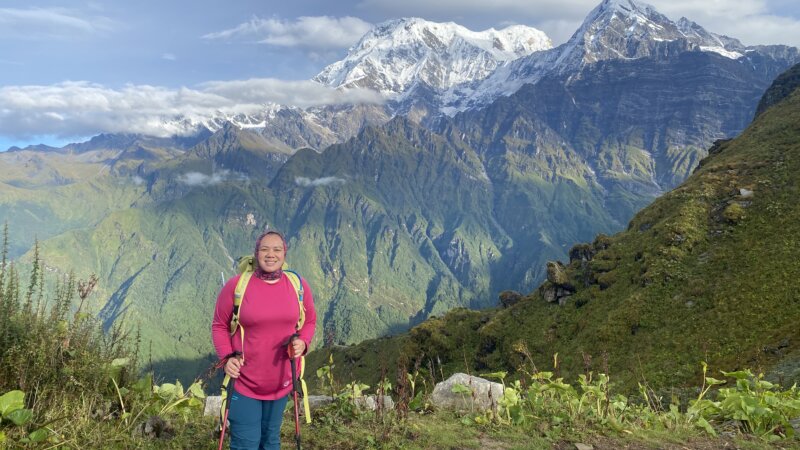
The trek suits first-time Himalayan trekkers, budget travelers, and photographers seeking less crowded treks in Nepal. Compared to the Annapurna Base Camp Trek, Mardi Himal is shorter, calmer, and more ridge-focused. Against Poon Hill, it’s longer and slightly more demanding, but far superior in altitude gain, alpine scenery, and overall trekking depth.
Mardi Himal Trek Itinerary (8 Days)
Show All
Day 01: Drive from Kathmandu to Pokhara
-
 Elevation: 822 m
 -
 Duration: ~6–7 hours
Day 02: Drive to Phedi & Trek to Deurali
-
Elevation: ~2,100 m
-
Duration: Drive: 1–1.5 hrs | Trek: 4–5 hrs
Day 03: Deurali to Forest Camp Trek
-
Elevation: ~2,520 m
-
Duration: 5–6 hours
Day 04: Forest Camp to High Camp (via Low Camp)
-
Elevation: 3,580 m
-
Duration: 5–6 hours
Day 05: Hike to Mardi Himal Viewpoint / Base Camp & Return to High Camp
-
Elevation: Highest Point: Upper Viewpoint ~4,500 m | Base Camp: ~4,250 m
-
Duration: 4–6 hours
Day 06: High Camp to Sidhing Village Trek
-
Elevation: ~1,780 m
-
Duration: 5–6 hours
Day 07: Trek to Lumre & Drive to Pokhara
-
Elevation: 885 m
-
Duration: Trek: 3–4 hours | Drive: 2–2.5 hours

Day 08: Drive from Pokhara to Kathmandu
-
Elevation: 1,350 m
-
Duration: 6–7 hours
Cost Includes and Excludes
-
 Kathmandu international airport Pick up and drop off
-
Two nights Hotel accommodation in Kathmandu with breakfast
-
A professional and responsible trekking guide during the trek
-
All Necessary Trekking permits and paper work
-
Accommodation in the tea house during the trek (twin sharing)
-
Three meal a day (Breakfast, Lunch and Dinner) during the trekking
-
All necessary ground transportation by private car/jeep/van
-
Kathmandu-Pokhara-Kathmandu both way tourist bus
-
Two night hotel in Pokhara with breakfast
-
 Personal expenses; hot shower, internet, battery charging
-
Any Kinds of drinks
-
Tip to the guide and porter
-
Travel insurance
This cost and inclusion are based on standard group bookings. If you are not satisfied with the itinerary or package includes details, please contact us, we are happy to customize the trek according to your preferences.
Mardi Himal Trek Route & Map
The Mardi Himal Trek follows a narrow, ridge-based route on the eastern side of the Annapurna region, beginning near Pokhara and ending in the lower Modi Khola Valley. The trail climbs steadily from Phedi or Kande through forested spurs of the Annapurna range before reaching high alpine ridgelines below Machapuchhre and Mardi Himal.
"Mardi Himal trek route map showing the ascent from Phedi/Kande through Forest Camp, Low Camp, and High Camp, with the final ridge hike to the Mardi Himal Upper Viewpoint and optional Base Camp, followed by the descent to Sidhing."
The map clearly illustrates the gradual elevation gain, ridge-focused trail layout, and key transition points from subtropical forest to open alpine terrain. Common variations include starting from Kande via Australian Camp or combining the route with extensions toward Sidhing, making this one of the best less-crowded trekking routes near Pokhara.
Altitude & Acclimatization on Mardi Himal Trek
Altitude management is a key factor for a safe and enjoyable Mardi Himal Trek, especially as the trail rises from subtropical forests at Phedi (~2,100 m) to the Upper Viewpoint (~4,500 m). Though non-technical, the trek’s gradual ridge ascent and high-altitude overnight stay at High Camp (3,580 m) make pacing and acclimatization critical.
Highest Hiking & Overnight Points
- Upper Viewpoint: ~4,500 m, the highest point of the trek
- Mardi Himal Base Camp (optional): ~4,200–4,250 m
- High Camp: highest overnight stop at 3,580 m
These elevations allow trekkers to experience stunning Himalayan panoramas while providing a manageable altitude gain pattern for safe acclimatization.
Importance of Pacing & Hydration
Maintaining a steady pace and proper hydration is essential on the Mardi Trek. Trekkers are advised to:
- Walk at a comfortable, consistent speed, following the “bistari, bistari” (slowly, slowly) approach.
- Take short breaks at scenic viewpoints and ridges to reduce fatigue.
- Drink water frequently and eat enough calories to support energy levels.
Although our standard itinerary doesn’t include any acclimatization days, we highly recommend one stop at Forest Camp or High Camp to minimize the risk of altitude-related problems.
Common Altitude Symptoms & Prevention
Early symptoms of acute mountain sickness (AMS) may include headache, nausea, dizziness, fatigue, or insomnia.
Preventive measures include:
- Gradual ascent along the ridge
- Adequate hydration and balanced meals
- Avoid overexertion, especially near High Camp
- Immediate descent if symptoms worsen
Observing these precautions and listening to your body ensures a safer and more enjoyable trek at high altitude.
Role of Licensed Guides
Professional guides help to:
- Monitor signs of altitude sickness
- Control pacing and rest breaks
- Adjust trekking plans based on weather or physical condition
- Coordinate emergency evacuation if needed
With trained guides managing safety, pacing, and altitude risks, trekkers can focus on the journey and views, confident that expert support is always available.
Altitude gain on Mardi Himal is moderate but can affect any trekker. Following steady pacing, hydration, and guidance from trained professionals ensures a safe, enjoyable trek to the Upper Viewpoint and Base Camp, letting you focus on the scenery and experience.
Culture, Villages & Local Life
Despite its proximity to Pokhara, the Mardi Trek passes through traditional Gurung villages where rural life remains closely tied to farming, livestock, and seasonal mountain rhythms. Settlements along the lower trail reflect a slower pace of life shaped by terraced agriculture and close community bonds.
As the trail gains altitude, cultural influences shift subtly, with Buddhist elements visible in prayer flags, mani walls, and mountain rituals practiced in higher camps. Simple teahouses and community lodges provide insight into local hospitality, where trekkers interact directly with families who depend on trekking tourism.
Staying in these lodges supports community-based tourism while offering an authentic window into everyday life in the Annapurna foothills, one of the understated cultural rewards of the Mardi Himal route.
Accommodation & Food Along the Trail
The Mardi Himal Trek follows a classic teahouse trekking model, with simple lodges spaced along the ridge route from lower villages to High Camp. At lower elevations like Deurali and Forest Camp, rooms are basic but comfortable, usually twin-share with shared toilets. As altitude increases, amenities become more limited, reflecting the remoteness of the trail.
Food is freshly prepared in teahouse kitchens and designed to sustain steady walking days. Dal Bhat, noodles, soups, potatoes, and rice-based meals are widely available, while menus narrow at higher camps due to transport constraints. Prices rise with altitude, and vegetarian meals are recommended for hygiene and digestion. Food and accommodation standards are simpler at higher camps, which is why guided planning helps manage expectations and comfort.
Flora, Fauna & Conservation Areas
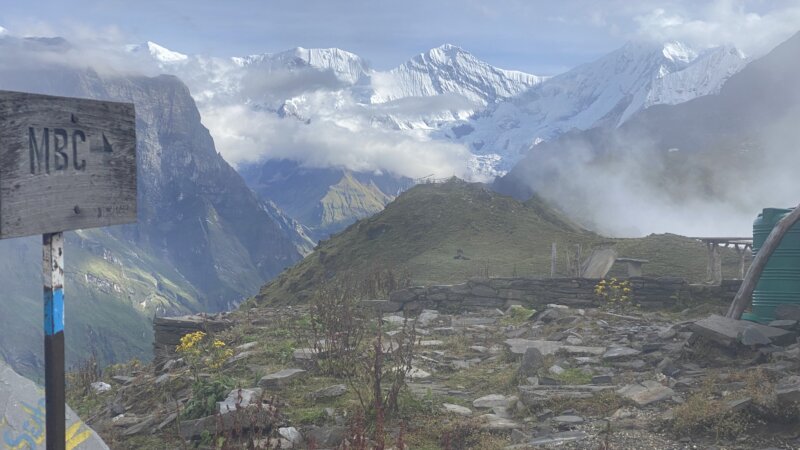
The Mardi Himal Trek lies entirely within the Annapurna Conservation Area (ACAP), a protected region known for its ecological diversity. The trail passes through distinct forest zones, beginning with subtropical forests near Phedi, dense rhododendron and oak woodlands around Forest Camp, and transitioning into alpine grasslands near High Camp.
Wildlife sightings may include Himalayan monal, pheasants, langurs, and occasional mountain goats, while vegetation changes noticeably with altitude. Responsible trekking is essential in this eco-sensitive area, staying on marked trails, minimizing waste, and respecting wildlife support long-term conservation. These eco-tourism principles help preserve fragile mountain ecosystems while sustaining local communities along the Mardi Himal route.
Is the Mardi Himal Trek Suitable for Beginners?
Yes, the Mardi Himal Trek is an excellent choice for beginners who are reasonably fit and prepare well. It remains one of the Annapurna region's most accessible routes due to its gradual ridge-line ascent and manageable daily hiking distances. Since the trail requires no technical climbing or specialized mountaineering skills, it offers a straightforward yet rewarding introduction to Himalayan trekking.
- Fitness Requirements: As a beginner, you should be able to walk for 4 to 6 hours a day on rocky paths and steady inclines for several days in a row.
- Prior Trekking Experience: You don't need to be an expert mountain climber. If you’ve spent time walking up hills or hiking for a few days, you will be well-prepared.
- Family-Friendly Assessment: This trip is good for fit adults and older teens. It is not recommended for young children because of the high mountain air and the long, steep walk down.
- Preparation Tips for First-Time Trekkers:
- Get Fit: Do some basic cardio exercise and leg workouts for 4–6 weeks
- Take Your Time: Pack only what you need and walk slowly
- Get Help: Trek with a certified guide for the best safety and support
Why Choose a Licensed Agency for Mardi Himal Trek
While the Mardi Himal trek is a bit shorter and easier than other big Himalayan routes, getting it right still matters a lot! A good, licensed trekking agency takes care of the tricky stuff, such as permits, pacing, local know-how, so you can just relax and enjoy the stunning views safely and comfortably.
Legal Compliance
Although the route is open to individual trekkers, licensed agencies take care of:
- ACAP permit and TIMS card processing
- Verification at trail checkpoints and access points
- Alignment with current trekking regulations and local guidelines
Safety & Logistics Advantages
Working with a professional team provides:
- Structured daily pacing and altitude monitoring
- Coordinated transportation between Kathmandu, Pokhara, and trailheads
- Clear emergency response planning, including evacuation support if required
Local Expertise & Sustainability
Experienced local guides offer:
- In-depth knowledge of Mardi Himal routes and side trails
- Cultural insight into Gurung villages and mountain communities
- Support for community lodges and responsible teahouse trekking practices
Better Route Planning & Weather Decisions
Himalayan weather can shift quickly along Mardi Himal’s exposed ridges. Licensed agencies continuously assess conditions, adjust start times or routes when needed, and help maximize safety, visibility, and overall trekking quality.
Plan and Book Your Mardi Himal Trek with Proven Expertise
Trek Mardi Himal with a licensed Nepal-based team trusted for precise planning, experienced mountain guides, and responsible operations. From permits to pacing, every detail is handled professionally, so you focus on the trail, the views, and a smooth, well-managed Himalayan trekking experience.
Ready to start? Request a custom Mardi Himal itinerary, send an inquiry, or connect with our team for quick answers. Get transparent pricing, honest route advice, and expert support from booking to completion, backed by years of guiding experience in the Annapurna region.


Mardi Himal Trek FAQs
Find answers to the most common questions about the Mardi Himal Trek, including permits, itinerary, cost, and difficulty.
How many days are ideal for the Mardi Himal Trek?
The ideal number of days for the Mardi Himal Trek is 7–9 days, including travel. This duration allows proper acclimatization, a sunrise hike to the Mardi Himal Viewpoint, and a relaxed itinerary without rushing high-altitude sections.
Is it possible to do the Mardi Himal Trek without a guide?
Yes, it is possible to do the Mardi Himal Trek without a guide because it is not a restricted area. However, doing this trek without a guide requires route awareness, altitude management, and self-handled permits and logistics.
How cold does it get at High Camp and Mardi Himal Viewpoint?
At High Camp and the Mardi Himal Viewpoint, temperatures can drop to –5°C to –10°C at night. Cold conditions at High Camp and the Mardi Himal Viewpoint are common due to wind exposure and early-morning sunrise hikes.
Is Mardi Himal Trek safe for solo trekkers?
The Mardi Himal Trek is generally safe for solo trekkers, especially in peak seasons. However, safety for solo trekkers depends on weather, navigation skills, altitude awareness, and comfort walking isolated ridge sections above Forest Camp.
Are there ATMs, charging points, or Wi-Fi along the Mardi Himal trail?
No, there are no ATMs along the Mardi Himal trail. Charging points and Wi-Fi are available at some teahouses below High Camp, but connectivity along the Mardi Himal trail is limited and unreliable at higher elevations.
Can the Mardi Himal Trek be combined with other short treks?
Yes, the Mardi Himal Trek can be combined with other short treks such as Khopra Danda or Poon Hill. Combining this itinerary with nearby routes extends trekking days and adds cultural and landscape variety within the Annapurna region.
How crowded is the Mardi Himal Trek compared to Annapurna Base Camp?
The Mardi Himal Trek is far less crowded than the Annapurna Base Camp Trek. Compared to Annapurna Base Camp, this route offers quieter trails, fewer teahouses, and a more off-the-beaten-path trekking experience.
Is travel insurance mandatory for the Mardi Himal Trek?
Yes, travel insurance is mandatory for the Mardi Himal Trek. Insurance for the Mardi Himal Trek should cover high-altitude trekking, emergency medical care, and helicopter evacuation, especially for sections above High Camp and the Mardi Himal Viewpoint.
What is the best starting point: Kande, Phedi, or Lumre?
The best starting point for the Mardi Trek depends on itinerary length. Phedi or Kande are ideal for gradual ascent, while Lumre is best for a shorter Mardi Himal Trek itinerary with faster access to lower trail sections.
Can weather conditions change the Mardi Himal Trek itinerary?
Yes, weather conditions can change the Mardi Himal Trek itinerary. Sudden cloud cover, snowfall, or wind along exposed ridges may delay the Mardi Himal Viewpoint hike or require route and schedule adjustments for safety.