
Langtang Valley Trek | 8 Days Itinerary
 70 Reviews
in TripAdvisor
70 Reviews
in TripAdvisor


Langtang Valley Trek Overview
Essential details of Langtang Trek covering trek duration, altitude, region, tea house stays & season
-
Duration 08 Days
-
Trekking Days 06 Days
-
Max Altitude 5,033 m (Tserko Ri)
-
Group Size 2 – 10 Trekkers
-
Difficulty Moderate to Challenging (High-Altitude Trek)
-
Region Langtang Conservation Area, Nepal
-
Best Season March–May & September – November
-
Start/End Point Kathmandu / Kathmandu
-
Accommodation Hotel | Tea House trekking




About the Langtang Valley Trek
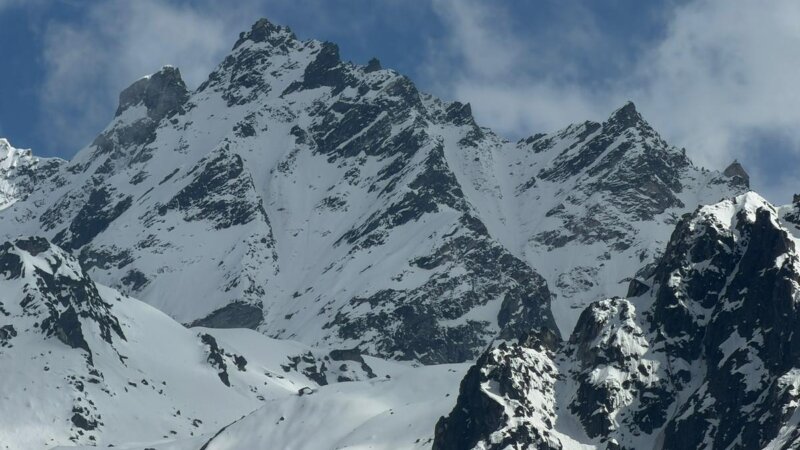
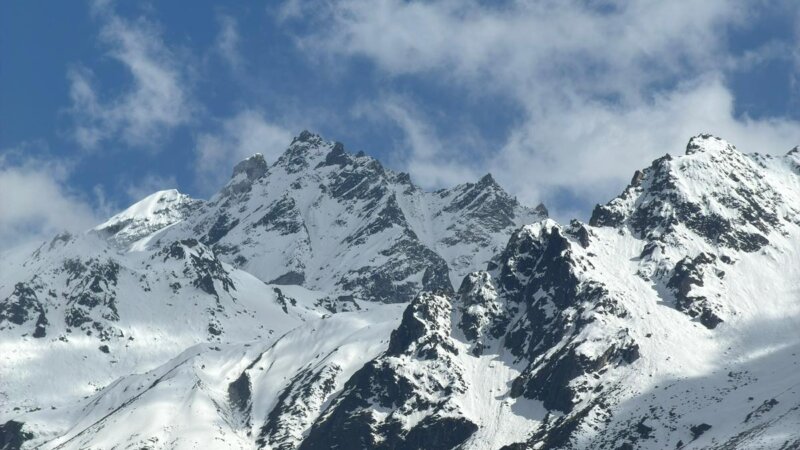
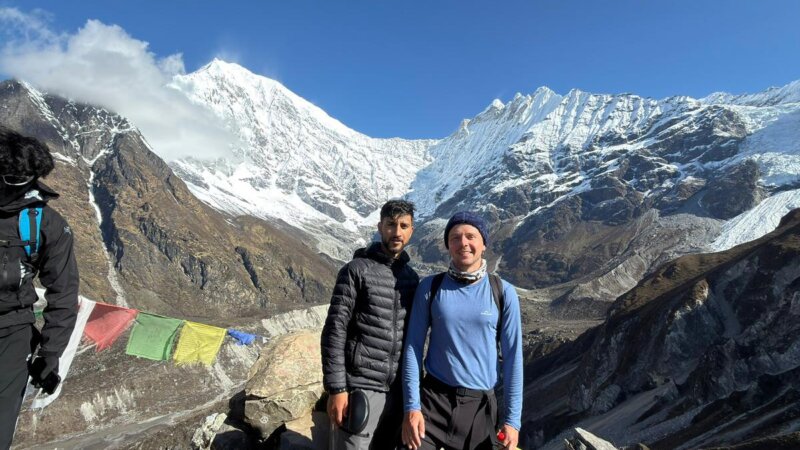
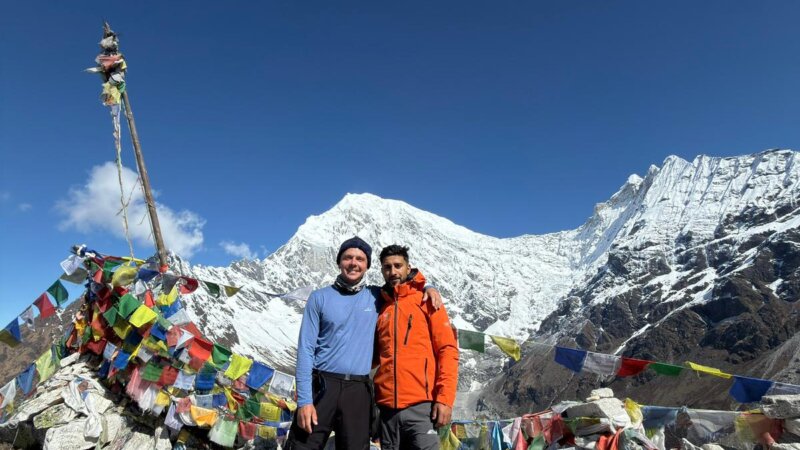
The Langtang Valley Trek follows a simple valley corridor deep into the Himalaya, moving steadily inward and returning along the same trail. Located in the Langtang region north of Kathmandu, this journey stays within a single mountain landscape rather than linking multiple routes. Its road-based access via Syabrubesi eliminates the need for domestic flights while retaining strong alpine scenery.
The trek is popular for delivering high scenic density. In just a few days, the trail transitions from forests to open alpine ground, offering the feel of a scenic valley trek without extended commitment. Cultural immersion is a defining element, with the Tamang community shaping daily life along the trail through villages and monasteries. This balance of mountain landscapes and living culture defines the overall Langtang valley hiking experience.
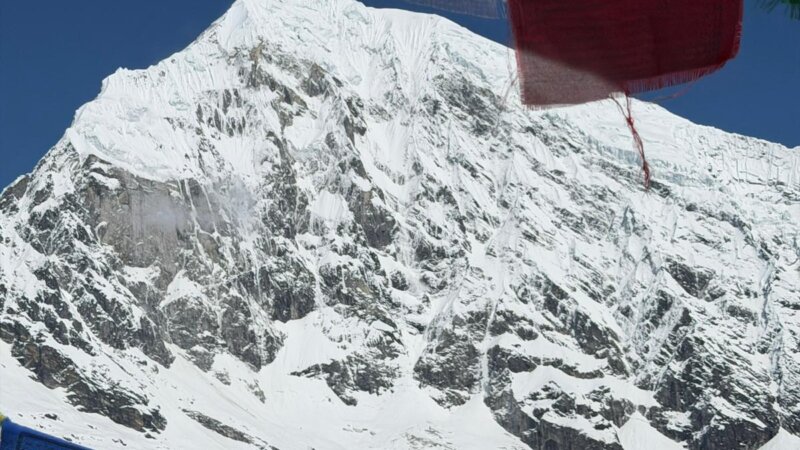
This trek appeals strongly to first-time Himalayan trekkers, moderately fit hikers, and travelers working within limited schedules. Compared with Mardi Himal, the route remains valley-based with gentler gradients and steadier pacing. Against Annapurna Base Camp, altitude pressure and crowd intensity are lower. With gradual elevation gain, teahouse-based trekking and close-up views of Langtang Lirung and surrounding peaks, it fits the profile of a moderate altitude trek in Nepal built around comfort and consistency.
Langtang Valley Trek Itinerary (8 Days)
Show All
Day 1: Drive from Kathmandu to Syabrubesi
-
 Elevation: ~1,550 m
 -
 Duration: 7–8 hours
Day 02: Trek from Syabrubesi to Lama Hotel
-
Elevation: ~2,380 m
-
Duration: ~6 hours
Day 03: Lama Hotel to Mundu via Langtang Village
-
Elevation: ~3,543 m
-
Duration: 6-7 hours
Day 04: Mundu to Kyanjin Gompa
-
Elevation: ~3,870 m
-
Duration: 4–5 hours
Day 05: Acclimatization Day: Explore Tserko Ri
-
Elevation: ~5,000 m (Tserko Ri – day hike)
-
Duration: 5-7 hours
Day 06: Kyanjin Gompa to Lama Hotel
-
Elevation: ~2,380 m
-
Duration: 6-7 hours
Day 07: Lama Hotel to Syabrubesi Hike
-
Elevation: ~1,550 m
-
Duration: 4-5 hours

Day 08: Drive from Syabrubesi to Kathmandu
-
Elevation: ~1,350 m
-
Duration: 6–8 hours
Route Overview, Trail Map & Key Landmarks
The Langtang Valley Trek follows a classic out-and-back route north of Kathmandu, entering the valley from Syabrubesi and progressing steadily toward Kyanjin Gompa. The trail moves through river corridors, forested slopes, and open alpine basins, with settlements spaced logically for acclimatization and overnight stops.
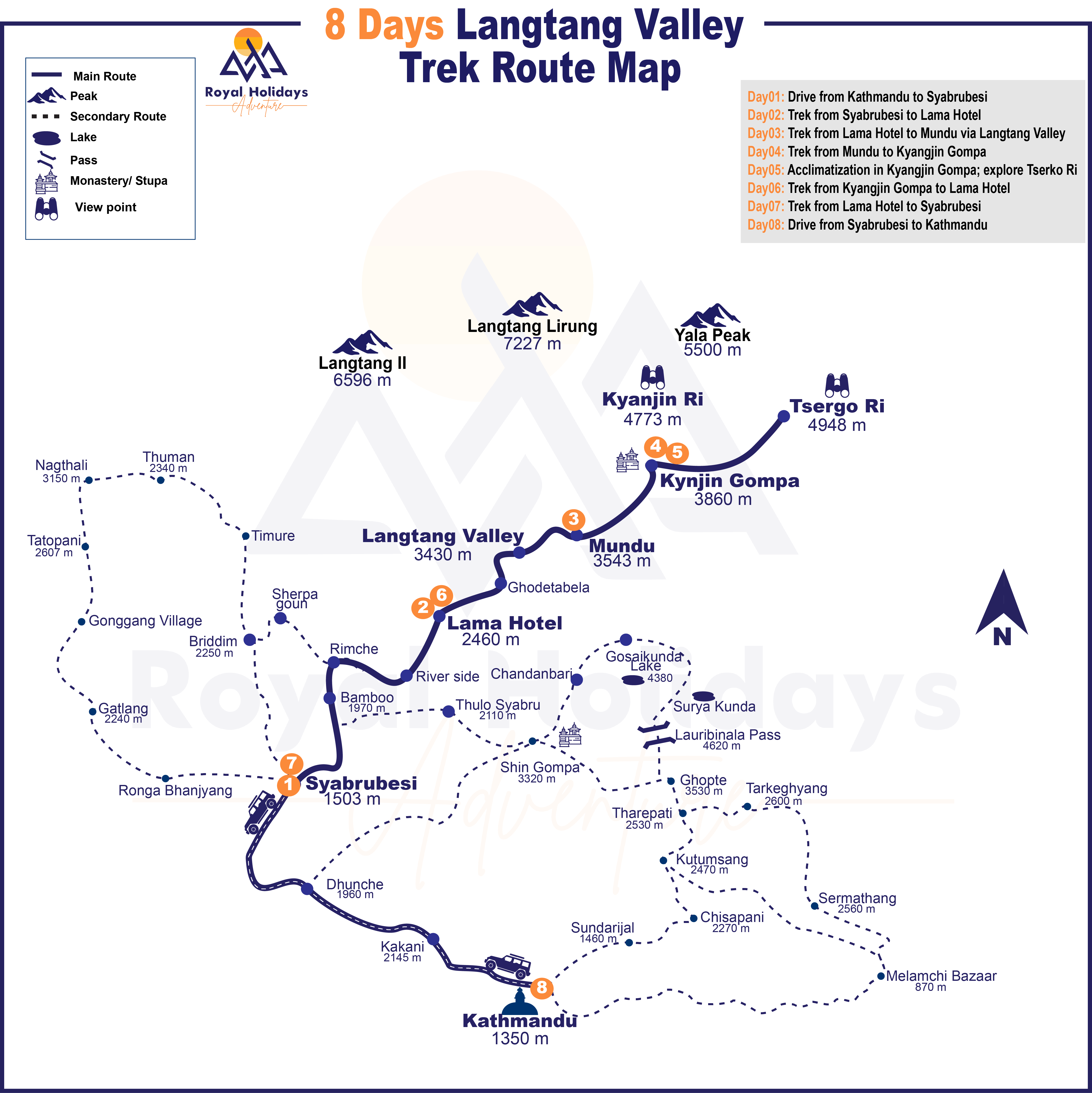
Map showing the trekking route from Syabrubesi through Lama Hotel, Langtang Village, Mundu, and Kyanjin Gompa, including major landmarks, side valleys, and elevation progression.
This route map helps trekkers visualize daily distances, altitude changes, and village spacing. It supports itinerary planning, pacing decisions, and understanding how the trail moves deeper into the Langtang Valley before retracing the same path back.
Cost Includes and Excludes
-
 Kathmandu international airport Pick up and drop off
-
Two nights Hotel accommodation in Kathmandu with breakfast
-
A professional and responsible trekking guide during the trek
-
All Necessary Trekking permits and paper work
-
Accommodation in the tea house during the trek (twin sharing)
-
Three meal a day (Breakfast, Lunch and Dinner) during the trekking
-
Trekking route map, duffel bag and water purification tablet
-
All Necessary ground Transportation by public bus and sharing jeep
-
seasonal fruit salad during the trek as per availability
-
 Any Kinds of drinks
-
Personal expenses; hot shower, internet, battery charging
-
Tip to the guide and porter
-
Travel insurance
This cost and inclusion are based on standard group bookings. If you are not satisfied with the itinerary or package includes details, please contact us, we are happy to customize the trek according to your preferences.
Altitude & Acclimatization Strategy
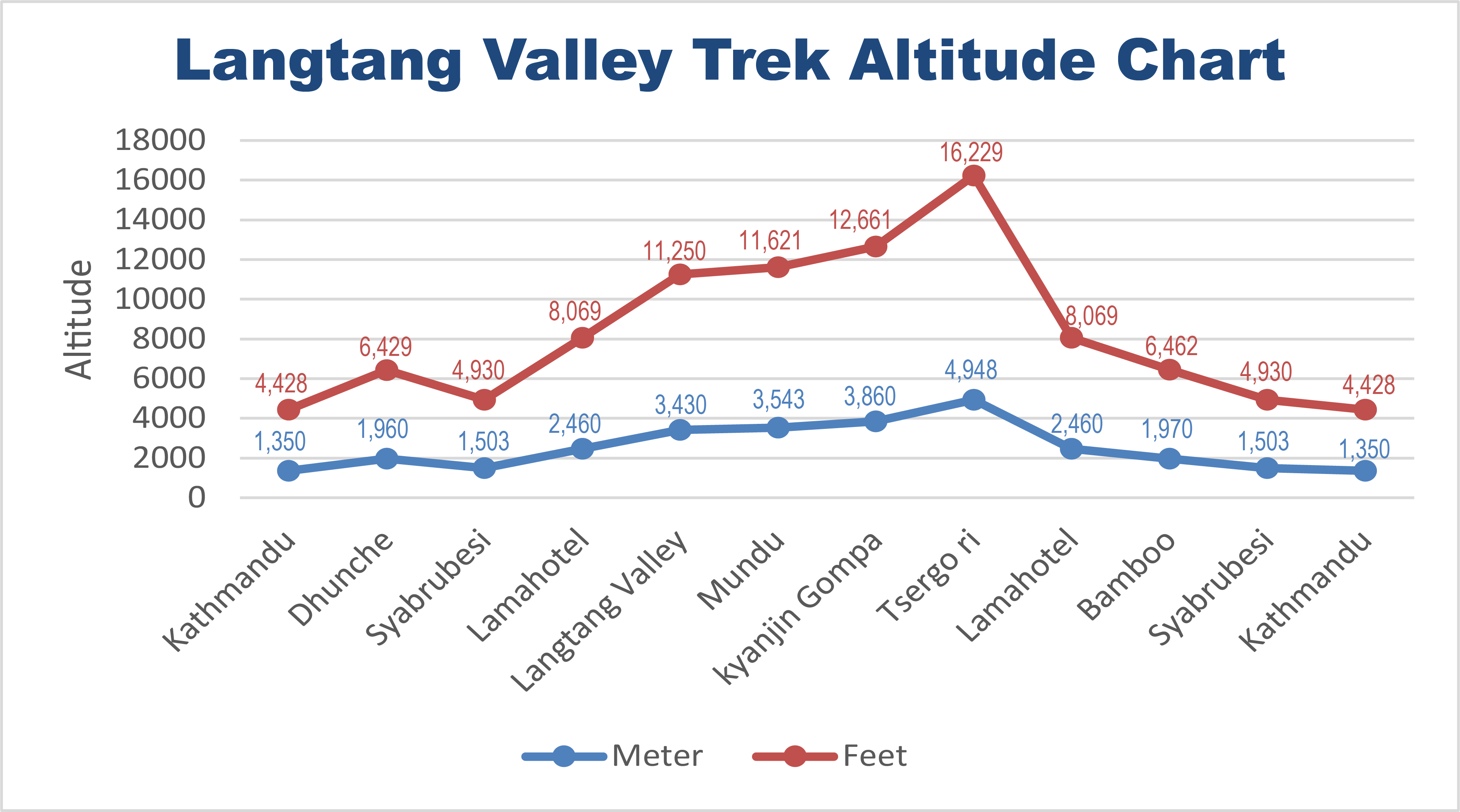
Altitude on the Langtang region trek increases steadily as the trail follows a single Himalayan valley. A structured ascent and planned acclimatization day help the body adapt safely.
Maximum Sleeping Altitude
The highest overnight stay on the trek is at Kyanjin Gompa, located at approximately 3,870 m. Sleeping at this elevation allows trekkers to experience high-altitude conditions without prolonged exposure above 4,000 m. Day hikes above this level are optional and designed to support acclimatization rather than increase sleeping altitude risk.
Gradual Ascent Profile
The itinerary is designed to limit sudden altitude jumps.
- Low elevation start at Syabrubesi
- Progressive gain through Lama Hotel and Mundu
- One short ascent day to Kyanjin Gompa
- Acclimatization day before descent
This structure supports safer adaptation throughout the trek.
Common Altitude Sickness Symptoms
Altitude-related discomfort can appear as elevation increases.
Common symptoms include:
- Headache or dizziness
- Loss of appetite
- Nausea or mild fatigue
- Shortness of breath
- Difficulty sleeping
Recognizing early signs is essential for safe trekking.
Prevention & Mitigation
Simple habits reduce altitude-related risks.
Key prevention measures include:
- Slow and steady walking pace
- Adequate hydration
- Avoiding alcohol at altitude
- Eating light, regular meals
- Taking rest days seriously
Descending early remains the most effective response if symptoms worsen.
Role of Guides and Pacing
Experienced guides play a central role in altitude safety.
They help by:
- Setting realistic daily walking speeds
- Monitoring physical condition regularly
- Adjusting overnight stops if needed
- Encouraging hydration and rest
- Identifying early altitude symptoms
- Coordinating emergency responses
Proper pacing turns altitude into a manageable factor rather than a barrier.
The Langtang Valley Trek reaches high elevation without extreme exposure. Its valley-based route, moderate sleeping altitudes, and built-in acclimatization day create a stable environment for adjustment. With attentive pacing and experienced guidance, altitude remains a controlled challenge throughout the journey.
Villages, Cultural Heritage & Local Life on the Trail
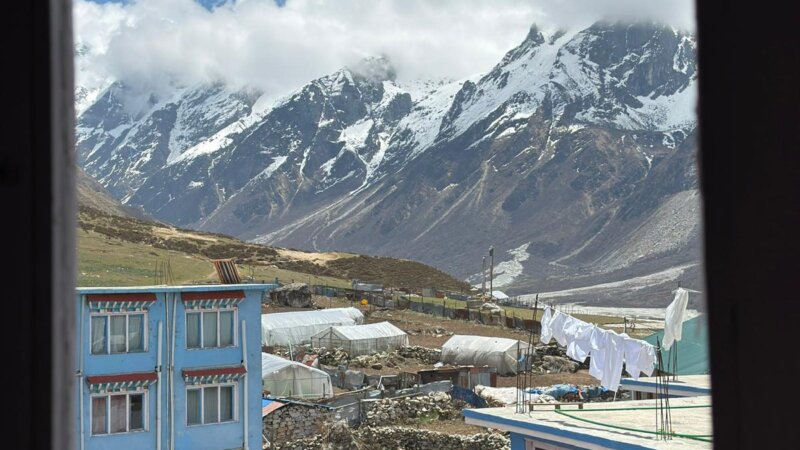
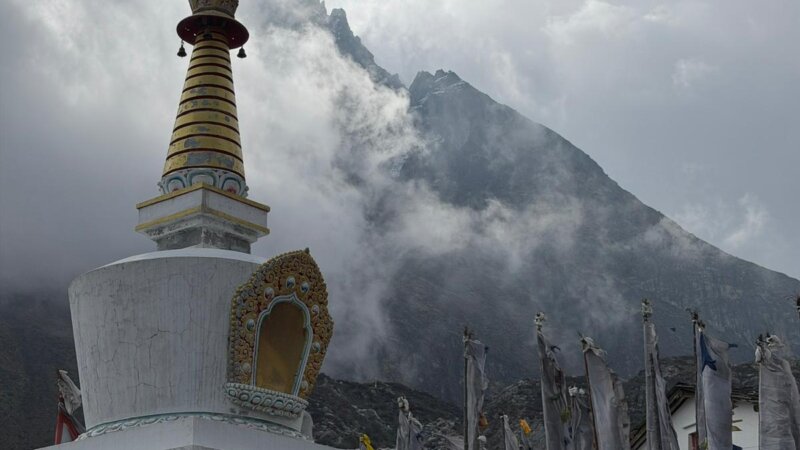
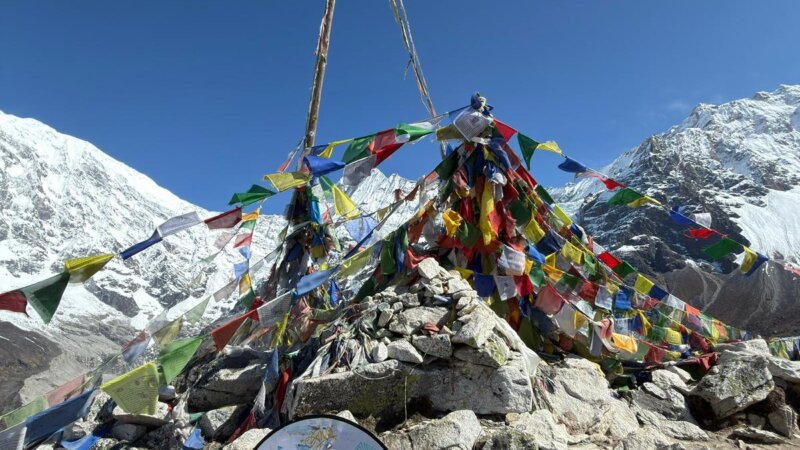
Villages along the route reflect a blend of Tibetan-influenced mountain culture and traditional Himalayan lifestyles. Communities depend on seasonal trekking, yak herding, and small-scale farming. Stone houses, prayer flags, and mani walls appear frequently, reinforcing the spiritual identity of the valley.
Settlements such as Mundu and Ghoda Tabela mark important transition points between forested terrain and open valley landscapes. Daily life unfolds inside tea houses, where trekkers interact with locals over meals, observe routines shaped by altitude, and experience a slower, community-centered rhythm.
Natural Landscape, Wildlife & Conservation Practices
The trail passes through changing vegetation zones, beginning with subtropical forests and gradually transitioning into alpine terrain. Pine, oak, and rhododendron forests dominate lower sections, while upper valleys open into grasslands, glacial moraines, and high mountain backdrops.
Wildlife sightings may include Himalayan birds and small mammals, though encounters are unpredictable. Responsible trekking practices are essential, including waste management, staying on marked trails, and respecting protected areas within the Langtang region to support long-term eco-tourism sustainability.
Is the Langtang Valley Trek Suitable for Beginners?
The Langtang Valley Trek is widely considered beginner-friendly due to its gradual ascent, manageable daily distances, and consistent lodge support, making it suitable for trekkers with basic fitness and preparation.
- Fitness expectations: Moderate cardiovascular fitness is sufficient. Regular walking, stair climbing, or hiking preparation helps handle daily trekking hours comfortably.
- Prior trekking experience: No technical experience is required. Previous hiking experience is helpful but not mandatory for completion.
- Preparation tips:
- Practice walking with a daypack
- Break in trekking boots early
- Learn basic altitude awareness
- Stay hydrated during training
- Build slow, steady endurance
- Common beginner mistakes: Overpacking and walking too fast are common issues. Proper pacing and rest significantly improve the trekking experience.
Why Choose a Licensed Agency for Langtang Valley Trek?
Choosing a licensed local operator improves safety, ensures legal compliance, and enhances overall trekking quality through professional planning and regional knowledge.
Legal Requirements
Licensed operators ensure compliance with trekking regulations.
- Valid permits arranged correctly
- Government-registered guides
- Updated route permissions
- Local authority coordination
- Regulatory compliance assurance
Safety Implications
Professional support reduces trekking risks.
- Structured pacing strategies
- Altitude monitoring
- Emergency response planning
- Risk-aware decision making
- On-trail supervision
Local Expertise
Local teams add contextual depth to the trek.
- Accurate route knowledge
- Cultural interpretation
- Weather-aware adjustments
- Village-level coordination
- Real-time trail decisions
Ethical & Sustainable Tourism
Responsible operators support long-term sustainability.
- Fair wages for local staff
- Community-based services
- Environmentally responsible practices
- Respect for local culture
- Support for regional economies
Book a Professionally Supported Langtang Valley Trek in Nepal
Trek the Langtang Valley with a fully supported team that understands the terrain, altitude, and local culture. Our licensed guides, flexible pacing, and well-planned logistics ensure safety, comfort, and authentic village experiences throughout the Langtang region, from Syabrubesi to Kyanjin Gompa.
Choose a professionally organized Langtang Valley Trek with transparent pricing, reliable support, and local expertise on every day of the trail. Check availability today or book your Langtang Valley Trek now to secure experienced guides, permits, and handpicked tea houses.

Langtang Valley Trek | 8 Days Itinerary FAQs
Find answers to the most common questions about the Langtang Valley Trek | 8 Days Itinerary, including permits, itinerary, cost, and difficulty.
How cold does it get at night in Langtang Valley during peak trekking seasons?
Night temperatures in Langtang Valley during peak trekking seasons drop significantly, often reaching below freezing at higher villages. In Langtang Valley, nights are cold enough for warm clothing, blankets, and insulated sleeping bags, making preparation essential for trekking comfort.
Is drinking water easily available on the Langtang Valley trekking route?
Yes, drinking water is available along the Langtang Valley trekking route at most tea houses and lodges. While water is generally safe, it is recommended to purify drinking water on the Langtang Valley trekking route to stay healthy throughout the trek.
How reliable is mobile network coverage in the Langtang Valley region?
Mobile network coverage in the Langtang Valley region is limited beyond major villages. While some coverage exists near Syabrubesi and Lama Hotel, mobile network coverage in the Langtang Valley region remains weak, and internet access is inconsistent during trekking.
What happens if the road to Syabrubesi is blocked due to landslides?
If the road to Syabrubesi is blocked due to landslides, trekkers must wait or reroute using alternative roads. Landslides can delay travel, and what happens if the road to Syabrubesi is blocked may include longer travel times or overnight stops in nearby villages.
How much cash should I carry for personal expenses during the trek?
Carry NPR 20,000–25,000 for personal expenses during the trek. You should carry this cash for snacks and showers. Since ATMs are unavailable, plan how much cash is needed before starting your trek.
Are hot showers available throughout the Langtang Valley Trek?
Yes, hot showers are available in many lodges. While you can find a hot shower easily, availability throughout the Langtang Valley Trek at higher altitudes is limited. Some spots offer a hot shower for a small fee.
Is it possible to shorten the Langtang Valley Trek if needed?
Yes, it is possible to shorten the Langtang Valley Trek if needed by skipping side hikes or returning early from certain villages. The Langtang Valley Trek allows adjustments, so trekkers can reduce duration without missing the main highlights of the valley.
Are children or teenagers allowed on the Langtang Valley Trek?
Yes, children or teenagers are allowed on the Langtang Valley Trek under adult supervision. It depends on their fitness and ability to handle altitude, with steady pacing recommended for a safe experience.
Do tea houses accept digital payments or only cash?
Most tea houses accept only cash because connections are poor. Since tea houses rarely accept digital payments, you must carry cash. Whether they take digital payments or only cash depends on the specific village’s network coverage.
How early should I book the Langtang Valley Trek during peak season?
You should book the Langtang Valley Trek at least 4–6 weeks early. To book the trek during peak season, plan ahead for guides and permits. Knowing how early to book ensures you secure your preferred dates.