
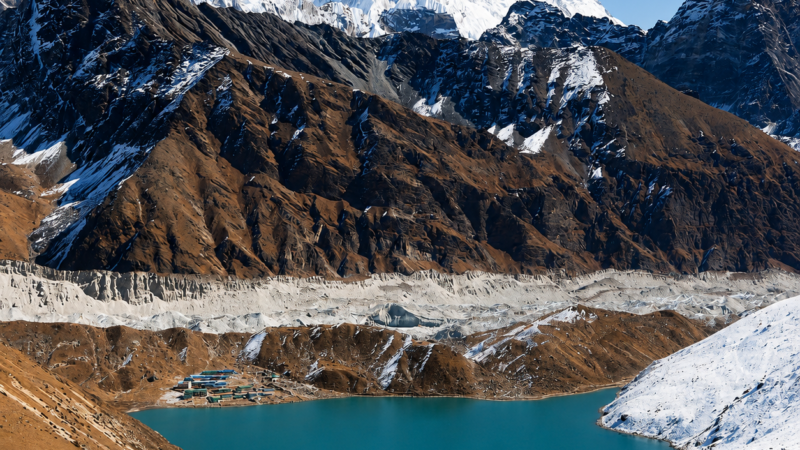
Everest High Passes Trek | 17 Days Three Pass Trek
perated by experienced mountain professionals for the demanding Everest Three Passes crossings 70 Reviews
in TripAdvisor
70 Reviews
in TripAdvisor


Everest High Passes Trek: Essential Overview
Key trip facts covering duration, altitude, difficulty level, logistics, and ideal seasons
-
Duration 17 Days
-
Trekking Days 15 Days
-
Max Altitude 5,545 m (Kala Patthar)
-
Group Size 2 – 10 Trekkers
-
Difficulty Strenous/Demanding
-
Region Khumbu region
-
Best Season March–May & September – November
-
Start/End Point Kathmandu / Kathmandu
-
Accommodation Hotel | Tea House trekking




About the Everest High Passes Trek
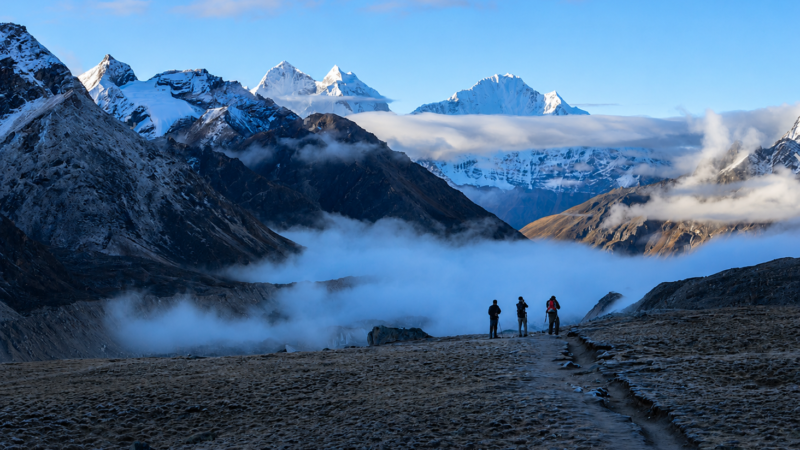
The Everest High Passes Trek, also known as the Everest three passes trek, is a tough circuit that goes over the Kongma La Pass, Cho La Pass, and Renjo La Pass. It explores the upper Everest region on quiet trails and visits famous spots like Everest Base Camp. This is a real high-mountain expedition for those who want more than a standard lodge trek.
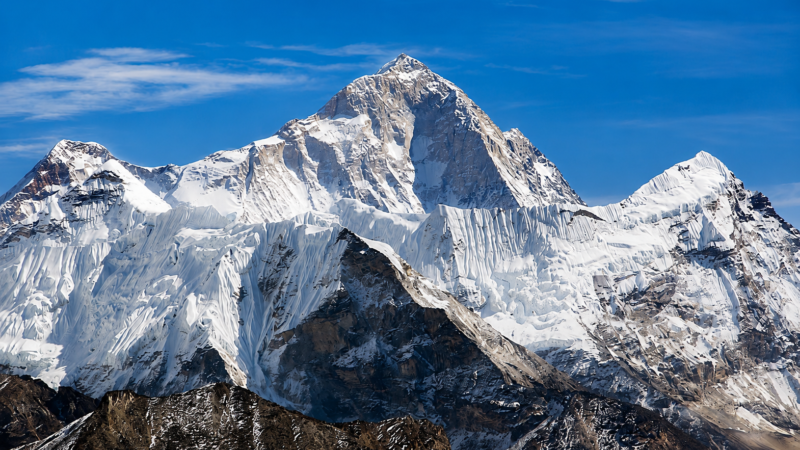
People love this trip because it offers a full Everest region trekking adventure. You will enjoy trekking beyond Everest base camp, crossing a dramatic glacier terrain, and seeing panoramic Himalayan views in peaceful areas. Known as one of the most challenging treks in Everest Nepal, it is perfect for seasoned hikers looking for a big goal.
This route is for experienced trekkers who can handle altitude and long days. It is much bigger than a typical 12 Days EBC Trek itinerary, giving you a deep high passes trekking experience in the remote valleys of the Khumbu region. As one of Nepal’s flagship treks, it is harder and more complete than almost any other trail.
Everest High Passes Trek Itinerary (Day-by-Day)
Show All
Day 01: Fly from Kathmandu to Lukla and trek to Phakding
-
 Elevation: ~2,610 m
 -
 Duration: 3–4 hours trekking
Day 02: Trek from Phakding to Namche Bazaar
-
Elevation: ~3,440 m
-
Duration: 6–7 hours
Day 03: Acclimatization Day - Namche Bazaar
-
Elevation: ~3,880 m
-
Duration: 3–4 hours (optional hikes)
Day 04: Namche Bazaar to Tengboche
-
Elevation: ~3,860 m
-
Duration: 5–6 hours
Day 05: Tengboche to Dingboche
-
Elevation: ~4,410 m
-
Duration: 5–6 hours
Day 06: Dingboche: Acclimatization and rest
-
Elevation: ~5,083 m (Nangkartshang Peak)
-
Duration: 4–5 hours (optional hikes)
Day 07: Trek from Dingboche to Chhukung, climb Chhukung Ri
-
Elevation: ~5,550 m (Chhukung Ri)
-
Duration: 6-7 hours
Day 08: Chhukung to Lobuche via Kongma La Pass
-
Elevation: ~5,535 m (Kongma La Pass)
-
Duration: 7–8 hours
Day 09: Lobuche to Gorak Shep, visit Everest Base Camp
-
Elevation: ~5,364 m (Everest Base Camp)
-
Duration: 5–6 hours
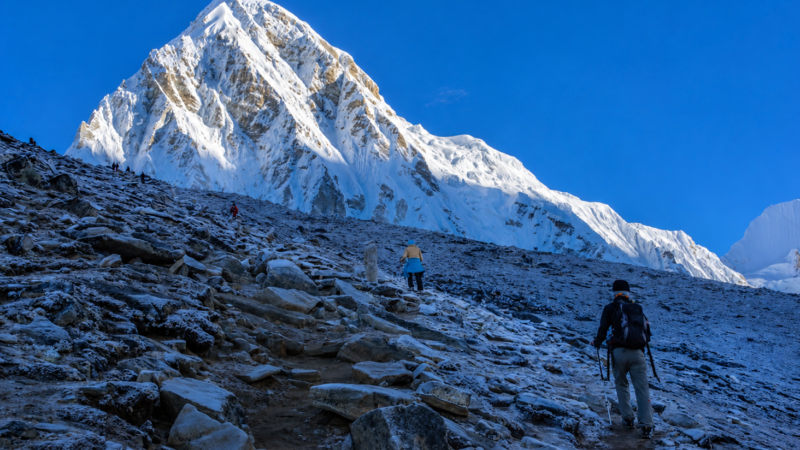
Day 10: Gorak Shep to Kala Patthar, back to Lobuche
-
Elevation: ~5,545 m (Kala Patthar)
-
Duration: 7–8 hours
Day 11: Trek from Lobuche to Dzongla
-
Elevation: ~4,830 m
-
Duration: 6–7 hours
Day 12: Dzongla to Gokyo via Cho La Pass
-
Elevation: ~5,420 m (Cho La Pass)
-
Duration: 8–9 hours
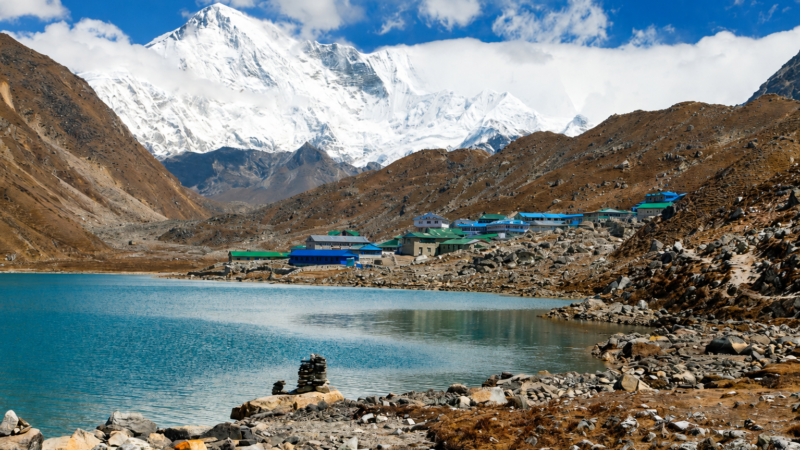
Day 13: Acclimatization in Gokyo: Climb Gokyo Ri, tour 4th & 5th Gokyo Lakes
-
Elevation: ~5,357 m (Gokyo Ri)
-
Duration: 5–6 hours
Day 14: Gokyo to Marlung via Renjo La Pass
-
Elevation: ~5,360 m (Renjo La Pass)
-
Duration: 6–7 hours
Day 15: Marlung to Namche Bazaar
-
Elevation: ~3,440 m
-
Duration: 5–6 hours
Day 16: Namche Bazaar to Lukla hike
-
Elevation: ~2,860 m
-
Duration: 5–6 hours

Day 17: Fly from Lukla to Kathmandu
-
Elevation: ~1,400 m
-
Duration: ~40 minutes flight
Cost Includes and Excludes
-
 Kathmandu international airport Pick up and drop off
-
Two nights Hotel accommodation in Kathmandu with breakfast
-
A professional and responsible trekking guide during the trek
-
All Necessary Trekking permits and paper work
-
Accommodation in the tea house during the trek (twin sharing)
-
Three meal a day (Breakfast, Lunch and Dinner) during the trekking
-
Trekking route map, duffel bag and water purification tablet
-
Domestic airport transfers by private car/jeep/van
-
Kathmandu-lukla-Kathmandu both way flight tickets
-
seasonal fruit salad during the trek as per availability
-
 Any Kinds of drinks
-
Personal expenses; hot shower, internet, battery charging
-
Tip to the guide and porter
-
Travel insurance
This cost and inclusion are based on standard group bookings. If you are not satisfied with the itinerary or package includes details, please contact us, we are happy to customize the trek according to your preferences.
Everest High Passes Trek Route & Map Overview
The Everest High Passes Trek follows a demanding circuit through Nepal’s Khumbu region, linking classic Everest trails with three high Himalayan passes. The route typically enters via Lukla, loops through major Sherpa settlements, crosses remote glacial basins, and exits back toward Namche Bazaar, offering a complete geographical immersion into the Everest sanctuary landscape.
Everest High Passes Trek route map showing Lukla entry, high passes, and key villages. The loop connects Everest Base Camp, Gokyo Lakes, and the three major passes.
This route map helps you understand how the Everest High Passes Trek weaves through valleys, glaciers, and high passes while connecting major cultural hubs. It visually clarifies elevation flow, daily progression, and the overall spatial logic of the trek.
Altitude Considerations & Acclimatization on the Everest High Passes Trek
Altitude management is a central element of the Everest High Passes Trek. With multiple nights above 4,500 meters and repeated ascents beyond 5,000 meters, structured acclimatization and conservative pacing are essential for safety and success.
Maximum Sleeping Altitude
The highest overnight stays occur at Gorak Shep (5,140 m) and Dzongla / Lobuche region (around 4,900 m). While pass crossings exceed these heights during the day, sleeping elevations are planned carefully to reduce altitude stress and support gradual physiological adaptation.
Gradual Ascent Profile
The itinerary follows a staged ascent strategy.
- Acclimatization days at Namche Bazaar and Gokyo
- Climb-high, sleep-low approach on side hikes
- Progressive exposure before crossing major passes
This structured profile reduces the risk of altitude-related illness.
Common Altitude Sickness Symptoms
Early recognition of symptoms is vital. Common symptoms include:
- Headache
- Nausea or loss of appetite
- Dizziness or fatigue
- Shortness of breath at rest
- Sleep disturbances
Ignoring symptoms can lead to serious altitude complications.
Prevention & Mitigation
Altitude risks can be managed with disciplined habits. Key prevention measures include:
- Slow and consistent walking pace
- Adequate hydration and nutrition
- Scheduled acclimatization days
- Avoiding alcohol at high altitude
- Immediate descent if symptoms worsen
Prevention is always more effective than treatment.
Role of Guides and Pacing
Experienced guides play a critical role in altitude safety.
- Monitoring symptoms daily
- Adjusting walking speed and rest breaks
- Modifying itinerary if required
- Enforcing conservative ascent decisions
Proper pacing ensures long-term acclimatization success.
The Everest High Passes Trek exposes trekkers to extreme altitude but manages risk through gradual ascent, controlled sleeping elevations, and strategic acclimatization days. With attentive guides, disciplined pacing, and early symptom awareness, altitude becomes a manageable challenge rather than a limiting factor.
Is the Everest High Passes Trek Beginner-Friendly?
No. The Everest High Passes Trek is not designed for beginners without prior trekking exposure. While technically non-climbing, the altitude, duration, and physical strain require solid preparation and realistic self-assessment.
- Fitness expectations: Strong cardiovascular endurance and leg strength are essential.
- Prior trekking experience: Previous multi-day treks above 4,000 m are highly recommended.
- Preparation tips:
- Train with long hikes carrying weight
- Practice altitude pacing strategies
- Learn basic cold-weather layering
- Common beginner mistakes: Underestimating altitude impact, rushing acclimatization, and overpacking.
Why to Do Everest High Passes Trek with Local Guides
The Everest High Passes Trek crosses remote, high-risk terrain where professional support significantly improves safety, logistics, and overall experience. Licensed operators ensure legal compliance, structured pacing, and reliable contingency planning throughout the route.
Legal Requirements
Authorized operators manage mandatory permits and regulations.
- Updated regional permits
- National park compliance
- Local authority coordination
This prevents administrative issues mid-trek.
Safety implications
Professional teams manage risk proactively.
- Altitude monitoring
- Weather-based route decisions
- Emergency response readiness
Structured safety planning reduces exposure to avoidable hazards.
Local Expertise
Experienced guides understand terrain and conditions.
- Pass-specific route knowledge
- Seasonal hazard awareness
- Cultural interpretation
Local insight enhances both safety and experience quality.
Ethical & Sustainable Tourism
Licensed operators support responsible trekking practices.
- Fair porter treatment
- Community-based lodges
- Waste and conservation standards
Ethical operations help preserve the Everest region for future trekkers.
Book Your Everest High Passes Trek with Royal Holidays Adventure
Planning the Everest High Passes Trek demands precise route knowledge, altitude expertise, and strict safety compliance. Working with licensed Nepal-based local specialists ensures proper permits, acclimatization planning, and real-time mountain decision-making. Start planning your high-pass adventure with experts who know the terrain firsthand.
From professional guides to reliable logistics and emergency readiness, experienced operators reduce risk while enhancing your journey. Secure your Everest High Passes Trek today and trek confidently with trusted Himalayan professionals.

Everest High Passes Trek | 17 Days Three Pass Trek FAQs
Find answers to the most common questions about the Everest High Passes Trek | 17 Days Three Pass Trek, including permits, itinerary, cost, and difficulty.
How difficult is the Everest High Passes Trek compared to Everest Base Camp?
The Everest High Passes Trek is more difficult than Everest Base Camp due to higher altitude, three technical pass crossings, and longer sustained high-altitude walking.
Can I trek the Everest High Passes Trek without a guide?
Yes, you can. While it is possible to trek the Everest High Passes Trek without a guide, it is risky due to complex navigation, glacier crossings, altitude management, changing weather, and limited rescue access, making guided trekking strongly recommended for safety and compliance reasons.
Is vegetarian food available on the Everest High Passes Trek?
Yes, vegetarian food on the Everest High Passes Trek is widely available at tea houses, including dal bhat, noodles, soups, potatoes, and rice-based meals, offering reliable nutrition options even at higher elevations where food choices become limited.
What is the best camera gear for the Everest High Passes Trek?
The best camera gear for the Everest Three Passes Trek includes a lightweight DSLR or mirrorless camera, spare batteries, weather protection, and power banks, as cold temperatures drain batteries quickly and charging options are limited at higher altitudes.
Can beginners do the Everest High Passes Trek?
No, beginners doing the Everest High Passes Trek are not recommended due to prolonged altitude exposure, demanding pass crossings, and technical terrain, which require prior high-altitude trekking experience, strong fitness, and familiarity with multi-day Himalayan conditions.
Which is the hardest pass on the Everest High Passes Trek?
Kongma La Pass is widely considered the hardest pass on the Everest High Passes Trek because of its steep ascent, high altitude, glacier moraines, potential snow and ice, and long, demanding descent toward the Khumbu Glacier.
How much water should I carry daily on the Everest High Passes Trek?
On the Everest High Passes Trek, you should carry 2–3 liters of water daily on the three passes Everest trek, as high altitude increases dehydration risk, and hydration is essential for acclimatization, energy levels, and preventing altitude-related illnesses.
How do I prevent frostbite on the Everest High Passes Trek?
To prevent frostbite on the Everest High Passes Trek, wear insulated gloves, keep extremities dry, layer properly, protect exposed skin from wind, and avoid prolonged exposure during early-morning pass crossings in freezing conditions.
What is the minimum age for the Everest High Passes Trek?
The minimum age for the Everest High Passes Trek is usually 12 to 14 years, depending on fitness, prior trekking experience, altitude tolerance, and operator policy, as the trek involves sustained physical and altitude challenges.