The Major Attractions Of Manaslu Circuit Trek

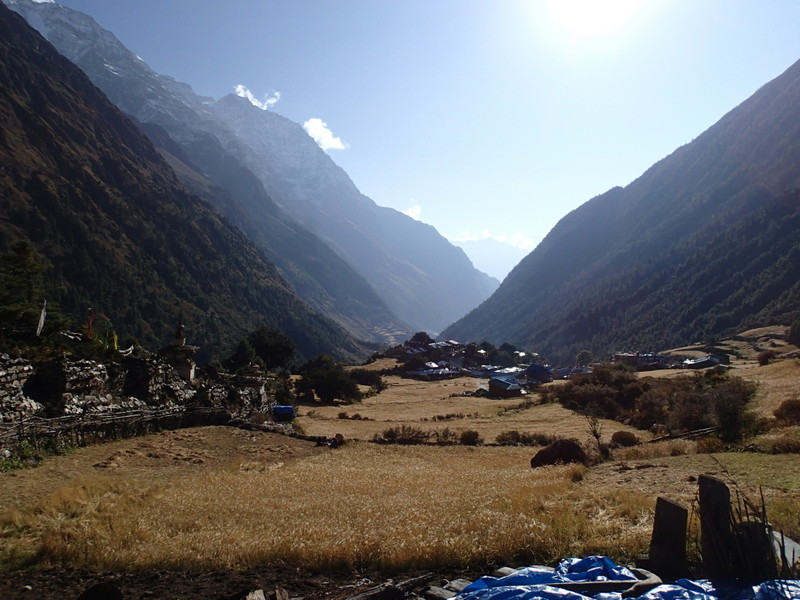
The Manaslu Circuit Trek is a hidden gem in the Himalayas of Nepal, offering a rich tapestry of natural beauty, cultural diversity, and thrilling adventure. As you journey around the eighth highest peak in the world, Mount Manaslu (8,163 meters), you’ll experience a variety of landscapes, historical sites, and unique cultural interactions. Before Planning your adventure trip to Manaslu, you may have a question about “What are the major attractions of Manaslu Circuit Trek?”.

The Manaslu Circuit Trek is a journey of a lifetime, offering a unique blend of natural beauty, cultural richness, and adventure. From the awe-inspiring mountain vistas and the thrill of crossing the Larkya La Pass to the serene monasteries and vibrant local cultures, every aspect of this trek provides an unforgettable experience. Whether you’re a seasoned trekker or a passionate adventurer, the Manaslu Circuit promises to captivate and inspire, making it a must-do trek for anyone visiting Nepal.

What are the major attractions of Manaslu Ciruit Trek?

1. Spectacular Mountain Scenery

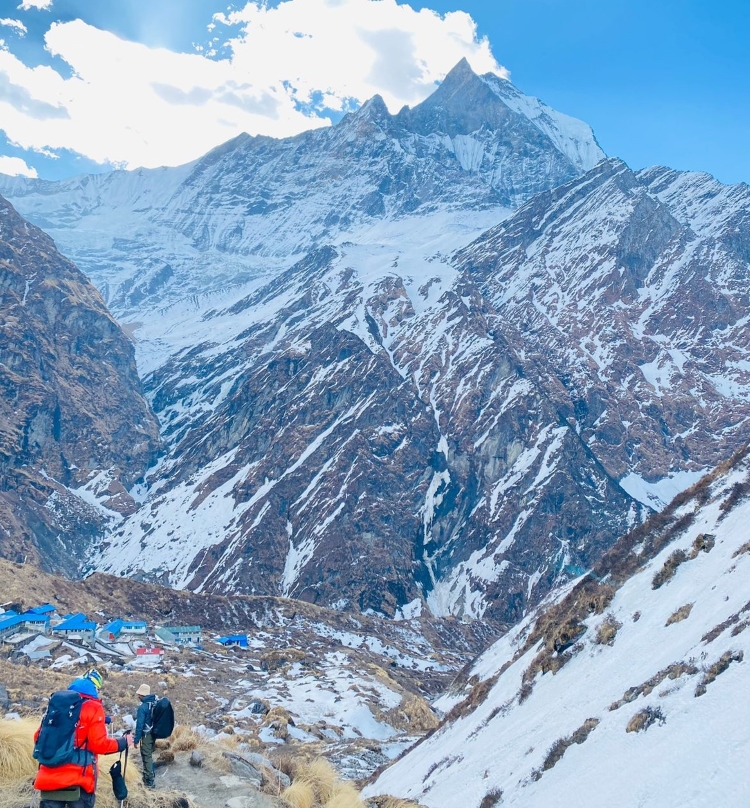
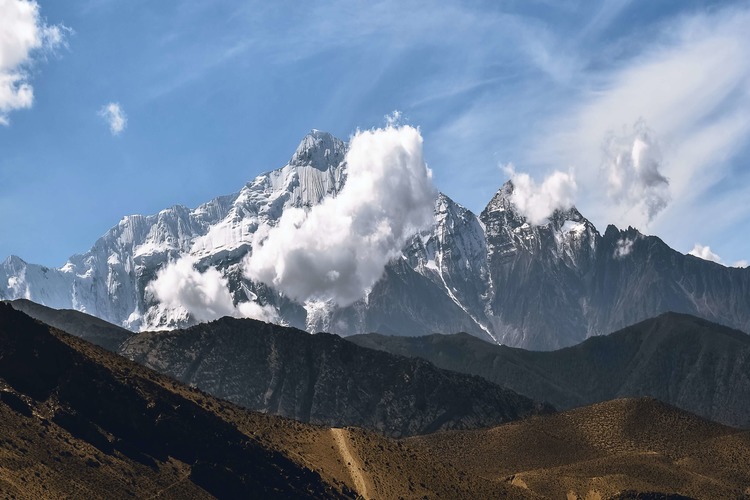
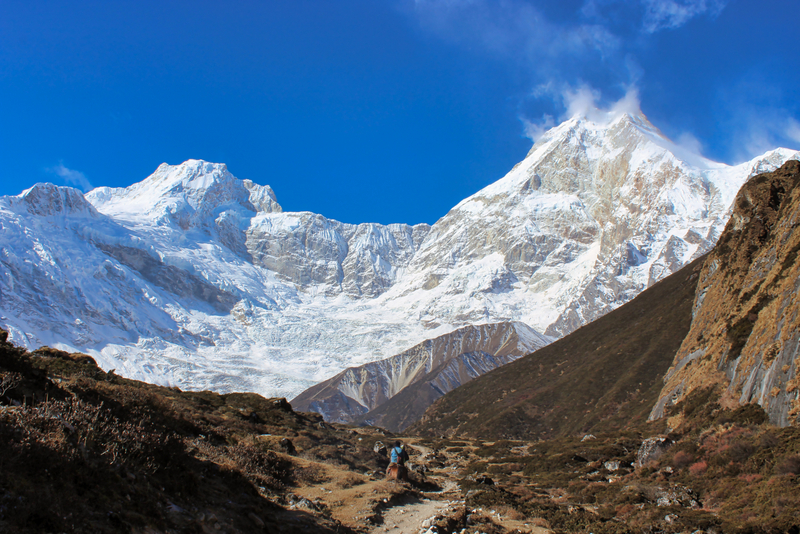
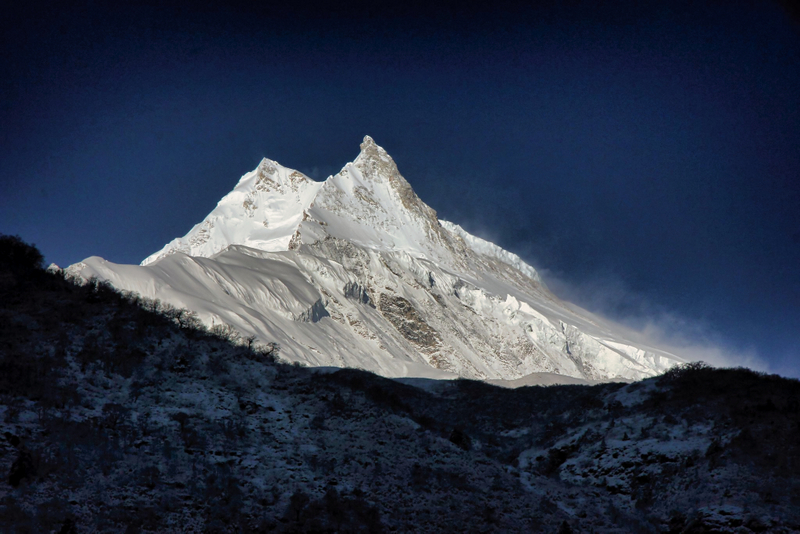
The Manaslu region boasts some of the most breathtaking mountain views in the world. The trek provides stunning vistas of Mount Manaslu and its surrounding peaks, including Himalchuli, Ngadi Chuli, and Ganesh Himal. The high point of the trek, the Larkya La Pass (5,160 meters), offers panoramic views of these majestic mountains, making the challenging ascent worthwhile.

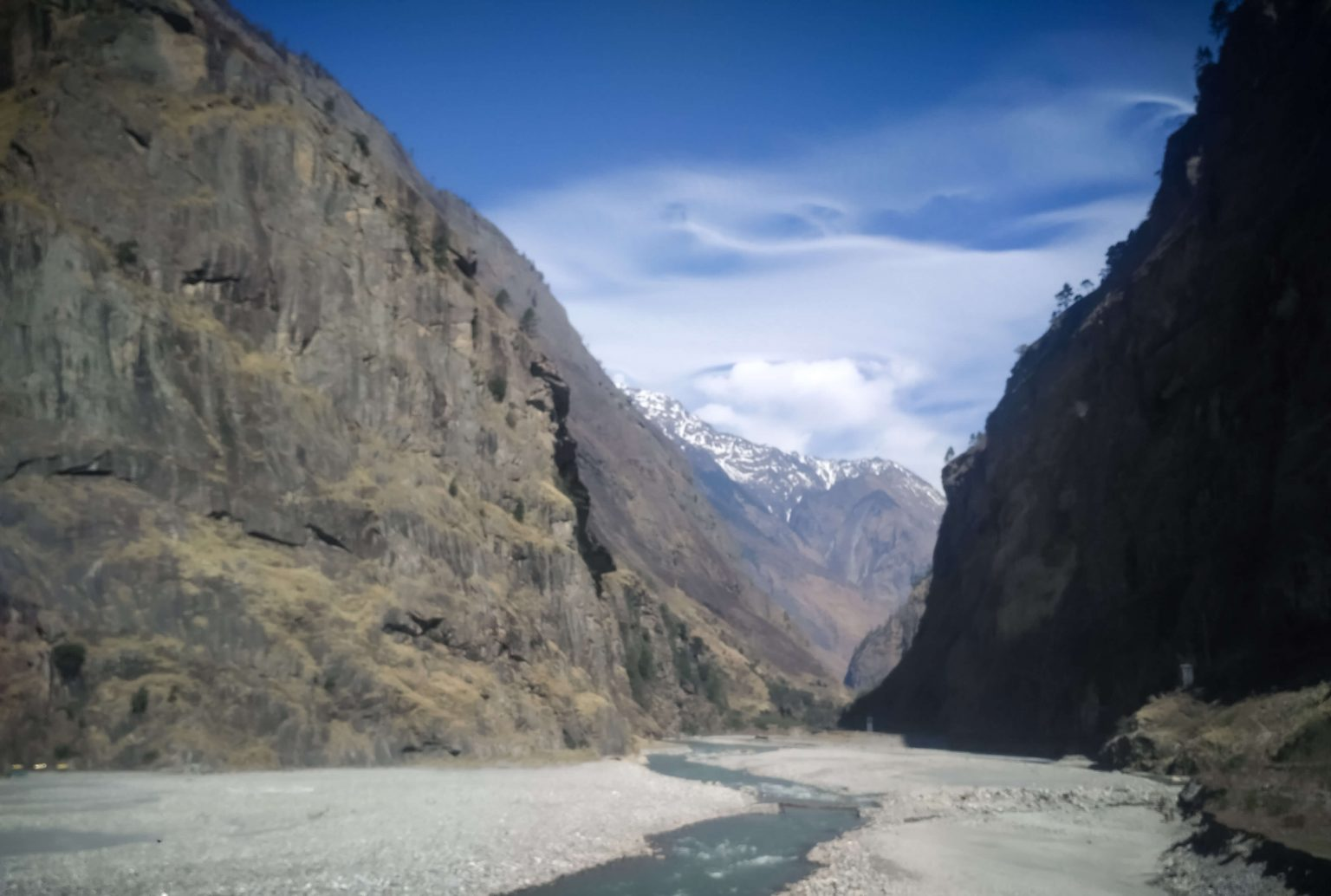
The trek also passes through diverse landscapes, from subtropical forests and terraced fields to alpine meadows and glacial valleys, each offering its own unique scenic beauty. The landscape changes with altitude, allowing trekkers to experience the richness of Nepal’s natural environments within a relatively short distance.

2. Larkya La Pass

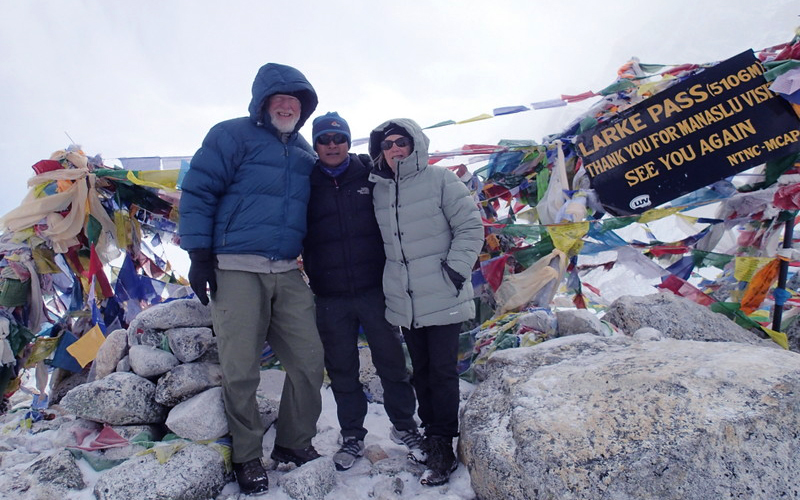
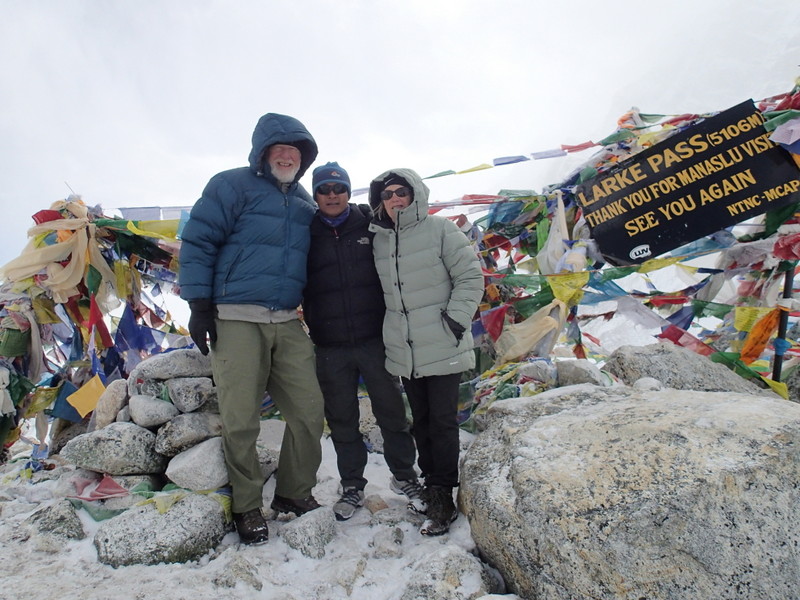
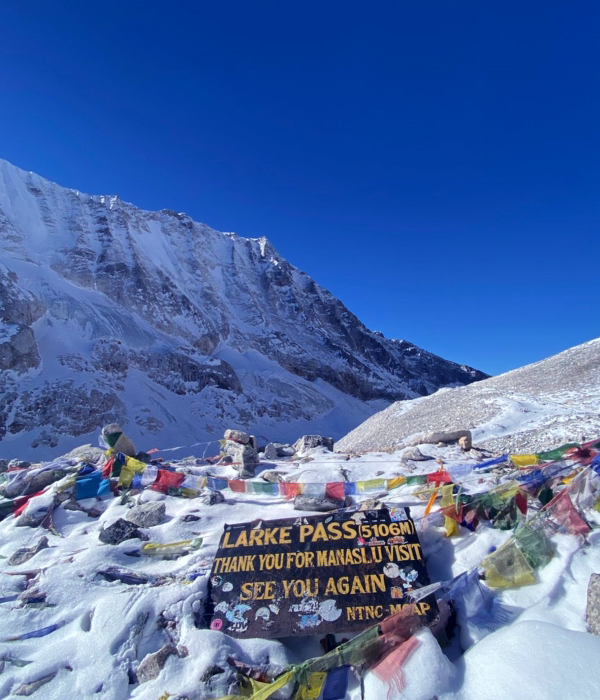
The crossing of Larkya La Pass is a highlight of the Manaslu Circuit Trek. At an altitude of 5,160 meters, it is one of the highest and most dramatic passes in the Himalayas. The ascent to the pass is steep and strenuous, but the reward is a stunning 360-degree view of snow-capped peaks and glaciers. On a clear day, trekkers can see a breathtaking panorama that includes Himlung Himal, Cheo Himal, Kang Guru, and Annapurna II.

The challenge of the Larkya La Pass is balanced by the sense of achievement and the visual feast of Himalayan giants. The descent from the pass towards Bimthang is equally dramatic, offering contrasting views of the rugged terrain.

3. Cultural Diversity and Tibetan Influences

The Manaslu region is home to a rich blend of cultures. As you trek through the lower regions, you’ll encounter predominantly Hindu villages with traditional Nepali culture. As you ascend, the cultural landscape shifts to predominantly Tibetan Buddhist communities, particularly in the Nubri and Tsum Valleys.

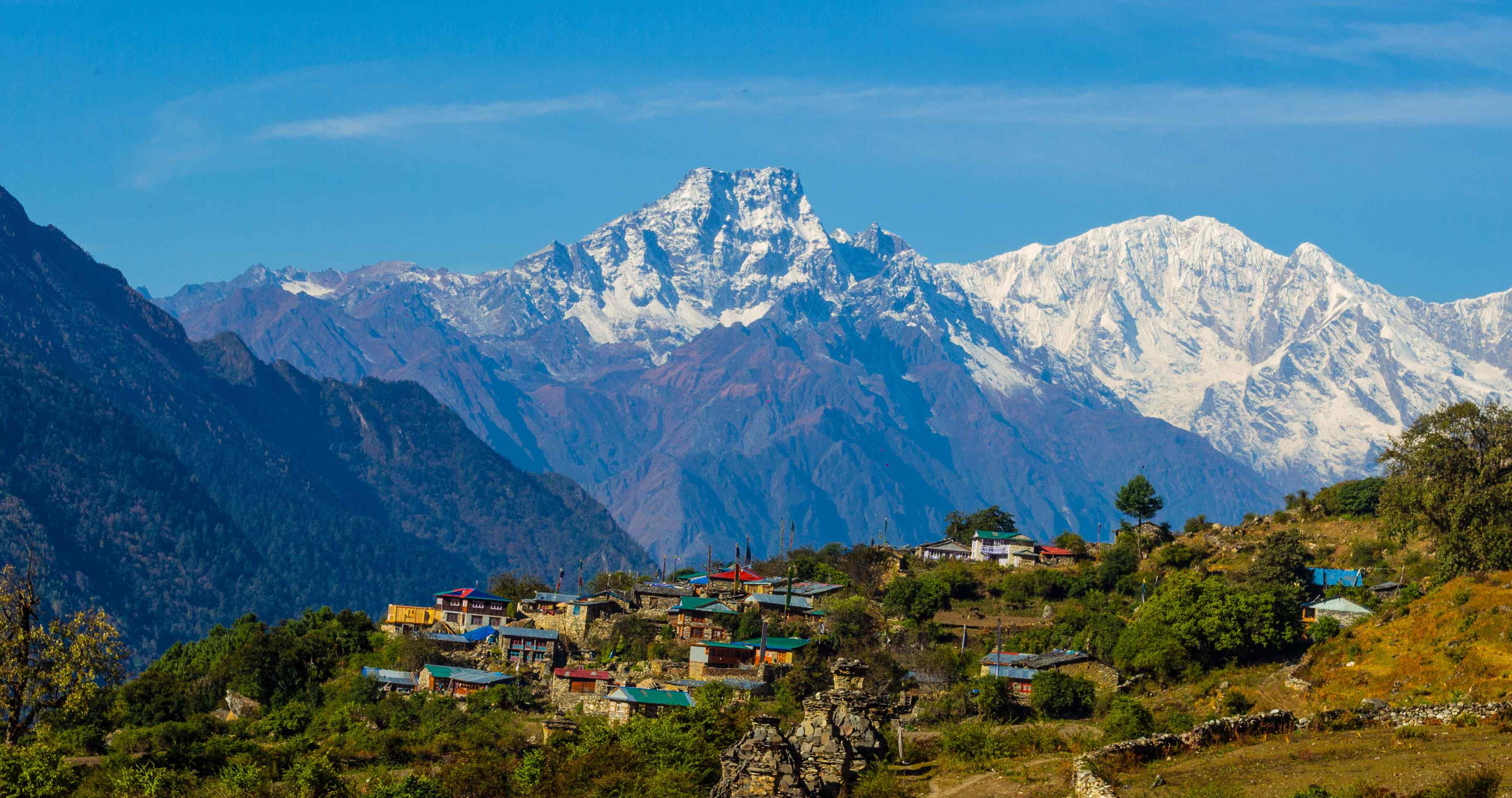
Tibetan culture is evident in the architecture of the villages, the presence of ancient monasteries, prayer wheels, chortens (Buddhist stupas), and the colorful prayer flags fluttering in the wind. Villages like Samagaon and Samdo offer a deep dive into Tibetan Buddhist practices and lifestyle, providing a serene and spiritual dimension to the trek.

These cultural elements are not merely for show; they are integral to the daily lives of the inhabitants. Visitors can witness traditional farming methods, join in local festivals, and even participate in prayer ceremonies in the monasteries.

4. Ancient Monasteries and Gompas

Throughout the trek, you will encounter several ancient monasteries and gompas (Buddhist temples), each with its own unique history and significance. Key sites include:

  • Ribung Gompa in Lho Village: This monastery offers stunning views of Mount Manaslu and is a peaceful place to rest and reflect.
  • Pungyen Gompa: Located near Samagaon. This secluded monastery is a short hike from the main trail and provides closer view of Manaslu Glacier.
  • Mu Gompa: In the remote Tsum Valley, Mu Gompa is one of the highest monasteries in the region. Mu Gompa offering insights into the monastic lifestyle and Tibetan Buddhism.

These monasteries are not just places of worship but also serve as cultural hubs where trekkers can learn about local customs and traditions. They house ancient scriptures, murals, and relics that tell the story of the region’s spiritual heritage.

5. Manaslu Base Camp

A side trip to Manaslu Base Camp from Samagaon is a must for trekking enthusiasts. This hike provides a closer view of Mount Manaslu and its surrounding glaciers. The trek to the base camp is challenging but rewarding, offering trekkers a sense of accomplishment and stunning views of the towering peaks.

The base camp is also a hub for mountaineers attempting to summit Manaslu, providing an exciting glimpse into high-altitude expedition life.

6. Beautiful Glacier Lakes

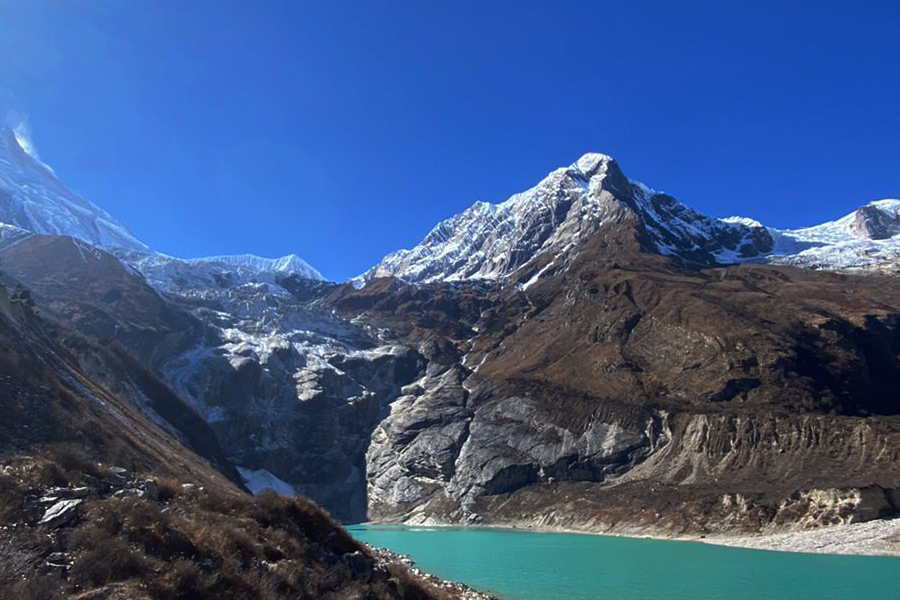
There are two most beautiful lakes in Manaslu region which are the major attractions of the route.

  • Birendra Tal (Lake): Birendra Tal is lies in Samagaon. It is a serene alpine lake surrounded by towering mountains and lush greenery. The lake offers stunning reflections of the surrounding landscape and is a peaceful spot for trekkers. Many trekkers stop here to enjoy a break and capture photographs of the picturesque scenery.
  • Ponkar Lake: Ponkar Lake is another beautiful high-altitude lake situated along the Manaslu Circuit Trek. It lies near the Bimthang village, which is reached after crossing the Larke Pass. Ponkar Lake offers trekkers stunning views of the surrounding snow-capped peaks and is a tranquil place to relax. It unwind after the demanding ascent over the pass.

7. Local Villages and Homestays

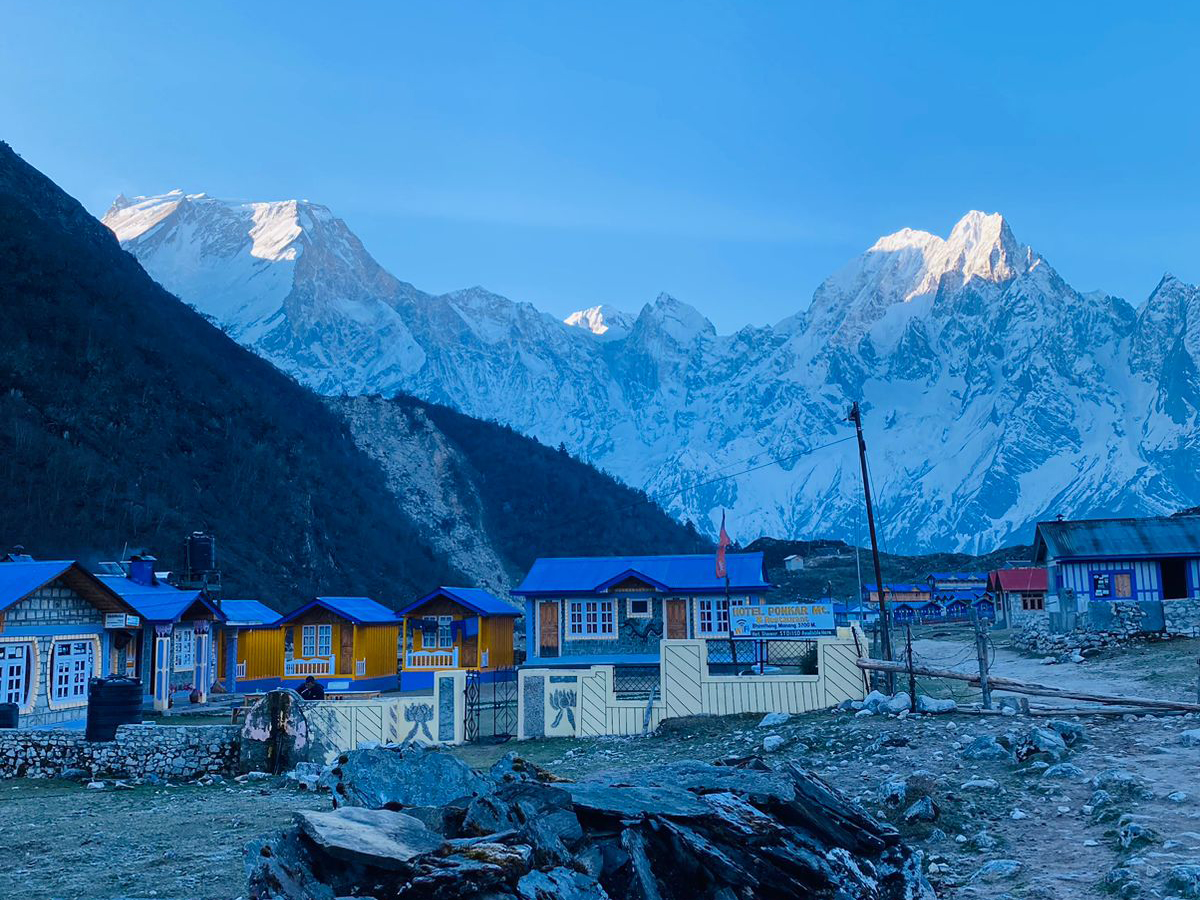
One of the unique aspects of Manaslu Trek is the opportunity to stay in local villages and experience traditional homestays. This not only provides a more authentic experience but also supports the local economy. Villages such as Machhakhola, Jagat, Deng, Namrung, Samagaon, Samdo and Bhimtang offer simple yet comfortable lodges and homestays. In local lodge, trekkers also can interact with locals, learn about their way of life, and enjoy traditional meals.

8. Tsum Valley Side Trip

For those with extra time, a side trip to the Tsum Valley is highly recommended. This remote and sacred Himalayan valley was only opened to trekkers in 2008 and offers an even more off-the-beaten-path experience. The Tsum Valley is famous for its ancient monasteries, beautiful landscapes, and rich Tibetan culture. Highlights include Mu Gompa and Rachen Gompa, as well as the stunning vistas of the Ganesh Himal range.

The Tsum Valley is also Popular for its unique practices, such as polyandry and its historical significance in Tibetan Buddhism.

Conclusion of the major attractions of Manaslu Circuit Trek

The Manaslu Trek is a journey of a lifetime, offering a unique blend of natural beauty, cultural richness, and adventure. From the awe-inspiring mountain vistas and the thrill of crossing the Larke Pass to the serene monasteries and vibrant local cultures, every aspect of this trek provides an unforgettable experience. Whether you’re a seasoned trekker or a passionate adventurer, the Manaslu Circuit promises to captivate and inspire, making it a must-do trek for anyone visiting Nepal.

Further more, by incorporating a diverse range of experiences, from high mountain passes to deep cultural interactions, the Manaslu Circuit Trek stands out as a premier trekking destination. The careful balance of natural beauty and cultural immersion ensures that every day on the trail offers new and enriching experiences. As you walk through this breathtaking region, you’ll not only witness the grandeur of the Himalayas but also connect with the resilient and welcoming people who call this remote paradise their home.
Best Travel Package in Nepal

Nepal is a treasure trove of ancient temples, towering mountains including the world-renowned Mount Everest, and rich cultural heritage, making it an ideal destination for travelers seeking a unique holiday experience. Best Travel package in Nepal offers an unparalleled opportunity to explore this vibrant country, from its sacred UNESCO World Heritage Sites in the Kathmandu Valley to the serene beauty of Himalaya and national parks. With a diverse range of activities including trekking, mountain climbing, and sampling traditional Nepalese dishes, a journey through Nepal promises an adventure that is as varied as the landscapes it boasts.

Best Travel Package in Nepal will navigate through the top Nepal tour packages, providing a glimpse into what makes each unique and unforgettable. From the historical and cultural exploration in the Kathmandu Valley Tour, adrenaline-pumping adventures in the Pokhara Adventure Package, to the immersive wildlife experiences in the Chitwan Safari Experience, and the deep dive into Nepal’s rich cultural heritage, these best travel packages in Nepal are designed to cater to every type of traveler. Highlighting the best of Nepal’s natural beauty, spiritual sites, and adventurous terrains, these selected Nepal holiday packages offer a comprehensive guide for those planning their next getaway to this mesmerizing country, ensuring a truly unforgettable holiday experience.

What You Need to Know Before You Go Nepal?

Nepal offers a unique blend of ancient cultures, breathtaking landscapes, and vibrant traditions that beckon travelers from around the globe. Its allure is not only in its natural beauty but also in the richness of experiences it provides, from trekking on rugged trails to exploring centuries-old temples and monasteries. Nepal presents an unparalleled opportunity for adventure, spiritual exploration, and cultural immersion, making it a must-visit destination for those seeking an experience beyond the ordinary.

As travelers prepare to embark on their journey to Nepal, this article will serve as an essential guide covering everything from essential travel preparations to discovering the hidden gems beyond the well-trodden path. Exploring Kathmandu’s historic core, indulging in outdoor adventures amid the world’s highest peaks, savoring the local cuisine, and understanding the importance of traveling responsibly in Nepal are among the key highlights. Whether the mountains call you to Nepal or you wish to dive deep into its cultural tapestry, this guide offers invaluable insights to ensure a memorable experience.

Essential Travel Preparations

Travel Insurance

Travelers should not overlook the importance of securing comprehensive travel insurance before visiting Nepal. The government of Nepal mandates that all visitors carry travel insurance covering emergency medical treatment, and medical repatriation. Policies should provide at least $50,000 in emergency medical coverage and $100,000 for medical evacuation. Travelers might also consider insurances that cover high-risk activities, such as trekking, which should include emergency medical evacuation. Notably, during one trekking season, insurance claims in Nepal surged from 15% to 60% due to increased incidents requiring helicopter evacuations, emphasizing the necessity of adequate coverage.

Itinerary Planning

Planning a trip to Nepal can be overwhelming due to its vast offerings from trekking in the Himalayas to exploring vibrant local cultures. Travelers should consider scheduling a Nepal travel consultation to help refine their itineraries. Such consultations can provide tailored advice and insights, making trip planning less daunting. Additionally, sorting out a Nepali visa before arrival can save considerable time at the airport.

Best Time to Visit

The ideal time to explore Kathmandu Valley is between October and December when the weather is dry, and the skies are clear, offering spectacular views. However, the tour can be enjoyed almost year-round, except during the monsoon season from June to August, when heavy rains may hinder travel.

Visa Requirement

Tourist visas can be obtained upon arrival at Tribhuvan International Airport in Kathmandu or at land border crossings. The visa fee varies depending on the duration of stay, with options for 15, 30, or 90 days. Travelers must ensure their passport is valid for at least six months from the date of entry and have sufficient funds for their stay.

Best City to Visit

Kathmandu Valley

The Kathmandu Valley Tour encapsulates the essence of Nepal’s cultural and historical heart, featuring visits to UNESCO World Heritage Sites such as Kathmandu Durbar Square, Swayambhunath, and Pashupatinath Temple. Tourists can marvel at the exquisite architecture of Patan and Bhaktapur, and the serene Garden of Dreams offers a tranquil escape in the bustling city

Pokhara

Pokhara offers a plethora of adventure activities, making it Nepal’s premier adventure and leisure destination. Visitors can engage in paragliding, zip-lining, and ultra-light flights for breathtaking aerial views of the Himalayas. For trekking enthusiasts, trails like the Annapurna Base Camp start here, providing easy and scenic routes. The city is also known for its water-based activities like boating on the serene Phewa Lake and adventurous white-water rafting.

Chitwan National Park

Chitwan National Park offers an array of wildlife viewing opportunities, from encountering the endangered Indian rhinoceros to spotting over 480 species of birds. The park’s diverse ecosystem also supports mammals like wild boar, sambar, and various species of deer and monkeys. For those interested in reptilian life, the marsh mugger and gharial crocodiles are significant draws.

The Best Travel Packages in Nepal

Through exploring the diverse landscapes and rich cultural tapestry of Nepal, the top best travel packages in Nepal highlighted below offer something for every traveler. These curated experiences not only promise unforgettable memories but also a deep connection with the nature and culture that make Nepal a unique destination for travelers. Royal Holidays Adventure offer more than 60 travel packages in Nepal including Trekking, city tours, climbing and Helicopter tours but here are listed best of the best packages.

 Everest Base Camp Trek

Everest Base Camp Trek is the best travel package in Nepal for travelers. The allure of the Everest Base Camp trek is undeniable. The Everest Base Camp trek is a bucket-list adventure for many, offering a chance to stand in the shadow of the world’s highest peak and experience the breathtaking beauty of the Himalayas. This trek, however, is not for the faint of heart. It demands a certain level of physical fitness and mental preparedness, but the rewards are unparalleled. Everest Base Camp Trek guide will equip you with the knowledge you need to plan your own Everest Base Camp trekking, ensuring a safe and fulfilling journey.

Manaslu Circuit Trek

The Manaslu Circuit trek is often hailed as the best travel package in Nepal for several reasons. It allows you to delve deep into the heart of the Himalayas, offering breathtaking views of snow-capped peaks, lush forests, and serene villages. The trail winds through remote villages, providing an intimate glimpse into the lives of the local people and their rich cultural heritage. Manaslu circuit trek, less crowded and arguably more rewarding, presents a stunning journey through the remote and rugged Manaslu region. You’ll encounter ancient monasteries, vibrant prayer flags, and traditional Tibetan settlements, adding a layer of cultural immersion to the adventure.

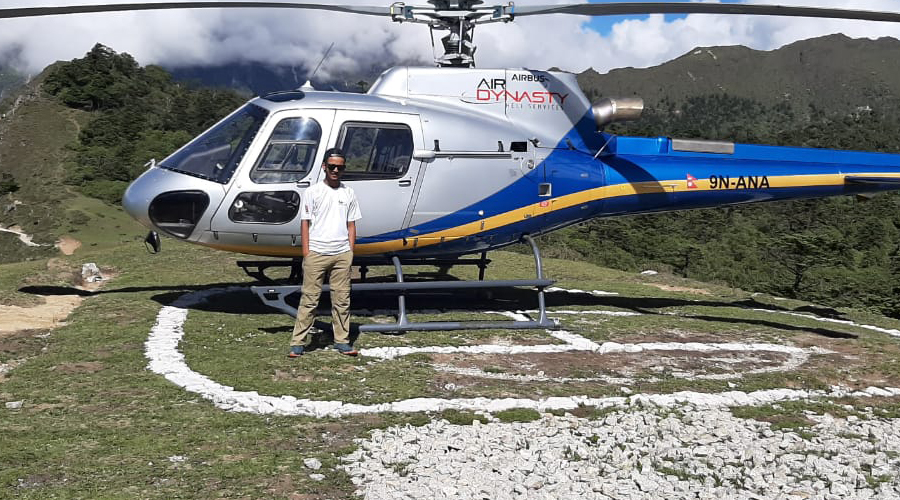
Everest Base Camp Helicopter Tour

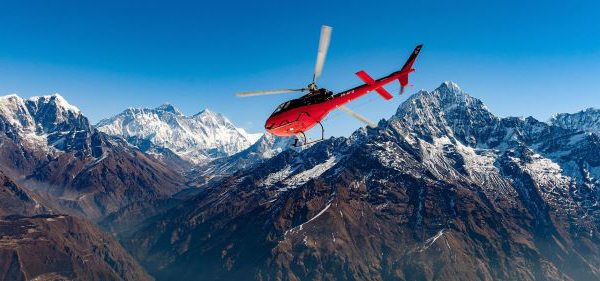
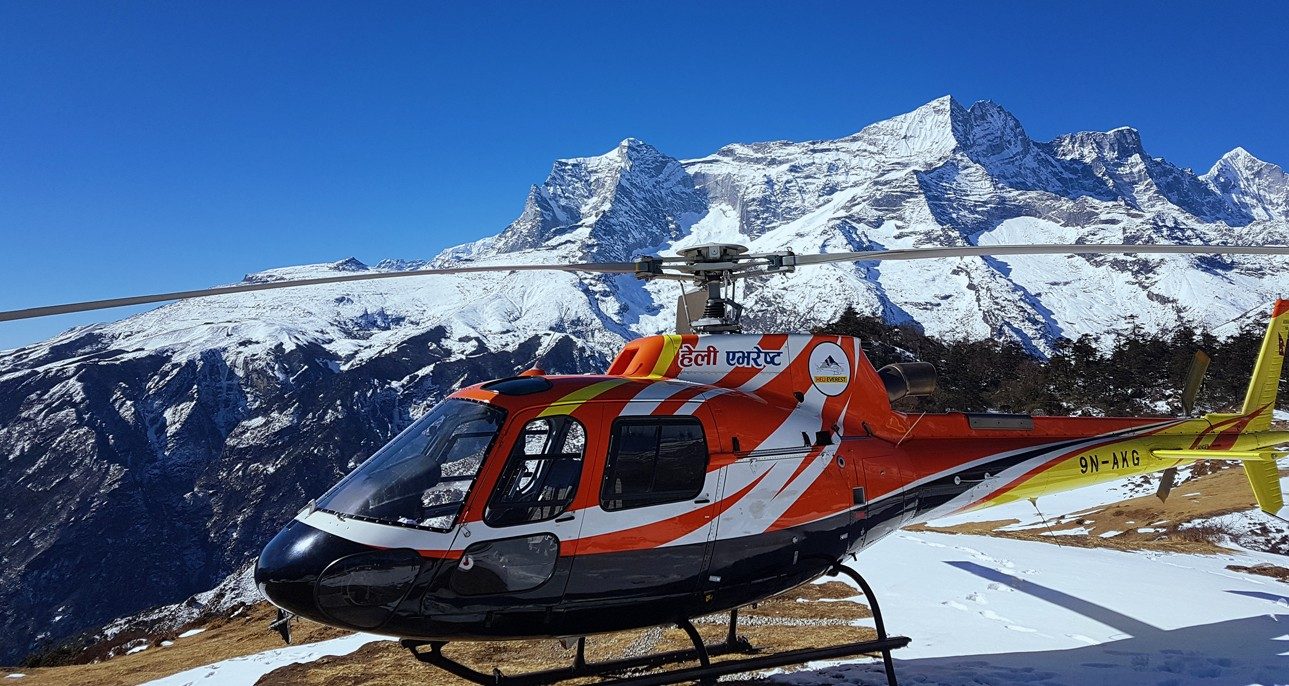
An Everest Base Camp helicopter tour represents the pinnacle of luxury travel, offering an unparalleled combination of convenience, comfort, and breathtaking views. It’s an opportunity to experience the majesty of the Himalayas in a way that is both unforgettable and efficient. Whether you’re a seasoned adventurer or a first-time traveler, this best travel package in Nepal will leave you with memories that will last a lifetime.

Annapurna Base Camp Trek

The best holiday package for travelers, Annapurna Base Camp trek offers something for everyone. Whether you’re an experienced hiker seeking a challenging adventure or a first-time trekker looking for a rewarding experience, this trek caters to all levels of fitness and experience. The Annapurna Base Camp trek is more than just a travel package; it’s an opportunity to embark on a journey of self-discovery and connect with the beauty and culture of Nepal. This is an experience that will stay with you long after you return home, leaving you with memories that will last a lifetime.


Manaslu Circuit and Tsum Valley Trek Guide

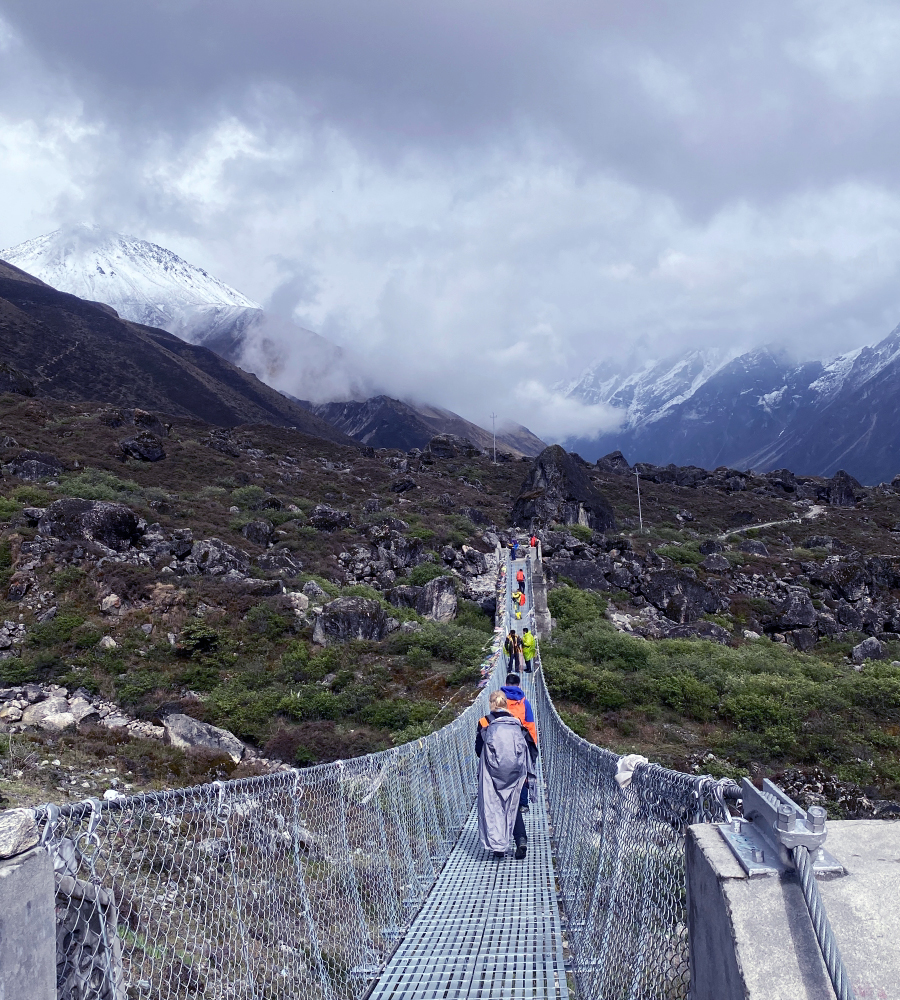
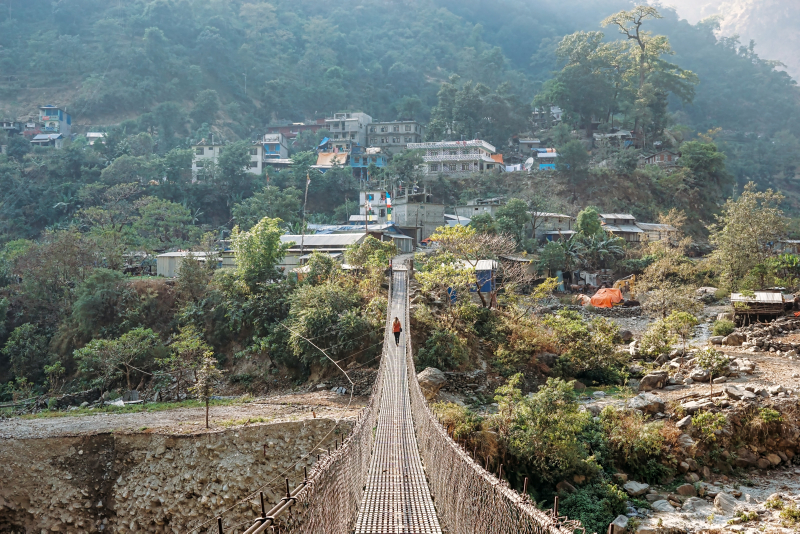
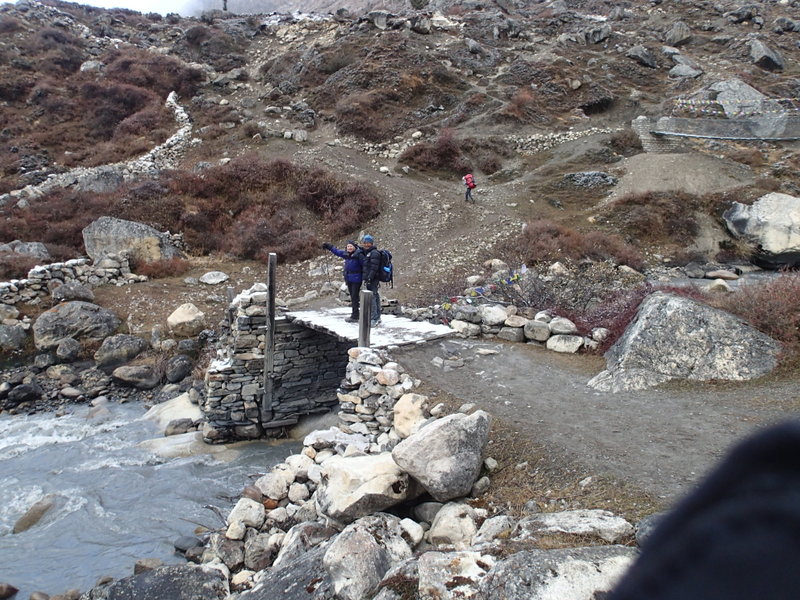
The Manaslu Circuit and Tsum Valley trek guide reveals a path through some of the most breathtaking landscapes the Himalayas have to offer, complete with suspension bridges, high passes, and views of snow-capped mountains. This trek is not just a journey through nature, but a deep dive into cultural richness, showcasing monasteries, Tibetan villages, and the vibrant life of ethnic groups residing in the Manaslu region.

Optimal trekking periods fall within the distinct beauty of autumn (September to November) and the refreshing bloom of spring (March to May), offering the best conditions to experience the majestic Mount Manaslu, the world’s eighth-highest peak, and other monumental natural sceneries. Engaging in this restricted trek requires obtaining a special permit, ensuring an exclusive experience away from crowded trials like the Annapurna Circuit Trek. This guide promises to navigate you through the essentials, from preparing for the ascend and understanding the necessary permits and regulations, to unveiling the unique highlights of the Manaslu Circuit Trek including the serene Tsum Valley side trip.

Trek Itinerary and Terrain

The journey is 18 days long adventure, Excluding days spent in Kathmandu and traveling to and from the trek’s start and end points. The trek includes a total ascent of 11,000 meters and, a descent of 9,800 meters, featuring a mix of steep and rocky paths, particularly noted in the Budhi Gandaki Gorge. Despite the challenging terrain, the path does not require rock climbing or advanced mountaineering skills, making it accessible to those with good fitness levels.

Manaslu and Tsum Valley Trek Outline itinerary

DayItineraryElevation (M)Trek Hour
01Drive from Kathmandu to Machha Khola830m7-8 hrs
02Trek from Machha Khola to Jagat1340m5-6 hrs
03Trek from Jagat to Lokpa2250m5-6 hrs
04Trek from Lokpa to Chumling2600m6-7 hrs
05Trek from Chumling to Chhekampar3030m6-7 hrs
06Trek from Chhekampar to Mu Gomba3245m6-7 hrs
07Trek from Mu Gomba to Chhekampar3030m5-6 hrs
08Trek from Chhekampar to Gomba Lundang3200m6-7 hrs
09Trek from Gomba Lundang to Ripchet2650m6-7 hrs
10Trek from Ripchet to Behi Phedi1800m6-7 hrs
11Trek from Behi Phedi to Lho2630m5-6 hrs
12Trek from Lho to Sama Gaun3530m3-4 hrs
13Acclimatization day and side trip to Manaslu base camp (4800M)3530m5-6 hrs
14Trek from Samagaon to Samdo3880m3-4 hrs
15Samdo rest day and side trip to Tibet boarder3880m5-6 hrs
16Trek from Samdo to Dharmasala4900m3-4 hrs
17Trek from Dharmasala to Bhimtang via Lareky la pass (5106M)4400m7-8hrs
18Trek from Bhimtang to Dharapani2300m6-7 hrs
19Drive from Dharapani to Kathmandu via Beshisahar1300m8-9 hrs

Cultural Experience and Accommodations

As trekkers traverse the Nupri Region, they encounter Tibetan immigrants, offering a deep dive into local culture, religion, and lifestyle. The trek is also a cultural journey, showcasing remote villages where trekkers can observe unique customs and participate in Buddhist practices at various monasteries, Gombas, Chortens, and Manes. Accommodations along the trek are primarily in lodges and tea houses managed by local families, providing a more intimate experience of the region’s hospitality.

Exploring the Tsum Valley

Tsum Valley, a hidden gem in the northern Manaslu region of Nepal. This region offers a profound journey into both nature and spirituality known for its strong Buddhist culture. The valley is peppered with ancient monasteries. This area serving as vital pilgrimage sites for Buddhists. The trek, which spans 19 days, starts and ends in Kathmandu. Challenging trekkers with its rugged terrain and high passes, including the Larkya La Pass at 5160 meters.

The cultural tapestry of Tsum Valley is rich and diverse. Home to various ethnic groups such as the Brahmin, Chhetri, Tamang, Magar, Tibetan, and Gurung. This diversity enriches the trekking experience, offering insights into the unique customs and lifestyles that thrive in this secluded part of the world. The natural landscape is equally captivating, with dense forests of pine, oak, spruce, and rhododendron, which are home to endangered species like the snow leopard and red panda. The journey is not only promises breathtaking views of the Himalayas, including Mt. Manaslu and Annapurna I, but also a deep dive into the valley’s Tibetan Buddhist traditions, making it a once-in-a-lifetime experience for adventurers seeking both challenge and cultural immersion.

Best Time to Trek

The ideal periods for embarking on the Manaslu Circuit Trek and the Tsum Valley side trip are during the spring and autumn seasons. Each season offers distinct advantages that cater to different trekking preferences.

Spring Season (March to May)

  1. March: Early in the month, temperatures range from 2 to 8°C during the day, dropping to around -6°C at night, providing a cooler trekking environment.
  2. April: This month is perfect for those who appreciate flora, offering a vibrant display of flowers and green landscapes with daytime temperatures between 6 to 12°C.
  3. May: Towards the end of spring, the weather generally stabilizes with warm temperatures and abundant sunshine, enhancing the visibility of the lush, green scenery and colorful blooms.

Autumn Season (September to November)

  1. September: Marks the end of the monsoon with the onset of autumn, bringing forth comfortable weather and excellent mountain views as the skies clear.
  2. October: Considered the prime month for trekking in Nepal, including on the Manaslu trail, due to warm days and favorable weather conditions that ensure good visibility.
  3. November: Features moderate temperatures and is the driest month, offering clear views of various snow-capped mountain ranges, making it a popular choice for trekkers.

Both seasons are highly recommended as they provide dry trails, stable weather, and long trekking days, which are ideal for both novice and experienced trekkers.

Preparing for the Trek

Acclimatization and Physical Preparation

Proper acclimatization is essential to prevent altitude sickness during the Manaslu Circuit Trek. Trekkers should spend nights at lower elevations whenever possible to allow the body to adjust to the changing altitude. Starting physical preparations 8-12 weeks before the trek is advisable, focusing on elevation training, aerobic, and conditioning strength endurance to cope with the demanding nature of the trek. Cardiovascular exercises, strength training, and hiking with a weighted bag or stair climbing are recommended activities to build stamina and fitness.

  • Essential Gear and Nutrition

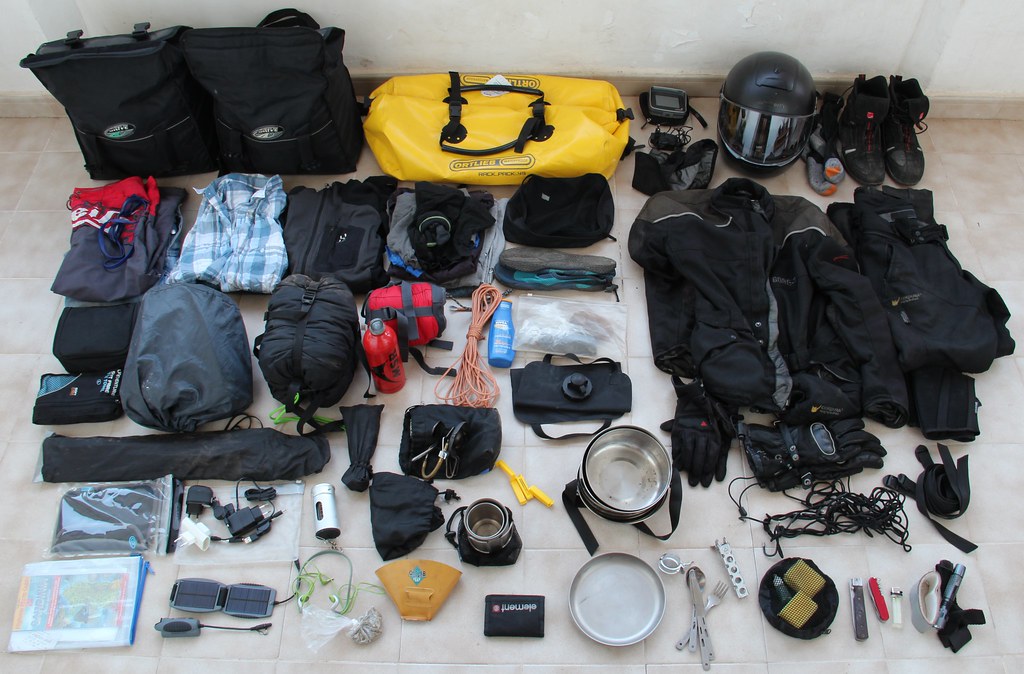
Packing the right gear is crucial for a successful trek. Essential items include a good pair of trekking shoes, warm clothes, a raincoat, and a windcheater to protect against variable weather conditions. A 50-60L backpack is recommended for carrying these items . Trekkers should also pack warm and layered clothes, a hat, gloves, and a sleeping bag for cold and rainy weather, although blankets are available in each guesthouse. Nutrition plays a vital role; staying hydrated and maintaining a balanced diet is important, with an emphasis on well-cooked meals to avoid stomach infections. Carrying favorite snacks can help boost morale during challenging parts of the trek.

Safety, Cash, and Local Support

Safety on the trail is paramount. Trekkers should remain aware of mules, yaks, and porters, keeping out of their way to avoid accidents. Since ATMs may not be readily available, carrying sufficient cash for the entire trip is essential. Hiring an experienced local guide and porter not only enhances safety but also aids in communication and enriches the trekking experience by providing insights into local culture and environment. Booking the trek through an authorized adventure company can help manage logistical aspects such as permits, accommodations, and transport, making the experience smoother and more enjoyable.

Essential Permits for the Manaslu Circuit and Tsum Valley Trek

To embark on the Manaslu Circuit and Tsum Valley Trek, trekkers must secure three essential permits: the Annapurna Conservation Area Project (ACAP), the Manaslu Conservation Area Project (MCAP), and the Restricted Area Permit (RAP). While the ACAP and MCAP permits can be acquired independently by trekkers, the RAP necessitates processing through a licensed trekking agency in Nepal. Independent trekking is not permitted in the Manaslu region; both a special permit and a registered guide are mandatory requirements.

for more info: Nepal Immigration

Challenges and Highlights of the Trek

The Manaslu Circuit Trek, while offering an enriching experience, presents several challenges that trekkers need to prepare for. The trek demands a good level of physical fitness due to its long duration and the rough, challenging terrain. The journey reaches a maximum elevation of 5160 m at Larkya Pass, where trekkers are at risk of altitude sickness. To mitigate this, proper acclimatization, hydration, and avoiding alcohol are crucial. Additionally, the unpredictable weather and temperatures that can drop below freezing point add to the trek’s difficulty, requiring trekkers to stay updated on weather forecasts and be prepared for sudden changes.

Despite these challenges, the Manaslu Circuit Trek is renowned for its breathtaking highlights. Trekkers are rewarded with stunning views of Mt. Manaslu and other magnificent mountains, enhancing the allure of this remote trail. The path winds through wild, scenic landscapes, offering glimpses of lush forests, rivers, and waterfalls, and the rich cultural heritage of the region is displayed through ancient monasteries and diverse ethnic groups, providing a deep cultural immersion. The presence of various flora and fauna, including rare species like the Himalayan tahr and snow leopard, makes this trek not only a physical adventure but also an ecological exploration.

The trek’s exclusivity is further highlighted by its economic cost compared to more popular treks like the EBC or ABC, making it an attractive option for budget travelers.

Moreover, the requirement of a professional local guide ensures that trekkers receive knowledgeable support throughout their journey, enriching their experience with insights into the local culture and environment. This combination of natural beauty, cultural richness, and the thrill of navigating its challenges makes the Manaslu Circuit Trek a compelling choice for adventurers seeking a unique and less trodden path in the Himalayas.

Conclusion of Manaslu Circuit and Tsum Valley Trek Guide

The Manaslu Circuit Trek with the Tsum Valley side trip exemplify the exhilarating blend of natural beauty and cultural immersion that the heart of Nepal has to offer. These adventures not only challenge the physical fitness of trekkers but also engage them in a profound cultural experience among the diverse ethnic communities of the region. The journey through rugged terrains, lush forests, and high passes, culminating at the breathtaking Larkya La Pass, stands as a remarkable highlight, offering panoramic views that are etched into the memory of every adventurer. This trek, with its unique combination of ecological exploration and cultural richness, thus remains a jewel in the crown of Nepal’s trekking destinations.

Emphasizing the significance of this journey, it is evident that the Manaslu Circuit Trek and the Tsum Valley are not mere treks but a voyage into the heart of the Himalayas that offers a glimpse into the soul of Nepal. The importance of careful preparation, understanding local customs, and the challenging yet rewarding nature of the trek encapsulates a compelling narrative for those who seek adventure beyond the beaten path. As trekkers navigate through this less-trodden route, they not only uncover the majestic beauty of the Himalayas but also contribute to the preservation and appreciation of the local cultural heritage, making their journey an invaluable addition to their life experiences.

Advantage of hiring trekking guide

One of the most thrilling adventures anyone can have is trekking in Nepal. Here we are talking about the advantage of hiring trekking guide in the Himalayas. It is a famous location for adventure seekers due to its beautiful mountains, breathtaking scenery, and diverse culture. It’s important to keep in mind, though, that trekking in Nepal can be difficult, and hiring a guide is necessary to guarantee a secure and enjoyable journey.

The Nepalese government has made hiring a guide obligatory beginning on April 1st, 2023. The decision was taken as a result of the rising number of lone trekkers in Nepal who have become disoriented or encountered other difficulties. A guide helps make the trek go more smoothly and also offers a feeling of security.

The expertise of a guide is one of the primary benefits of hiring them while trekking. They are knowledgeable about the routes and can offer helpful information regarding the traditions, history, and culture of the locations you travel to. Additionally, they can help you reserve a room in one of the few available tea houses and give you information on the path before you begin your trek.

By keeping an awareness of the climate and offering first aid in an emergency, guides can also help to reduce hazards. They can help with carrying the required items, which can be difficult for lone hikers to do. Examples of these items include tents, sleeping bags, and cooking utensils.

The opportunity to gain knowledge from a guide’s expertise is another advantage of hiring one. They are able to impart to you useful trekking skills like safe hiking methods, preparation, and how to manage altitude sickness. They can also educate you about the natural wildlife and creatures, which will enhance your overall trekking experience.

Lastly, if you’re thinking about going trekking in Nepal, you must hire a guide. Off the beaten path like, Manaslu Circuit Trek, Kanchenjunga and other regions required a guide all the time but now all the trekking route need a guide. Your safety is guaranteed, and the entire experience is improved. Trekkers can now appreciate their adventure with confidence thanks to the government’s recent decision to make it mandatory, knowing that they are in the hands of skilled and knowledgeable guides.

What are the Advantage of Hiring Trekking Guide

  • Safety: During any trip, safety is everyone’s primary major concern. Trekking in Nepal can be difficult, especially in more rural areas. By navigating the terrain, identifying threats, and offering assistance in an emergency, a guide can help to secure your safety.
  • Supports Local Economy: The local economy is assisted by hiring a hiking guide in Nepal, which also improves the trekking experience. Trekking is the primary source of revenue for guides, who are frequently members of the local community. By providing locals with employment chances and income through the hiring of a guide, you support the local economy. This encourages sustainable tourism in the area and supports local populations. Guides can also suggest neighborhood eateries and stores, which boosts the local economy and gives tourists a chance to experience the local way of life. Overall, using a trekking guide in Nepal helps both the trekkers and the local economy, making it a win-win situation for all parties involved.
  • Language Barrier: Nepali is the primary language of everyone in Nepal, but many people are also open to English. However, guides can help in closing language barriers and ensure effective communication with locals.
  • Convenience: A guide may make your vacation easier and stress-free by helping with practical matters like lodging reservations, transportation plans, and logistics management.
  • Cultural Knowledge: By introducing you to locals, hearing about their customs and traditions, and providing insights into their way of life, a guide can promote cultural interchange.
  • Local Knowledge: A guide in Nepal will be well-versed in the geography, people, and traditions of the area. You can have a deeper understanding and appreciation of the nation, its citizens, and its history thanks to them.
  • Insider Tips: A guide can always be helpful in sharing vital and fruitful information regarding any new locations such as the best places to travel within the place, places for the best food, etc. You can make the most of your trip by using a guide who can provide insider knowledge about the best locations to shop, eat, and explore in Nepal.
  • Environmental Awareness: A guide can always be raising awareness about environmental issues, encourage sustainable practices, and support local conservation efforts.
  • Personalized Experience: Your experience can be customized by a guide to fit your interests and tastes, resulting in a tour that is individualized and suits your unique requirements.

As a solo woman, is it safe to hire a guide in Nepal?

Trekking in Nepal can be a wonderful adventure for a woman traveling alone, but security and comfort must always come first. The answer to the question of whether it is safe to employ a male guide in Nepal is yes, as many ladies worry. Here are a few reasons:

Responsibility: Trekking guides in Nepal are experienced professionals who take their duties very seriously. They would take all necessary measures to ensure their guests’ safety despite the difficulties and risks associated with trekking.

Ethics at Work: An excellent trekking guide is committed to their travelers and will go above and beyond to make sure they are comfortable and safe. The needs of their clients will be given priority, and they will be accessible to address any queries or worries.

Care: A trekking guide is accountable for the safety of their clients. By making sure their client has enough rest, food, and drink, they will tend to their client’s physical and emotional requirements.

They will also monitor their client’s health and, in an emergency, will either seek medical attention or give first aid.

Training: Trekking guides have significant leadership training to hone their leadership abilities. They are prepared to act quickly and decisively under pressure, which is essential in emergency situations.

It’s essential that you keep in mind that there are other considerations to make when selecting a trekking guide in Nepal in addition to the guide’s gender. A qualified, seasoned, and well-reviewed guide should be selected after careful investigation. Before selecting a guide, discuss your issues and personal preferences with them to make sure you are comfortable.

In conclusion, it is safe for a woman traveling alone in Nepal to hire a male guide because of the man’s leadership, devotion, responsibility, and care for the group. Choose a competent, experienced, and well-reviewed guide, and discuss your preferences and issues with them. You may take in Nepal’s amazing scenery and have a wonderful trekking experience with a good guide by your side.

What is the cost of hiring a trekking guide in Nepal?

Guide Cost in Nepal: $30 to $40 per day

Porter Cost in Nepal: $20 to $25 per day

When traveling to Nepal, hiring a guide might be a very wise and significant decision. A guide may give you a greater appreciation for the nation and a deeper grasp of the local area while also ensuring your safety and convenience and having comprehensive knowledge of the local location, culture, and traditions. Additionally, hiring a guide is comparatively inexpensive, with many guides being available for only $25 per day, making it an affordable and practical choice for most tourists. Overall, hiring a guide when visiting Nepal may substantially improve your experience and allow you to really explore and enjoy the nation.

How to Choose the Best Guide?

There are various options available if you are interested in hiring a guide for your planned trekking experience in Nepal. Here are some methods for locating a nearby trekking company:

  • Consult with other trekkers who have been to Nepal and ask for recommendations.
  • Find local trekking businesses online and read testimonials from prior customers.
  • If you’re looking for a list of authorized trekking firms, contact the Nepal Tourism Board.
  • Consult a travel professional who specializes in trips to Nepal.
  • For a list of authorized trekking guides, go to the Nepal Trekking Guide Association website.

Once you have located a few nearby trekking companies, you may get in touch with them to learn more about their offerings, costs, and availability. Before hiring a guide, it is essential to check references and credentials.

Make sure you are at ease with their personality and approach, and take into account their characteristics.

How to find the best guides for trekking in Nepal?

Finding and trusting the best guides for your trek is very difficult and crucial as well. Your whole experience of the trek is directly connected to the trekking guide you hire.

Your trekking experience in Nepal can be enhanced or ruined by your guide. A good guide may improve your trip by offering knowledgeable cultural information, thoughtful advice, and assurance of your safety. They can show you the greatest spots to see the area, recommend the best restaurants, and provide insight into the way of life there

On the other hand, a terrible guide might sabotage your experience by failing to offer the appropriate advice, failing to pay attention to your needs, or not knowing enough about the place. Selecting a guide with good evaluations, expertise, and understanding is crucial. You may have a memorable and fun trekking adventure in Nepal with a professional guide by your side.

We at Royal Holidays Adventure are always committed to delivering the best experience by providing the most trained and experienced guide.

What are the disadvantages of hiring a guide for the trek?

Although hiring a guide for a trek can have numerous advantages, there are a few possible downsides to take into account: Here are some disadvantages:

  • Extra Cost: Hiring a guide can come at an additional fee on top of the trip’s price, which not everyone may be able to afford.
  • Lack of Independence: Since you’ll have to adhere to the guide’s timetable and agenda, you may feel less free to explore on your own and at your own pace.
  • Different Interests: If a guide prioritizes activities or areas that you are not interested in, it may make the trip less pleasurable because their interests may not be the same as yours.
  • Language Barrier: Although a guide can help with this, there is a chance that they may not speak your native tongue well, which could make it difficult to communicate.
  • Personality Conflict: There is always a chance that the guide and the tourists’ personalities would clash, which could make the trip less pleasurable.
  • Restricted Contact with Locals: A guide can help you exchange cultures, but they can also limit your interactions with locals because they operate as a barrier between you and the neighborhood.
  • False Information: A guide may give misleading or inaccurate information that could have an impact on how well you comprehend the region, its people, or its history.
  • Over-reliance on the Guide: Relying too much on the guide may make it more difficult for you to plan, navigate, and resolve issues independently.

To make your vacation to Nepal unique, Royal Holidays Adventure is committed to providing you with the most skilled and experienced tour guides. Our tour guides are certified, licensed, and have taken official training, so you can be confident they have the knowledge and abilities required to ensure your safety and provide you with the greatest experience. English, French, German, and Spanish-speaking tour guides are available from us, providing clear communication and a tailored experience.

Our guides are dedicated to encouraging responsible tourism and protecting the environment, and they have years of expertise and are knowledgeable about the most well-known trekking routes in Nepal. For the best Nepali trekking experience, go with Royal Vacations.

In conclusion, Royal Vacations provides a variety of advantages to travelers planning their upcoming voyages. We make sure that our clients are secure, comfortable, and have a good time by providing qualified and professional guides. We also provide customized solutions and routes for hikers of all skill levels. Also, we are dedicated to responsible and sustainable tourism, which guarantees the protection and benefit of the environment and local populations. Thus, if you’re organizing your next trek, think about going with our trekking company for a pleasant and memorable experience.

Hope you have a great trip in Nepal ahead.

12 Benefits Of Trekking You Should Know

One of the main reasons we love trekking is the abundance of benefits that comes with it. As a travel guide I have presented the 12 benefits of trekking you should know. As a treat to your mind, body and soul, there are few who don’t enjoy this rush of excitement that a trek withholds. Trekking is holistically therapeutic. Once you have started enjoying trekking, your definition of adventure changes. A quality break from your everyday life is what you need and trekking is the best choice for you. At the end of your walk satisfaction and rewards are plenty to motivate you for a new trek.

There are many benefits to trekking than the obvious health and adventure factors. Some of these might even surprise you. Like a journey with several stages, you have to trek to experience them first hand. It doesn’t have to be a long trek. Sometimes a short one or even hiking might be enough to push you towards more. Ditch the gym for a while and hit the trails in nature to exercise better. Treating your all five senses to the hills and mountains with many moments of self-reflection, trekking is delightful for all.

Still need convincing to pack your bags and head to the mountains? Here are 12 benefits Of Trekking you should know

12 Advantages Of Trekking Nobody Tells You About

1. The Peace Of Mind, Body, And Soul  

One of the best things about trekking is leaving the hassle of your everyday life towards peace. Even in the most frequently traveled trails around the world, you can enjoy some serene sections for yourself. The feeling of walking to go up to reach a destination incorporates mind, body, and soul beautifully. Releasing everything, else throughout the trek, you attain peace.

Peace is an important break from everything that might cause harm to your mind. People spend a lot of time and money to achieve it but sometimes the less you do the more you receive. Your answers are there for you to perceive. Trekking is a lovely pack of positivity that will guide you through the hardships in your life. Hence, for an attempt of attaining the proper peace of mind, body, and soul give trekking a go.

2. Experiencing Nature In Its Purest Form 

Nature is beautiful. There are parts of it that only a few have witnessed from close. Even though you might have seen the pictures of your trekking trail and destinations on the internet before getting to be there in person is always special. With a nature trail, you are likely to experience the different components of nature closely. The vibrant flowers, whistling birds, swift streams, and wonderful sceneries all around are amazing for anyone. Apart from that being one to nature and trial is a feeling of awakening only possible through treks.

Trekking can even help in the conservation of nature. Nature-based tourism has long been helping in reinvesting the funds in the conservation, protection, and preservation of a destination. As a trekker, you can contribute here involuntarily too.

3. Build-up In Perseverance And Discipline 

Trekking is not your regular everyday activity. Some might even consider it to be a sport for endurance. While every trail out there is different, trekking has similar principles for you to follow. These are sometimes stated as “Leave no Trace’ and apply closely to trekking-related activities (camping, exploring, climbing, mountaineering, etc.) as well. These are:-

  • Plan ahead and Prepare
  • Dispose of waste properly
  • Leave what you find
  • Minimize your negative impacts
  • Travel and camp on a durable surface
  • Be considerate of fellow trekkers, and
  • Respect nature and wildlife.

With all these principles and the physical demands of a trail, trekking is a great way to build up perseverance, confidence, and discipline.

4. Invigorated Heart And Lungs 

Trekking, usually nature-based, means the introduction to some of the healthiest environments out there. Far from the polluted air and disturbance, you can experience the first stretch of truly fresh air trekking. As a direct cardiovascular workout, trekking in a fresh environment is perfect. Walking for a few hours leads to a healthier circulatory and respiratory system. Thus enhancing your lungs and invigorating your heart, trekking helps in an improved and fine body full of life.

5. Feeding The Adventure-bug Inside A Traveler 

An adventure leads to some extreme thrilling activities and you can choose your trails to the extreme. From the high Himalayas to the eye of the jungles and everything in between, spectacular adventure and treks go side by side. Once the exhaustion kicks in the level rise during the trek, you will then get the joy of trekking. Adventure junkies around the world need no further explanation but if you are seeking that activity to make you feel alive and happy, trekking might be ideal for you.

Disconnection from your everyday life to try new things is always the source of an adrenaline boost for trekkers. It is one of the main reasons that someone new to trekking just wants to get on the next trail. As the definition of Adventure might be different for travelers of different preferences, trekking always finds its way to their list.

6. Boost The Immune Function 

Wilderness boosts the immune system. It is not just a saying but a well-known fact after a number of studies conducted on hikers. Even with a few days of hiking the cells fighting diseases and bacteria increases by 40% according to Nippon Medical School experiments. The best part of this is that the immune system boost lasts longer than a month later helping you to stay healthy. Now imagine being a regular trekker with even average fitness. You are less likely to get disease and infections and even when you do you will recover faster. These changes are the combination of exercise and change in environment from urban to nature-concentrated.

7. Improved Fitness And Extremely Helpful In Weight Loss 

Trekking helps you to gain extra strength and lose extra weight in a single go. Musculoskeletal health improves drastically after a few treks and it gets better with every additional trek. By improving the balance of diet and exercise you can bring your BMI back to a level. Burn the extra calories and build muscles where it is required.

You can easily burn 300-400 calories while trekking for an hour. These can be more with terrain, altitude, and incline factors. This calculated motivation will help you complete any trek and get back into shape.

8. A Fantastic Way To Be At New Places And Know New People 

Trekking is considered by most to be a solitary activity. While it might look like one in most scenarios but sometimes trekking can be different. Take the Himalayas as an example. The snow-covered mountains here are the primary focus as a trekker. However, small villages and settlements on the way to the top are equally special. Trekking leads you to new places. It helps travelers to meet new and different people. As you have spent hours on the trail to these places you are humble and happy to stop at the small villages and make new friends.

9. Helps Creativity Growth By Improving Your Mood

Being close to nature helps in getting that creative spark that you might want to do your job. It is no surprise that many great people in history have been inspired by nature and sometimes from small segments of it. Trekking helps you to clear your mind. It lets you start everything from scratch. With your more focused self, you can spend extra time solving the problems or generating ideas. Creative growth is one of the most understated benefits of trekking.

10. Great Way Of Bonding With Your Friend, Family, Colleagues, And Loved Ones

Trekking brings you close to whomever you share the trail with. That is why several family counselors suggest the couples or families go on a trek for a better bonding experience. It is an impeccable method to know someone one step ahead. Trekking will help you all in the long run by valuing everyone and staying together.

Trekking and management are two terms we have hardly seen used together. However, long treks are known to help in growing your softer skills. Target setting, proper planning, goal orientation, organizing, and most importantly mental strength all are enhanced during group trekking expeditions.

11. Trekking Is Educational And It Lets You Learn From The Environment

One can learn a lot consciously from the communities and environment itself during and after a trek. From Survival to social skills you can extend your knowledge with every journey. Sometimes disconnecting from technology awakens the learning phase completely different than usual. Trekking by letting you focus more helps in increasing productivity. The serenity thus achieved is what you can expect and treasure in each trek ahead.

12. Several Other Health Benefits 

With the increasingly busy life of people sometimes achieving an active lifestyle can be difficult. Mixing up treks with your everyday activities might help you to balance your work life with fitness.

Trekking has many more health benefits that we want to state in this list. Doctors often suggest hiking and trekking regularly for the complete physical and mental wellbeing of a person. Here are some other benefits of trekking:

  • Helps in Lowering your Blood Sugar
  • Eases Joint and Back Pain
  • It helps in reducing the Type 2 diabetes
  • Tone your Legs
  • Increases your Metabolism
  • Reduces the risk of big diseases with an active lifestyle

Tips for Trekkers in Nepal

  • Choose your trail wisely. Keep your fitness, experience, and other factors involved on track for that.
  • Prepare well before jumping on a trail. Pack, plan, and keep your cool throughout the trek.
  • Comfort is the key in long treks. However, gears should be of good quality for assurance too.
  • Always try to communicate with friends or someone close. It is better to provide your location (tentative) in case of unforeseen complications.
  • Warm-ups and stretching are important to be Physically Fit.
  • Don’t get cocky or overconfident. Being polite is also important for a better experience.
  • If you are out to a less-traveled trail bring a map with you. Also, improve your navigational skills.
  • You are more likely to over pack as a beginner. Slim out your rucksack contents and pick those necessary for you.
  • Build up to a long trek. It is best to do some short ones before jumping to the main trail.
  • While trekking in a group, maintain your distance. It is in the best interest of every member to complete a trek as a unit.
  • Resting is not a sign of weakness. Give your body a break and avoid pushing too hard.
  • Always do some research on weather conditions, Good weather is necessary for the best trekking experience and trail conditions.
  • More often than not taking a guide will make your trek easier and comfortable. If given the choice, take a guide especially for trekking in a new place.
  • If you are heading for a long trek, take travel insurance just in case.
  • Be a respectful and responsible trekker. Care for the environment and the locals.

Trekkers need no reason to explore the best trails available in the world. If you are new to trekking these benefits will help you to complete your first trek. After that, you can yourself witness the beauty of trekking and why most people travel wide and far to trek.


Explore the Himalayas with Everest Base Camp Helicopter Tour

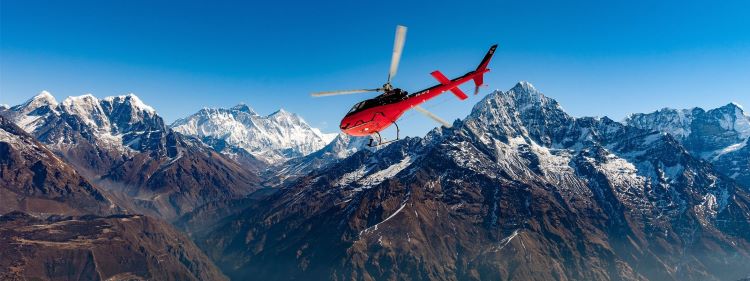
Everest Base Camp Helicopter Tour is a dream come true for every travel-loving individual out there. Imagine the feeling of the breeze from the Himalayas clearing the sublime views of the mountains all around you. Now that feel is closer than ever with this explore the Himalayas with Everest base camp helicopter tour taking you to the very base of Mount Everest. The moments at the top of the world is something to remember forever. With the mountains before you and the breathtaking views all around, enjoy being close to Shangri La now.

Helicopter tours in Nepal are all about highlighting the major delights of the destinations. The Everest base camp helicopter tour does just that precisely. Staring at the highest peak of the world and sharing the ground of the base camp with other mountaineers is special for anyone. From the hills and greenery taking off from the Kathmandu Valley to the rocky terrain of strips in Lukla, both landscape changes and delights come fast here. Next is a period for you to connect with Khumbu and Everest itself. The tour will come to end eventually, but the fantastic memories and moments of magic make the Everest Base Camp helicopter tour incredible.

Everest Base Camp Helicopter Tour: Major Attractions

  • Close views of the mighty Mount Everest (8848 m, the highest peak in the world.)
  • Flying over the actual Everest Base Camp (5364 m), overlooking the Khumbu Glacier.
  • Other Mountains of the Mahalangur Range namely Kwangde, Kusum Kanguru, Lhotse, Nuptse, and Ama Dablam.
  • Landing at Kala Patthar (5545 m), one of the best natural viewpoints in the Himalayas to behold Everest.
  • The route to Lukla showcasing the diverse geography of Nepal.
  • Breakfast at the beautiful Hotel Everest View Hotel with the whole extent of a snow-covered mountain range in the background.
  • Picturesque landscape and natural sceneries throughout the tour.
  • Adventure packed landing at the Lukla airport for the first glance of the Lower Himalayas.

Trekking vs. Helicopter Tour of Everest Base Camp

For several years Everest Base Camp has been one of the best trekking destinations in the world. The trail here attracts thousands of adventure trekkers out there. There was no other choice to be near Everest other than the long trek for a long time. But that changed with the introduction of the Everest Helicopter tour. So what are the key differences here?

Well, for starters it is best for those who have limited time in hand. Many people can’t just spare a couple of weeks to complete the Everest Base Camp Trek. Secondly, the fitness required here is quite much. Walking several days over 4000 meters is not as simple as it sounds. It doesn’t matter how great it is if you can’t do the trek. Helicopter Tour has now given the freedom to travelers to reach Everest within a day and make some mesmerizing memories.

 Heli Tour with Trekking: Everest Base Camp Helicopter Trek 

So, what if you are a trekking-lover and want to choose the tour as well here. We’ve got your back here. You can do the trek as it is meant to cover the main trail of the Everest Base Camp. From Lukla to Kathmandu and vice-versa is the segment you can do with Helicopter with other major delights that domestic flights might miss.

Helicopter tour – Best time

The most interesting component about the Everest base camp Heli tour is that you can do it throughout the year given the weather is fine. For travelers, the best time will be autumn and spring but the other period will also do just fine. In these months, the views are clearer and the mountain flowers will make the journey more amazing. You will be doing the tour starting in the early morning. In the mountains generally, the weather is very much favorable from morning till noon too. So, grab your tickets and enjoy the thrilling ride to Everest throughout the year.

Mountains and major natural landmarks visible

The Mount Everest Base Camp helicopter tour has so much more going on apart from the obvious sites and mountains. Here is a list of major mountains and attractions to look forward to for your trip.

Top Sights in Mount Everest

Mount Everest (8848 m): The highest peak of the world and the main focus of this helicopter tour. You can enjoy this peak from different angles and faces throughout the tour.

Mount Lhotse (8516 m): Jointly visible to the right of Everest is Mount Lhotse, the fourth highest peak of the world. It is the clearest of the three peaks near Everest too.

Mount Nuptse (7861 m): It is the peak directly to the west of Lhotse and Everest. With seven summits each with a different name, this broad mountain is fantastic to look at.

Pumori (7161 m): It is also known as the ‘Daughter Mountain’ and is slight to the west of Nuptse in the Nepal-Tibet Border. For the most part of the year, Mount Pumori is completely covered in Snow.

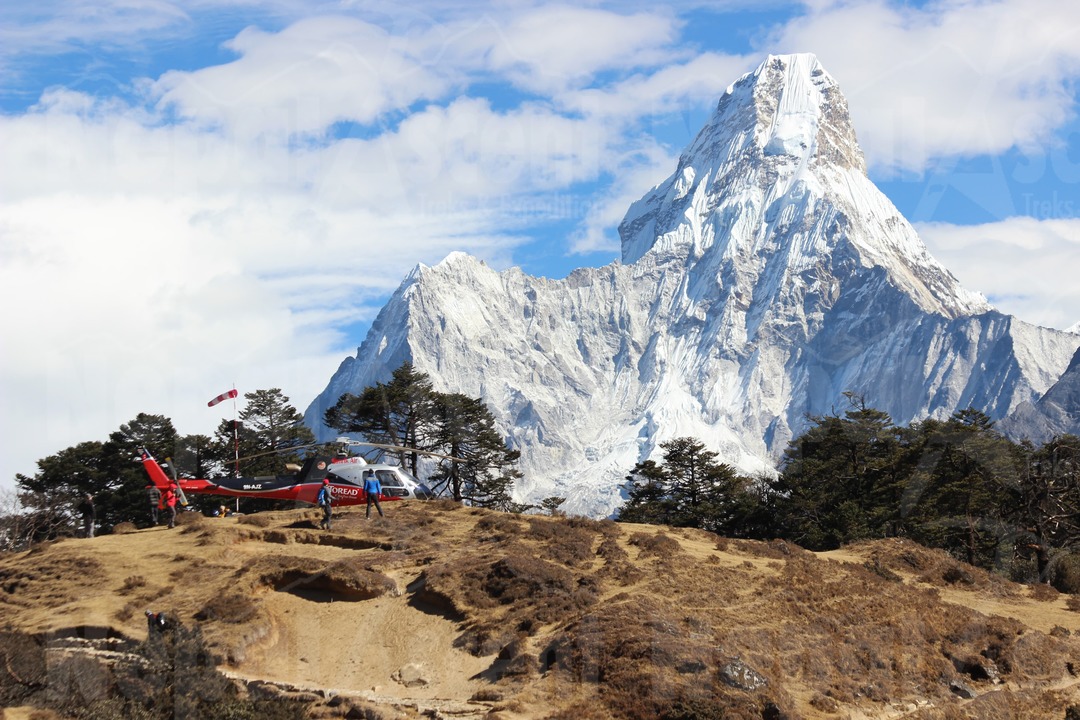
Ama Dablam (6812 m): This beautiful peak is one of the most picturesque mountains of the Khumbu region. Ama Dablam looks like a mother’s arm embracing her children.

Similarly, you can also enjoy the distant view of Langtang Lirung, Cho Oyu, Shishapangma, and Gaurisankar Mountains here. Other major landmarks apart from mountains are: –

Everest South Base Camp: You will fly over the southern base camp of Everest in this tour. This was the very same camp that legendary mountaineers like Sir Edmund Hillary and Tenzing Sherpa used during the first successful summit of Everest.

Kalapatthar Ri: Kalapatthar is the highest point of the Everest Base camp Trek and you will land near the top here during the tour. It is time and again given the title of one of the best viewpoints in the world to glance at Mount Everest.

Gokyo Lakes: Gokyo Lakes is a complex of five beautiful glacial lakes alongside hundreds of smaller ones near the Everest Base Camp. These lakes are a very closely visible and fantastic attraction of your helicopter tour.

Khumbu Glacier: Khumbu Glacier is a large mass of glacier between the Lhotse-Nuptse ridge and Mount Everest. It is officially the world’s highest glacier at elevations ranging from 4900 to 7600 meters.

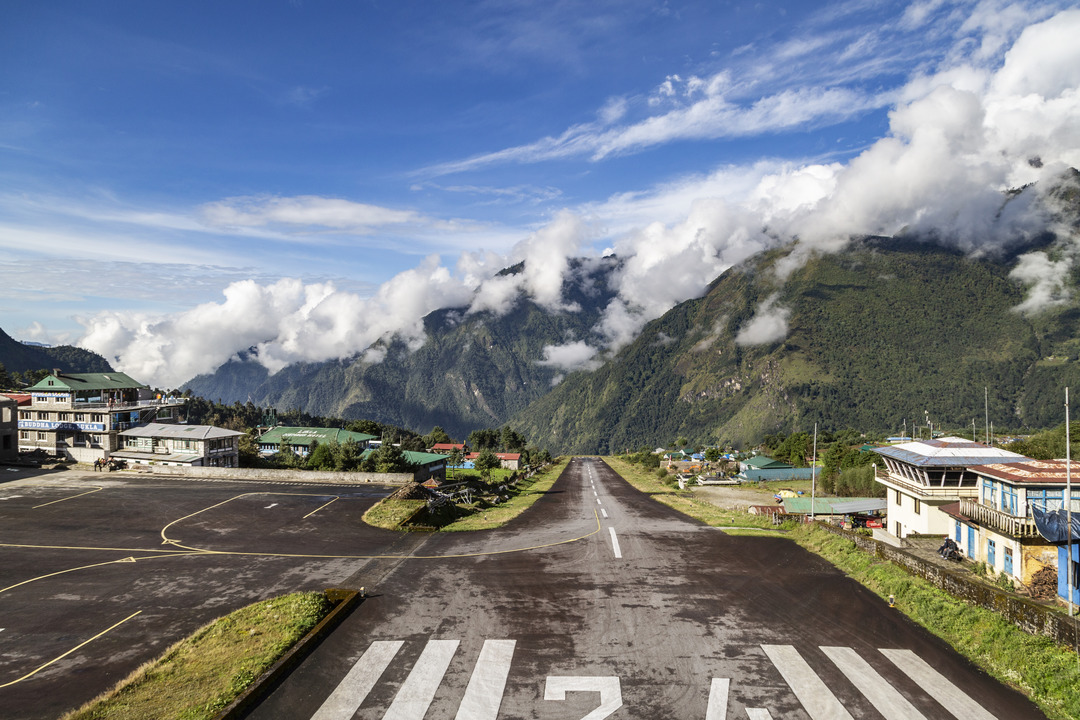
Lukla Airport: One of the most thrilling air airports around the world. It is also known as the gateway to Mount Everest and is the trailhead of the Everest Base Camp Trek. You’ll make a quick refueling stop here.

Everest Helicopter Tour: Safety Precautions 

Safety precautions for the Helicopter tour Everest base Camp mostly constitute the weather factors. You have less to worry about here as the flights are not allowed until the weather is completely favorable. For most days the forecasts are spot on and you can smoothly do the tour. However, in some cases, you can have major delays and postpone the lights due to bad weather. Always talk about their factors with your tour operators as the airport wouldn’t take any chances for your safety.

As for once you have started the tour there are a few other precautions. If you are landing during snowy conditions, the surface might get slippery in different locations. It is in the best interest of all not to wander far apart from the dedicated sites. Similarly, it is very rare to get altitude sickness in the short time you have been there but in case of symptoms evacuating is the best decision.

Everest Heli Tour: Dressing Advice 

Wearing warm clothes is necessary as it is better to be safe than sorry. We suggest you carry or wear a fleece jacket with a wind cover. Woolen caps and scarfs might be needed in winter times. Boots are more favorable but you can break into your comfortable shoes with good grip. Also, having a cap and sunglasses will make your tour more comfortable. Get your cameras and an extra battery with you. It will be a pity if you can’t capture every bit of the moments here. Last but not the least, warm gloves are great to play a while in the snow if you fancy yourself doing so.

Mount Everest Helicopter Tour: Things To Do

Enjoy the Sceneries

Just lose yourself in nature and everything that comes with it during the Everest Base Camp Heli tour. From small hills to riverbeds, and rocky-mountains to snow-covered peaks, you can enjoy them all here.

Peek at the local culture and lifestyle

In the small intervals while you are near locals take a look at the lifestyle, art, traditional attire, as well as cultural diversity here. You wouldn’t have the time like in the Everest Base Camp trek but one can spot the changes and challenges of surviving in the high Himalayas.

Take some pictures before the Mount Everest

If you are a photography lover, you are in for a treat. The tour will offer you some of the best settings to get absolutely majestic pictures. One of the best places is before the South face of Mount Everest from Kalapatthar.

Name your favorite peak of the tour

You will be looking at over a hundred amazing small and big mountain peaks on this tour. Ask your guide about them and rename a peak for yourself. It will be a wonderful experience and you will forever remember that mountain on this tour.

Enjoy the Himalayan breakfast at Hotel Everest View

With everything done and dusted enjoy the luxury of having a good breakfast in the Himalayas. Once named as the highest hotel in the world this breakfast will have bonus panoramic views of the Mountains to enjoy too.

Everest Base Camp Helicopter Tour: FAQs

What to do in case of bad weather?

In case of bad weather, there might be delays and even no flights. In this case you will get full refund. or you can postpone your tour.

Should one be concerned about altitude sickness during this Helicopter tour?

Altitude sickness must be the least of your concerns for the tour. You will spend less than half an hour at the extreme altitude of over 5000 meters. Apart from that, you will have a couple of stops in reasonably good elevation.

What is the maximum number of people to share the Helicopter?

In a single helicopter provided here, you can travel five people at a time.

Can I be assured of the experience of Pilots and guides for the tour?

Yes, for flying to Everest the pilots must have years of experience and advance license too. As for the guides, they are well-informed about all the components of your tour and are likely to have done it over a dozen times before.

Is the Mount Everest Everest Heli tour worth the money spent?

100% yes here. Not only you will be completing the tour much cheaper than the Everest Base Camp trek, but also you can save a lot of time. These kinds of opportunities are rare to get and the helicopter tour here just makes your time in the Himalayas special.

What can I do instead for a group or a long family tour?

You can either take separate consequent tours here or take a mountain flight instead to Everest. These will comfortably hold almost a dozen travelers at once.

Advantages of joining a group vs. chartering a helicopter to Everest Base Camp

If you join a group the cost will be less and you can share the guide available too. For private charter the cost is high but you will have the whole helicopter and guide for yourself here.

Should I have additional permits/clearance for this tour?

The only permit here will be the one to enter the Everest National Park. It is 30 $ per person and is most likely included in your initial tour cost.

What other helicopter tours can I combine to do with the Everest Base Camp tour?

You can add other different helicopter tours to the Everest one. It is not in a single day but you can do it successively. The Annapurna Heli Tour and Gosainkunda Heli Tours are our top recommendations.

How many stops will we get on this whole tour?

There will be three stops between the take-off and landing back at the Tribhuvan International Airport (TIA). First for a quick refuel at Lukla, second approximately half an hour in Kalapatthar, and the last one the breakfast in Hotel Everest View.

Everest base camp helicopter tour is worthy of being on your bucket list. In this once in a lifetime adventure, enjoy every moment and soak in the beauty of the Himalayas.

10 Facts about Manaslu Circuit Trek

Manaslu region is one of the most beautiful places in the world. With a magical trail going through the Himalayas, the Manaslu trek is a phenomenal adventure. There is so much of nature, culture, and history, one can easily add Manaslu trek to their Bucket list too.

Even if you have completed Everest and Annapurna, the Manaslu trek comes with some new things for you. Unlike these complete trekking, the circuit is recent in Manaslu. With less commercialization, one can explore the true beauty of Manaslu. The raw trek is fantastic. Your feats of travel will reach new limits. Trekkers of any background or level can admire the captivating features of Manaslu trek. Be one of them. Manaslu will make you a responsible traveler with memories lasting forever.

Manaslu might not be everyone’s cup of tea. It is comparatively remote and somewhat difficult. However, with a proper guide, you can complete the Manaslu trek with relative ease. Ask anyone who’ve done it and your desire to witness these yourself will grow further. So, if you are looking forward to your adventure in Manalsu; here are 10 facts about the Manaslu trek you didn’t know before.

What are the 10 Facts about Manaslu Circuit Trek:

1. It is a great Off-the-beaten-path trek

You might often hear that Manaslu trek is different than others. We give it the title of the ultimate off-the-beaten-path trek in the Himalayas. There are few others but nothing even comes close to the completeness of the Manaslu trek. For a trek to be a good off-the-beaten-track it must:-

  • Be visited by less no of visitors
  • Not affected by too much of outside affairs
  • Provide the raw experiences of the place it is located

All these points are checked with Manaslu Trek. Despite being home to the eighth-highest mountain of the world, trekkers both on and off-season are not overwhelming. Although tourism is growing in the region, there are enough local businesses to sustain the area for itself. Trekkers can also witness much of nature and culture here. It might be common for most Himalayan destinations. However, the trail itself here allows you to dive deep locally. Similarly, many major destinations here lies near the main path. So, you don’t have to look for Manaslu, Manaslu comes to you during this trek.

2. Manaslu Trek is filled with unique cultural experiences

Nepal is a nation of diverse cultures, ethnicity, lifestyle, and more. Whenever the talks come about the Himalayas Sherpas are the most talked-about people. Rightly so for the Everest region. However, as for Manaslu, there is so much more for trekkers to experience.

It is no secret that the Manaslu region is among the most rural regions of Nepal. Hence, the trek here starts from a small settlement rather than a big city. Secondly, you will enter the villages and local trails straight from the start of the trek. Yes, no more walking on roads, directly into a proper trail. All the villages you’ll pass through next are a small bubble of cultural delights on their own. The hills welcome you with the usual Nepalese mixed population. The Gurung and Tamang regions with pockets of Brahmin, Chhetri and others. As you go higher the people, their culture and lifestyle change too. Nearing the border you can clearly feel the Tibetan influence here.

You might stay someplace here for some days to connect well. However, the brief moments you will gather in the shortest of stops will warm you up here. Within the obvious struggles there lies a joy of being able to express. And trekkers can unlock these gifts here in the course of the Manaslu Trek.

3. This Trek has the most balanced trekking days

People usually have their own itineraries for different treks in the Himalayas. The best thing about Manaslu trek comes right here. You can follow the general itinerary and explore every bit of the trail. Similarly, professionals can have their own go at the itinerary that fits best. These are all possible because of the balanced trekking days in Manaslu. You can split the whole trek and formulate uniform walking distance easily. Similarly, the elevation gain is gradual except for the Larkey Pass day here.

Despite being a fantastic off-the-beaten-track trek, you have minimal complications while trekking in Manaslu. Trekkers with the heart and dedication can enjoy the trek to the fullest. During the challenging trail section, you can afford to use more time and comfortably gain it later without affecting the whole trek. Acclimatization is very important in the high mountains. You can choose the place strategically and get many side trips instantly here. Similarly, trekkers taking cultural and spiritual breaks during acclimatization is also common.

Manaslu trek is not easy but it is very manageable with smart planning and effort.

4. Larkey La Pass is the longest mountain pass in the Himalayas

Larkey La Pass stands at an elevation of 5106 meters. It is the highest point of the Manaslu trek. Larkey La might not be the highest passes out there but it will not fail to amaze you. Similarly, it is among the longest Himalayan passes. For trekkers to start from Dharmasala and reach Bimthang on the other side it takes around 25 km. On a difficult terrain and high trail, Larkey La pass is your main challenge. The climb up to the pass in particular can push your limits.

No matter how difficult it might seem the feeling once at the pass is surreal. Tears of joy are common among fellow travelers. Trekkers often compare the view from the top to that of different amazing viewpoints in the world. You might only need a couple of hours for the downhill. But, it is a bit of a challenge due to exhaustion. However, once you hit some good trails below, you can enjoy another side of the Manaslu trek. Small lakes and ridges act as a bit of Shangri La itself. Geographically it connects the area of Annapurna CA with that of Manaslu. Hence, more to look forward to trekkers as you complete this breathtaking mountain Pass.

5. You’ll Trek though over half a dozen different climatic regions 

Trekking in a different landscape each day is the signature trek of any trek in the Himalayas. However, it becomes more obvious during your Manaslu trek. Your starting point is Soti Khola. It is located at the center of the Gorkha District. Hence, you will begin the Manaslu trek at mere 700 meters of elevation. Passing through sub-tropical jungles you will start to gain elevation. Gradually leaving the sub-tropical trails trekkers then enter patches of the temperate zone. Your first acclimatization break might be near the entering area of the arctic climate.

The whole region changes drastically as you will find less forest and more barren sections. Shrubs and sparse stretch of the coniferous forest will lead trekkers in the snow-covered regions. Resembling the arctic weather and landscape you will do the mountain pass and continue ahead. During all these, you can also trek in the rain shadow region of the Manaslu peak for some time here. To summarize it all, completing the Manaslu trek means overcoming almost all climatic regions of the Himalayas. You are ready for any trek if you comfortably finished this glorious trek.

6. Some of the best-restricted area trails falls under Manaslu Trek 

Manaslu Trek has almost all of the trails inside the Manaslu Conservation Area. However, after crossing Jagat you’ll enter the restricted section of your trek. It is the area given utmost priority by the Nepalese government for conservation of nature, culture, and other items of significance here. Many advantages are present in attempting to trek in restricted sections of the Himalayas. It gives you some of the raw trails for walking. Similarly, accommodation and settlements are completely local. To put it in simpler terms, you can get authentic Manaslu delights here.

Due to all these regions, solo trekkers are prohibited to do the Manaslu Trek. However, it is for your own good. In adverse weather or other unforeseen events, it is best to have someone knowledgeable with you. With at least two trekking members Manaslu trek permit is granted. You will also need a licensed guide familiar with trekking experience in Manalsu for trekking in these regions. A separate permit is required for the restricted area trekking. Obtaining it will be no big hassle once you have your guide fixed. Therefore, trekking in a restricted area is diving deep into one of the least visiting areas of the Himalayas.

7. You will join the Annapurna Circuit completing this trek 

Well as we have discussed above you will trek in the Annapurna CA after crossing the Larkey La Pass. You will in the last few days join the Annapurna Circuit itself. However, in a couple of sections, you will also cover the trail that doesn’t include in Annapurna. It is the special bit just for those doing the Manaslu circuit. From here you have an option to continue in the Annapurna Circuit to the Thorung La pass. This Ambitious trail is also known as Manaslu Annapurna Circuit trek.

Normally, you will join the trail at Dharapani and continue further to Besisahar. It can be done in two days while some also like to push it in a single day. Starting from the fantastic views of Manaslu, you will end it in equally amazing views of Annapurna. Passing by the trekkers here for the Annapurna circuit you can share some tips and stories as well. Besisahar which acts as the starting point of the Annapurna circuit will be the last trekking point for the Manaslu trek.

8. The mountain flowers here are of more variety than other Himalayan trails  

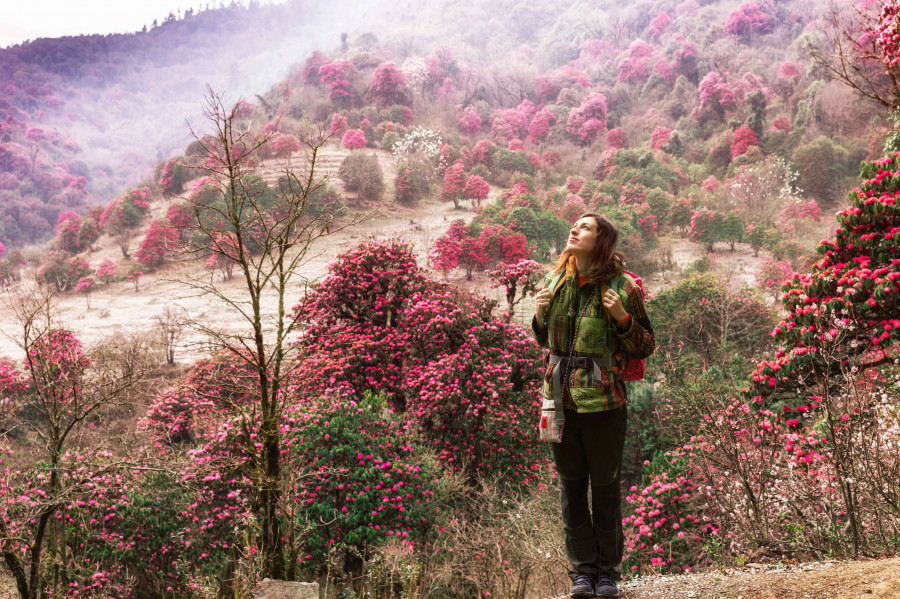
When you are trekking in Manaslu you will find a new flower each day. The picturesque terraced farmlands greet you in the beginning. Starting from the lush rhododendron painting the hills red, the fields of vibrant mountain flowers arrive. These gifts of nature are not the main reason for trekkers to be here. However, they provide the necessary boost to take a new step in this wonderland. Similarly, trekkers can encounter beautiful birds as well as rare wildlife while exploring the Manaslu Conservation Area.

9. The Gompas and religious shrines hold many interesting legends within them

Manaslu is the mountain of spirits. Your trek here will take you to some wonderful monasteries and shrines. Each of these has some alluring qualities for you. Some also have legends passed through generations that you might find interesting. Some of the major religious/spiritual destinations that you can’t miss in the Manaslu trek are: –

  • Pungen Gompa
  • Hinang Gompa
  • Serang Gompa

Similarly, if you include the Tsum Valley Milarepa Cave (Piren Phu), Mu Gompa, Gonhgye Monastery, Ranchen Gompa, and Dephyudoma Monastery are the must-see religious places.

10. The switch from Namaste to Tashi Delek and Back in the lap of the Himalayas

One of the most interesting transitions will be the greetings while doing the Manaslu trek. It might seem to be the slight change from ‘Namaste’ to ‘Tashi Delek’. But with these changes the culture and lifestyle of the people you’ll meet along the way.

The Namaste incorporates the Nepali hilly way of things. Simple architecture and the settlements of Gurungs, Tamangs, or any other hill tribes. Tashi Delek signifies the influence of Tibetan culture and is prevalent in higher elevations near the Nepal-Tibet border. With a slice of Tibetan architecture and lifestyle, it showcases the Himalayan lifestyle beautifully in Manaslu.

These are the ten things that you may have never known about Manaslu. Something about the trek and more about the region and locals, we bind these for your next Manaslu Trek.

7 Reasons Manaslu Trek is Better than any Other Treks In Nepal

Manaslu trek is one of the best treks in the Himalayas often passing under the radar of trekkers in Nepal. It lies between the Annapurna and Langtang region in the central Himalayas. Unlike many other trekking trails of Nepal, Manaslu trek takes you closer to the Tibetan border and culture in a short period. Beautiful Landscapes and friendly locals lead you to the base and beyond of the breathtaking Mount Manaslu.

Manaslu, ‘the mountain of the spirit’ is a special place to be. It is a more recent region opened for trekkers around the world. Hence, for those seeking the raw side of the mountains, Manaslu is ideal for you. What makes a trek special is a journey leading to the primary destination. The stories and memories that you recollect after completion are what formulates your next visit here.

The Nepalese Himalayas provide so many fantastic trails for trekkers to choose from. But in one way or another each have their unique qualities to applaud. Manaslu Trek is the same. From the hills, forest to alpine heaven and snow-covered passes, it represents the best of extreme trekking out there. Manaslu answers your tickle to experience the majestic Himalayas elegantly.

What are the 7 Reasons Manaslu Trek is Better than any Other Treks In Nepal

Here are 7 reasons proving the Manaslu trek better than different other treks in Nepal.

1. It is a complete trekking trail 

Many trekking trails in Nepal do something better and miss a few too. When it comes to completeness there is no better trek than the Manaslu trek. The scenery is epic. You will also trek through a diverse landscape. The encounters with beautiful flora and fauna are refreshing. From deep gorges to the high mountains, you get what you want here. The trek is neither too long nor short. Similarly, you can pretty much do any type of trek here. With a local guide, an adventure awaits here that fulfills you.

One other factor acting as an advantage here is that you will reach the trailhead by land. Unlike Everest or other treks, you don’t have to take a domestic flight. It makes your trip reasonably assuring. Similarly, the hill highway experience of Nepal is one to enjoy as well. The trek commences from the rural hillocks of Gorkha. As a circuit, you will end you at Besisahar. Hence, you will not have a walk on the same trail twice here. With the best of the cultural, natural, and adventurous components in a single trek, the Manaslu trek is a gem to complete.

Main components of the Manaslu Trek trail

  • Balanced walking days with longer days involving the high passes.
  • Acclimatization stops in strategic altitude. It is needed and the trail provides with few options as well.
  • Monuments and interesting destinations in the side trails.
  • Wildlife and vegetation reflecting the mountain ecosystem.
  • Cultural stops as the trail lead through some major villages and settlements of the Manaslu region.
  • Challenging sections for you to know the reality of trekking in the Himalayas.
  • Magnificent views especially at the time of sunrise and sunset.
  • Himalayan streams, waterfalls, and rivers adding to the beauty of the Manaslu trek.
  • Different trial to begin and end the trek. Therefore, there are some diverse cultures and landscapes to witness throughout the trek.
  • Well-managed portions with different variations of the itinerary that you can formulate here.

2. Less touristic region best for teahouse trekking

In comparison to the popular trekking regions, Manaslu sees significantly fewer tourists. Numbers show that for every trekker in Manaslu, there are five more in Annapurna and Everest. During the trekking season, one might miss the peaceful nature and seclusion. This makes Manaslu trek a perfect alternative to them. Even during the season, you can go hours on the trail without other tourists. This gives you more opportunities to interact with the locals and create special memories.

Fewer trekkers in Manaslu doesn’t mean any problem with the trail whatsoever. It represents other factors like popularity, flight options, and lack of luxury options. However, these make the trek better. Less popularity helps in maintaining Manaslu as the best off-the-beaten-track trail. Fewer flight options mean a scenic ride through Nepalese hill-highway to reach the trailhead. You can also enjoy a longer cultural experience traveling through much more of Nepal. Lack of luxury options leads you to experience the real Himalayas.

Teahouses are the perfect way of getting close to the local culture and lifestyle. Manaslu trek allows you just that. In the Himalayas, teahouses provide food and Accommodation. Although, it is only basic services one can feel at home here. Apart from the lower regions, you will trek and stay at tea houses for most of the trek. Even for solo travelers, a teahouse is a perfect way to end the day walk. Sharing stories with locals as well as fellow travelers you can feel alive.

Advantages of Teahouse trekking

  • A cultural experience with everything locally managed and operated.
  • Experience the hospitality and love of the teahouse owners during your stay.
  • You can also aid the local economy with teahouse trekking.
  • Chance to taste local cuisine and organic products.
  • Teahouses are more than just business in the Himalayas.
  • Budget-friendly option to other alternatives
  • Communal dining rooms help you to socialize better with fellow trekkers.

3. Mount Manaslu and other majestic peaks of the Himalayas

Mount Manaslu(8163 m) is the major attraction for anyone doing the Manaslu trek. It is the eighth highest peak in the world. ‘The mountain of spirit’, Manaslu is also one of the most picturesque mountains of the Himalayas. Although for mountaineers the peak was well-known for the most part of the past century, trekking is an only recent activity in the limelight. Trekking is the best way to view this magical mountain in its full glory.

Alongside the magical Manaslu, there are few more majestic peaks throughout your trek. During the Manaslu trek, you will trek about 110 miles in the mountains. Each section of the trail offers you a different side of the snow-capped peaks. Trekkers often love to pick their favorite mountain of this trek. Once you are in higher elevation each peak offers you with their own wonderful stories. These peaks make your journey easier each day.

Other Beautiful peaks in the Manaslu trek

Himal Chuli (7863 m): – Just under the 8000 meters mark Himal Chuli is a beautiful mountain. At 7863 meters over sea level, Himalchuli is also the 18th highest peak in the world. It lies south of Manaslu. It has three peaks all over 7000 meters.

Ngadi Chuli (7858 m): Also known as Peak 29 or Dakura, Ngadi Chuli is breathtaking. Standing aside Mount Manaslu is the third highest peak of the Mansri range. Ngadi Chuli is the twentieth highest mountain in the world. It has made its name among extreme mountaineers. Peak 29 has only climbed twice successfully.

Siringi Himal (7165 m): – Siringi Himal is a sub-range in the remote sections of the Manaslu. It is a beautiful massif best viewed from Samdo village of the Manaslu Trek.

Apart from these, there are over a dozen peaks over 6500 meters in elevation here. Also, the Ganesh Himal range and Annapurna massif can be clearly viewed from different segments of the Manaslu trek. Mountains define the Himalayas and the Manaslu region is just packed with these.

4. Cultural abundance with diverse experiences 

Starting from the Gorkha district, Manaslu trek is a paradise for culture aiming trekkers. For those treasuring the people and experience more than anything, look no further than here.

Beginning your journey you will meet the general Nepalese people of all ethnicities. As you walk higher, the village/settlements get less frequent. You will enter the Gurung villages first. The Nubri and Tsum people follow those who are the original settlers of the region. Nearing the Tibetan border you will encounter the Bhotias. The return is also exciting with pockets of different ethnic groups here. We suggest you plan your trek during the festivals at Manaslu. These times are the best to experience the culture and lifestyle clearly in the mountains

Major festivals of the Manaslu region

Lhosar

It is celebrated for over a week in the region marking the Tibetan New Year. Lhosar is the major festival of the Himalayas. It showcases unity and happiness with different rituals and celebrations all around. It might fall between January and February depending on the Lunar Calendar.

Saka Dawa

Saka Dawa is a religious festival celebrating the major events in the life of Lord Buddha. It remembers the birth, enlightenment, and Parinirvana. Locals of Manaslu celebrate Saka Dawa with different rites gathering in the Monasteries and holy sites. One can get insights into different aspects of Tibetan Buddhism during this festival.

Dhaching (Tsum Valley)

Dhaching is an important festival celebrated in selected few settlements of Manaslu. It is popular for different dances and horse-sports conducted during the festival. Dhaching is organized for the welfare and happiness of the people here.

Dashain and Tihar (In lower region)

The national festival of Nepal is celebrated in the lower region of Manaslu. Although not the specific festival of Manaslu, you can plan to end your trek during the festival.

Nara and Fanning are the other festivals celebrated with joy in the Manaslu region. For a cultural Himalayan experience, the Manaslu trek is ideal.

5. Challenging and spectacular Larke La Pass (5213 m) 

Manaslu trek is not your easy trek. The circuit is located in the remote part of the Nepalese Himalayas. It is the main reason adventure lovers love to revisit this region. However, it is not too difficult. With a proper team, every beginner can do it safely. The key is to plan it early and trek in the trekking season.

High altitude and steep segments will give you a proper taste of trekking in the Himalayas. Trekkers can plan a long itinerary here. Some might even last a month. Similarly, for advanced trekkers, the trek is doable in fewer than two weeks. With all these exciting factors, Manaslu entices adventure lovers all over the world.

Larke or Larkya La is the highest point of the Manaslu trek. It is the longest mountain pass of the Himalayas. With such a reputation, it stays the ultimate challenge for the trek. Starting very early in the morning is important for trekkers. This will avoid change in weather past noon in the High Himalayas. Gradual uphill towards the top and quick descent to Bumthang is the popular formula for the pass. From the top, however, you can enjoy a sublime view of mountains all around you.

6. Diverse landscape and vegetation 

The Himalayas is a place to delve into your soul and view the beauty of nature. Manaslu is a place to stop for a while from your everyday hustle. It would be boring to walk miles in a single surrounding. Well, every day presents you with a different view and landscape here. Manaslu has been unsoiled throughout all these years. One can stray in the beauty here unlike any other place in the Himalayas.

Manaslu trek starts from the tropical and subtropical hills. The trail then eases through the temperate zone. You will take an acclimatization stop in the subalpine region. The landscape starts to get completely different from here. This transition leaves you with beautiful wildflowers. Similarly, the wildlife encounters are often with beautiful birds of the Himalayas. You can spot Danphe, the national bird of Nepal if you’re lucky. The alpine zone offers magical sunrise views next. By the time you are the Larke La, you will be trekking in the arctic region. With all these and more, there is no doubt about Manaslu being a complete Himalayan trek.

7. Plenty of exceptional side trips 

All side trips in Manaslu are of great quality. There are a few fantastic ones as well. Photography lovers will love to do each one of these. Side trips are also great for Acclimatization. Here are few beautiful side trips in the Manaslu trek.

Phungen Gompa

Phungen Gompa is the most significant monastery around the Manaslu region. It is located around 4050 m altitude. You can do an acclimatization hike here from Samagaun. The views are fantastic from yak pastures around the Gompa.

Manaslu Base Camp (4900 m)

It might come as a surprise but Manaslu BC is not the primary destination of the Manaslu trek. It might be because the views are well visible from many other places before. But a day side trip from Samagaon will lead you here. The views are unobstructed over the sea of clouds from the Manaslu BC.

Hinang Gompa with Himalchuli Base Camp

The side trip to Hinang Gompa is an early one from Lihi village. The Gompa is a popular one for holding festivals and religious occasions. From here it is a steep hike to the Himalchuli base Camp. The views of Hinang glacier and Himalchuli are outstanding from this section.

Birendra Tal

Birendra Tal is a beautiful natural destination within a short hike from Samagaon. Trekkers love to be here for sunset views. It is easy as it takes only 45 minutes to walk. Birendra Tal is also popular for the ice-water-dip challenge now.

Kal Tal

Kal Tal is one of our top suggested side trips accessible from the village of Pork. It sits at an elevation of 3600 meters. One can do a good 5 hour round trip best for sightseeing. The landscape view is picturesque with the Manaslu summit visible on the near horizon.

Manaslu is best experienced when you are there. These are some of the reasons you have to choose Manaslu over any other treks in Nepal. Be here and agree with us yourself.

Manaslu Circuit Trek Map

Further readings:

Best Time of the Year to Do an Everest Base Camp Helicopter Landing Tour

Everest base camp helicopter Landing Tour is an exemplary traveling experience in the world. For over a decade now it has been well above all other similar trips that the Himalayas has to offer. The mountains, landscape, picturesque nature, and everything that makes the Nepalese Himalayas so special is encapsulated in this day tour.

Right from the bucket list of adventure travelers comes this fantastic helicopter tour. Completing well in a day you are bound for some legendary action too. The plan is simple. Take off from Kathmandu, make the first stop in Lukla. From there the Himalayas shows itself in a majestic period over the Everest Base Camp. The second stop is Kala Patthar. One of the best views of Mount Everest awaits you here. After rejuvenating your soul here, the last stop is in the iconic hotel Everest view. Following breakfast and the return flight all, you have to do now to enjoy the moments and share them with your loved ones.

There are different trekking seasons for the Nepalese Himalayas. Technically you can do this tour throughout the year. As for those who want the very best of views, experiences, and luxury selecting the best time for the Helicopter tour is important. Here we have picked up the best time for travelers to do the landing tour of the Everest Base Camp.

Best Time to Do the Everest Base Camp Helicopter Landing Tour

The months of October and November are some of the best times to do this tour. There are few obvious reasons for that too. One of the most significant factors in Everest Flight is the weather. This period is known for being perfect with an almost certain clear sky. Similarly, if the Helicopter landing tour is delayed somehow, you are more likely to do that sometime later that same day rather than having to change the date.

Apart from these the mountains are just starting to get snow which is always great. Similarly, these months also signify the window between heavy monsoon and winter. Hence, you can complete the Everest Base camp helicopter landing tour without any hassle.

Now for the second-best time to do the tour, we will have to pick the time from March to May. You can witness the complete mountain experience with snow all around and the mighty peaks fantastic to look at. The lower hills are the major attractions too as the spring season brings out rhododendron flowers all over on the way to Lukla.

Off-season Helicopter Tour to Everest BC

Off-season here denotes either the heavy monsoon of extreme snowing in Nepal. This might be during the period of late June to August or from December to early February. However, don’t forget that helicopter tours do take place during these months. All that’s needed is a green light from different landing spots in Khumbu for it. So what can you expect if you are not there in a season? Well, for starters both Lukla and hotel Everest view is with few visitors and tourists. You are not guaranteed a clear sky but the views are often clear at least from Kalapatthar.

It is not like we are not recommending the off-season Everest Base Camp helicopter tour. It does have some charm and even advantages for you like the low price and easy availability of tours. However, in case you have options, it is best to do the Everest Base Camp helicopter landing tour during the best period.

General Itinerary With a Predicted Time Stamp

For every mountain flight and helicopter tours in the Himalayas, you are likely to do it in the morning. As the high mountains of Nepal are not known for the clearest of weather past noon. Everest BC tour here is no different. The ideal goal will be to be in the Kalapatthar viewpoint by the midpoint of it. Now for your advantage to do this during the season will be a wider period to enjoy for a helicopter landing tour. Here is a general itinerary for you.

5:30 am – Pick up from your hotel

First thing in the morning your transport and guide will meet you there. This time period could be earlier or later depending on the exact time of the tour. Also if possible it is wise to have tea and a light breakfast before your helicopter landing tour.

5:30 to 6:00 am – Drive to the Tribhuvan International Airport (TIA) to the Domestic Terminal

You have to be in the domestic terminal sometime before the take-off. This brief gap is beneficial in case of any official or unofficial complications here. Your guide will help you through a few steps required at the airport.
6:30 am – Boarding your Helicopter and Taking Off

After the clearance of everything from both TIA and Lukla, you are ready for boarding the Helicopter. A quick introduction with the pilot and few safety briefings later the tour begins.

6:30 to 7:30 – (45 minute flight to Lukla (10 minutes refueling break)

Heading up and over the valley your first phase of the Everest base camp helicopter landing tour commences. The first views are that of the hills and city. A few minutes later you can have a contrasting landscape view with the plains of Terai on the south and high hills to your north.

The views of white peaks start showing up in the distance. Your guide will name those peaks with added interesting facts. Several settlements and hills later you will be landing at the infamous Lukla Airport. Often considered as one of the most thrilling landings if, by plane, the airstrip is truly a wonder in the extreme geography of Khumbu.

The stop here is quick and you can get out for the air. As the trailhead of the Everest Base Camp Trek, you can see a lot of trekkers and locals here. About ten minutes after landing you are ready for the main part of the helicopter tour.

7:30 to 8:00 am – Fly to Kalapatthar via Pheriche landing

Once you take off from the Lukla airport you will take a quick tour passing by some major villages. The mountain landscape shows itself with the vast expansion of snow-covered rocky terrain. After 7 minutes or so you will fly over to the Everest Base Camp. Truly, a wonderful sight here you can see the camps placed and used by the actual mountaineers attempting to summit Everest. The next stop is the nearby peak of Kala Patthar.

8:00 to 8: 15 am – Ground time at Kalapatthar (approximately)

If you have chosen the Everest Base Camp helicopter tour, you will fly over the base camp and straight to Syangboche. However, the landing tour includes the breathtaking stop at the beautiful Kalapatthar. In a brief ground time here you can experience one of the best natural viewpoints to see the whole of the Everest Massif and more. As a site well over 5000 meters in elevation you are not advised to spend more time here. Take some pictures in this piece of heaven and get back in the Helicopter.

8:15 to 8: 30 am – Flight to Syangboche, (Hotel Everest View)

You will fly over the glaciers and Gokyo Lakes to the Syangboche helipad. Enjoy a lovely breakfast in the iconic hotel Everest view. It once held the world record title of being the highest elevation hotel in the world. The views of Everest and more from your spot is equally impressive here. Try some local snacks too while you are here as an added treat to your taste.

Breakfast break lasts between 30 to 45 minutes.

9:15 to 10 am return flight to TIA
Return to Kathmandu is also fantastic with several other views available for the travelers. The angle might be different but you can focus on so much more than the peaks on the way to Lukla.

Pick Up from airport and Drop Back to Your Hotel

After landing at the TIA, we will conclude the tour and drop you back at the hotel.

You might now understand the attractive completeness of the Everest Base Camp helicopter landing tour with the general itinerary. It is one of its kind for showcasing so much in such a small frame of time. This might look like a lot but at no time you will feel the rush and the tour will be smooth. A bang for your buck, this helicopter tour is sublime for sharing with your friends and loved ones.

Alternatives to Everest Base Camp Helicopter Landing Tour Everest base camp trek with helicopter return

EBC Trek with Helicopter return is exactly what it sounds like. It is a helicopter tour in the start turning into a trek. After completing the trail and planned days walking you will return on a domestic flight back to Kathmandu. For those with more time and wanting to have a complete experience, this trip is ideal. In comparison to a regular trek, you can enjoy the scenic Himalayas from different angles and distances. Similarly, from a normal helicopter tour, you don’t have to take the trekking part out of the tour.

Everest Base Camp Trek

Everest Base Camp Trek is the most obvious alternative to the Everest Base Camp helicopter landing tour. The preference and group of people choosing the trek over it is obvious. For example, time and fitness is the main factor playing to your to-have list. Nature photography lovers mostly enjoy taking on the trek. Also, the EBC trek is still one of the oldest and most chosen trekking trails that the Nepalese Himalayas has to offer.

Everest Base Camp Trek From Jiri

The Everest Base Camp Trek in some ways is the exact opposite of our helicopter tour here. In terms of length and efforts, and overall experience of a destination is uniquely delightful with both. It also happens to be one of the longest treks that Everest has to offer. However, the trail is iconic and now has been used locally for over a century. For trekkers interested to dive deep into the lifestyle, tradition, and culture of the lower to upper Khumbu region gradually Everest Base Camp trek from Jiri is up for grabs.

Mountain Flight Including Everest and Others

After all, these trekking alternatives here is something much closer to a Helicopter tour in Everest. Mountain flight is becoming one of the best adventure activities in the Himalayas. Like the helicopter tour, you will take a scenic flight overlooking the major mountains of the Himalayas. However, the helicopter tour still has an upper hand with multiple landing opportunities and additional delights. On the other hand, for a larger group, the mountain flight might be your only option to enjoy in a single go.

Extra Delights for Those Doing EBC Helicopter Landing Tour

  • Best weather is almost guaranteed each day during these times.
  • Opportunity to witness the diverse geography including the riverbeds, hills, and mountains in a single tour.
  • Alongside Everest, you can also have a clear view of four other peaks over 8000 m. They are Mount Makalu, Lhotse, and Cho Oyu.
  • The best time to be at Kala Patthar too. Either by trekking or with the helicopter landing tour.
  • Picturesque backgrounds and landscapes clear up every time. This is possible when you do the tour during the best period of the year. i.e., October and November.
  • Apart from the high mountains this trip will take you close to other beautiful mountains like Ama Dablam, Cholatse, Thamserku, Lobuche, and more.
  • Vibrant colors showcasing the settlements, monasteries, Mani walls, and different aspects of the Khumbu region from the chopper.
  • Gokyo Lakes, glaciers, icefalls, and so much more is visible very clear if the tour is done at the stated time too.

So, here it is all and even more in for the helicopter tour of Everest Base Camp. The world has just been different over this period and this tour is perfect for starting everything all over again. Witness the sunrise in the Himalayas and the moments on the lap of the mighty Everest during your next vacation in Nepal.

Remote Trekking Destinations in Nepal

Nepal is the land of the Himalayas, the high mountain peaks soaring amidst the unbeatable combination of natural beauty and cultural richness in the far-flung settlements. Trekkers and adventurers from around the globe visit Nepal to experience the amazing walking journey to view impressive sights of the snow-capped mountains. The number escalates yearly; while most of them join the prominent Everest and Annapurna treks, some look for remote trekking destinations in Nepal Himalayan territory.

Tamang Heritage Trek

A special feature of the Tamang Heritage trek is that it endorses ‘home-stays’ rather than tea-house accommodations. It is a great opportunity to learn about the local culture staying with a typical Tamang family. Spending nights in stone and wood-carved cottages with communal kitchen, dining room and sleeping areas is an infrequent experience. This amazing journey kicks off at a small village of Syabrubesi and takes travelers through lush green valleys and hillsides in the Langtang region. The highlights of Tamang Heritage Trail include exploring hot springs of Tatopani, discovering carved houses of Gatlang village and a visit to the divine Hindu lake, Parvati Kund. Peeping at some of the spectacular mountain views of Langtang from the viewpoint at Nagthali is a marvellous moment. The trek can be completed within 5-7 days passing through the Tamang villages high in the mountains. This trek is an opportunity to taste some of the authentic local meals whilst on a home-stay break.

Kanchenjunga Trek

Almost everyone wants to walk to the base of the world’s highest peak, Mt. Everest, but there are many other beautiful under-rated treks in Nepal. How about trekking to the base of the world’s third highest peak and the second highest in the Himalayas? Kanchenjunga trek is also a culturally rich walking journey where trekkers encounter the ethnic Rai and Limbu settlements. The Yalung Glacier along with beautiful rhododendron forests provides an awe-inspiring moment during the trek. The walking adventure begins in Taplejung, in the eastern region of Nepal Himalayas. The whole trek revolves around the tales of Mount Kanchenjunga itself. It is believed to be the abode of goddess Yuma Sammang where treasures of gold, turquoise, salt, sacred images, invincible armors, and other precious stones are preserved. It is also rumored of an immortal valley hidden on its slopes.

Tsum Valley Trek

Tsum Valley Trek is another off-the-beaten-path trek in Nepal that remained isolated and restricted until 2008. The valley lies on the northern part of the Manaslu region which is still less traveled and much more remains to be explored. The journey begins at Arughat which is divided into two parts with Budhi Gandaki flowing between them. Passing through green alpine forests and beautiful glacial rivers in this mysterious valley, travelers get some close views of Himalayan peaks such as Ganesh Himal, Sringi Himal, and Boudha Himal. Besides the natural wonders, one can explore and get acquainted with the cultural beauty of this region. Visiting the ancient Gompas including Rachen Gompa, Mu Gompa, and Dephyudonma, one can enjoy the warm hospitality of the friendly local people. For frequent travelers on other trekking routes of Nepal, this region will amaze them since it is quite different and influenced by Tibetan dialect, art, culture, and religion. It was a part of Tibet during ancient times.

Upper Dolpo Trek

Upper Dolpo trek can take up to 28 days to complete! This is a perfect walking adventure for those who would like to spend a month holiday in the Himalayas. Enthusiasts will be trekking in the Dolpo region which is located between the Dhaulagiri ranges and the Tibetan plateau. The long exciting trek begins in Juphal, situated over the Himalayan foothills. The trek involves a visit to the largest conservation area of Nepal, the Shey Phoksundo National Park where one can capture mesmerizing pictures of wildlife including snow leopard, musk deer, and the Himalayan Blue Sheep. The sapphire lake of Phoksundo remains the integral part and the most beautiful landmark to visit in this trek. Also, there are several monasteries to explore in the surrounding. One may opt to take a Kora around the Shay Gompa to receive blessings for a successful journey. It was around the environs of Dolpo that the French Director Eric Valli shot the first Nepalese Oscar-nominated movie “Himalaya”. The movie depicted the lifestyle of the Upper Dolpo people and their traditional customs. Witnessing all those places and moments in real life, it is a fantastic opportunity for a closer insight into the cultural lives of the aboriginals of the Dolpo region.

Rara Lake Trek

Rara Lake Trek is one of a kind that takes tourists to less-traveled trails in western Nepal. The main highlight of the trek is the magnificent views of the biggest and the deepest freshwater lake of Nepal Himalayas, Rara Lake. The wonderful journey commences in Jumla, a beautiful village situated at the foothills of Sisne Himalaya. Travelers get to explore terraced farmlands and lush hills during the trek. One has the opportunity to visit the Rara National park which houses over thousand floral species and unique wildlife like yellow-throated martin, musk deer, and gaur in the region. Visitors can explore the beautiful Rara Lake, often regarded as the blue jewel of the mountains, as the blue waters are surrounded by many snow-clad mountain peaks. The trekking trail is quite “off-the-beaten” track filled with wilderness and solitude travel. The trek offers cultural and scenic glimpses along with a lovely walk through picturesque villages in the trans-Himalayan valley with high ridges, all the way leading up to the banks of Rara river.

Nar Phu Valley Trek

Nar Phu Valley Trek is one of the most popular trekking packages in Nepal. This trekking route is relatively new and opened for adventurers and travelers in recent years. Nar Phu valley is located in the north of Annapurna region of Nepal. The major highlights of the trek include ancient Tibetan culture and the amazing views of the Annapurna mountain range. The real walking adventure begins in Jagat after a long 7-8 hours drive from Kathmandu. The trail follows the Annapurna Circuit to eventually diverge at Koto village. The exciting trekking route even involves trekkers to pass underneath a waterfall. Walking through and exploring the two remote medieval villages of Nar in the west and Phu in the north is an exciting journey. The trek proffers a visit to the peaceful monastery along with glorious views of the Pisang peak in the region. Traversing through the challenging landscapes of the Thorong La pass, green forests of pine trees and then to eye-catching wide open yak pasturelands, is a wonderful experience to cherish for a long time. One can see amazing rock formations on the trail; the route continues to the beautiful village of Yak Kharka and Manang, including the sanctified temple of Muktinath.