
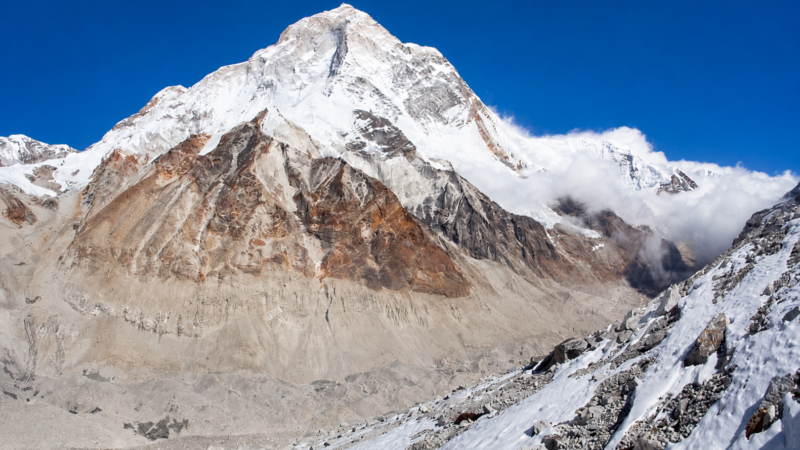
Makalu Base Camp Trek
 70 Reviews
in TripAdvisor
70 Reviews
in TripAdvisor


Makalu Base Camp Trek | Trip Overview
-
Duration 19 days
-
Trekking Days 15 days
-
Max Altitude Makalu Base Camp at 5,800 m
-
Group Size 2 – 15 Trekkers
-
Difficulty Moderate to Challenging (High-Altitude Trek)
-
Best Season March–May & September – November
-
Start/End Point Tumlingtar (770 m)
-
Accommodation Hotel | Tea House trekking


About The Makalu Base Camp Trek
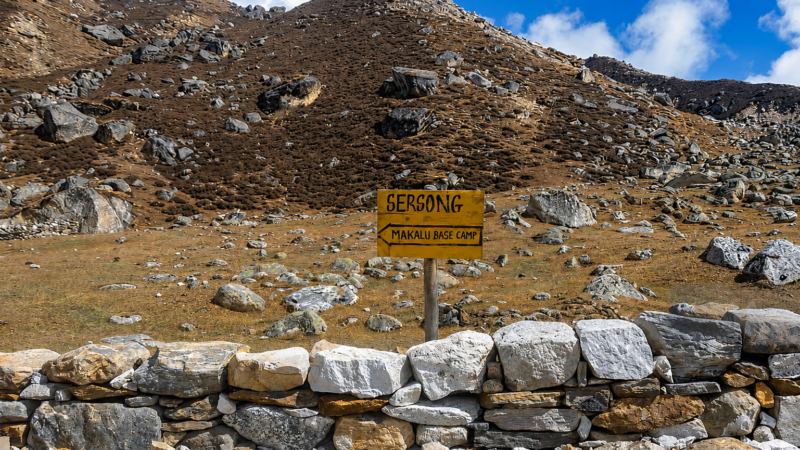
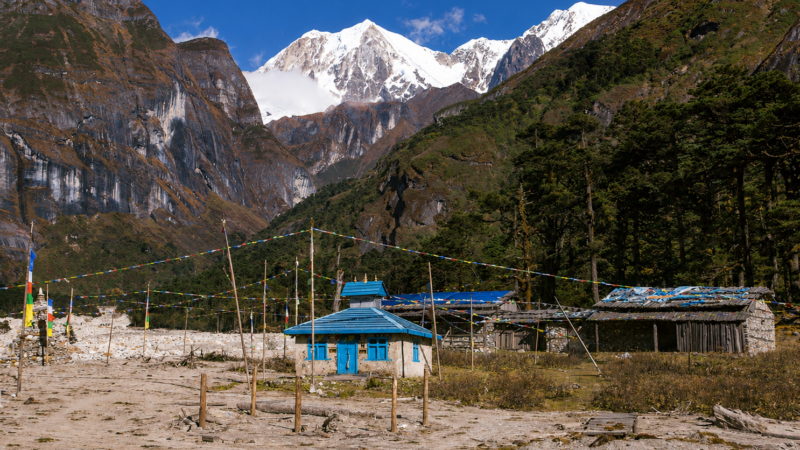
The Makalu Base Camp Trek is a fantastic 19-day trek which takes you to the base of the majestic Mount Makalu (8485m), the fifth highest peak in the world. It is from an undisturbed area of eastern Nepal, within the pristine Makalu-Barun National Park. The journey takes around 180 kilometers round trip, starting and ending in Tumlingtar, a short flight away from Kathmandu. The trail traverses remote villages, lush forests, and high-altitude terrain, offering a perfect mix of natural beauty, cultural experiences, and exploration of the Himalayas.
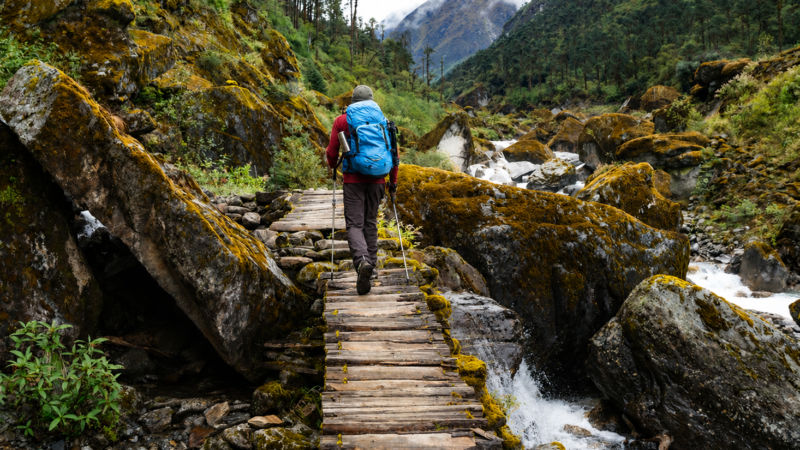
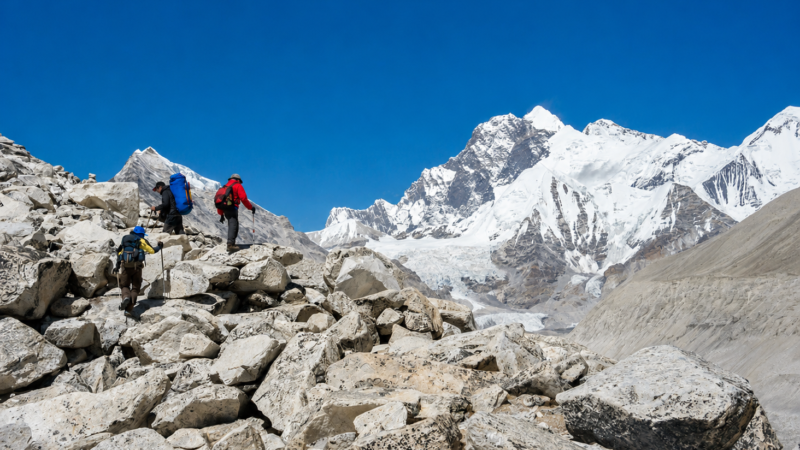
The Makalu Base Camp Trek is a fascinating hike in terms of its ecological diversity. This path passes through beautiful rhododendron forest, bamboo forests, river valleys and glacial landscape all in the midst of a protected national park teeming with wildlife and abundant biodiversity. The scenery gradually changes, starting with a rugged high-altitude landscape with towering snow-capped peaks as the journey continues. The trek to Makalu Base Camp at 5,800 metres requires physical strength and preparation, making it an ideal adventure for those who wish to experience the real wilderness and the nature of the area.
Spring (March-May) and autumn (September-November) are the peak seasons for the Makalu Base Camp Trek as the weather is most stable and the mountain views are best. The trek is perfect for a small group of 2-12 trekkers where some nights are spent in tea houses and others in the remote areas at camp. Being less developed, it has fewer visitors and trekkers experience a sense of solitude and authenticity which is rarely found in other parts of the Himalayas. Any trekking guide or trekker entering the region must get Makalu-Barun National Park Entry Permit along with TIMS card.
Makalu Base Camp Itinerary | 19 Days
Show All
Day 1: Kathmandu to Tumlingtar (Flight) and Drive to Chichila
-
 Accomodation: Tea House/Lodge
 -
 Meals: Breakfast, Lunch, Dinner
 -
 Elevation: 1,980 m / 6,496 ft
 -
 Duration: ~4 hours
Day 2: Chichila to Num
-
Accomodation: Tea House/Lodge
-
Meals: Breakfast, Lunch, Dinner
-
Elevation: 1,040 m / 3,412 ft
-
Duration: ~6 hours
Day 3: Num to Seduwa
-
Accomodation: Tea House/Lodge
-
Meals: Breakfast, Lunch, Dinner
-
Elevation: 1,500 m / 4,921 ft
-
Duration: ~6 hours
Day 4: Seduwa to Tashi Gaon
-
Accomodation: Tea House/Lodge
-
Meals: Breakfast, Lunch, Dinner
-
Elevation: 2,100 m / 6,889 ft
-
Duration: ~5 hours
Day 5: Tashi Gaon to Khongma Danda
-
Accomodation: Tea House/Lodge
-
Meals: Breakfast, Lunch, Dinner
-
Elevation: 3,500 m / 11,482 ft
-
Duration: ~7 hours
Day 6: Acclimatization Day at Khongma Danda
-
Accomodation: Tea House/Lodge
-
Meals: Breakfast, Lunch, Dinner
-
Elevation: 3,500 m / 11,482 ft
-
Duration: ~2 hours
Day 7: Khongma Danda to Dobato
-
Accomodation: Tea House/Lodge
-
Meals: Breakfast, Lunch, Dinner
-
Elevation: 3,500 m / 11,482 ft
-
Duration: ~6 hours
Day 8: Dobato to Yangla Kharka
-
Accomodation: Tea House/Lodge
-
Meals: Breakfast, Lunch, Dinner
-
Elevation: 3,557 m / 11,669 ft
-
Duration: ~7 hours
Day 9: Yangla Kharka to Langmale Kharka
-
Accomodation: Tea House/Lodge
-
Meals: Breakfast, Lunch, Dinner
-
Elevation: 4,410 m / 14,468 ft
-
Duration: ~6 hours
Day 10: Langmale Kharka to Makalu Base Camp
-
Accomodation: Tea House/Lodge
-
Meals: Breakfast, Lunch, Dinner
-
Elevation: 4,870 m / 15,977 ft
-
Duration: ~6 hours
Day 11: Explore Makalu Base Camp
-
Accomodation: Tea House/Lodge
-
Meals: Breakfast, Lunch, Dinner
-
Elevation: 4,870 m / 15,977 ft
-
Duration: ~3 hours
Day 12: Makalu Base Camp to Yangla Kharka
-
Accomodation: Tea House/Lodge
-
Meals: Breakfast, Lunch, Dinner
-
Elevation: 3,557 m / 11,669 ft
-
Duration: ~7 hours
Day 13: Yangla Kharka to Dobato
-
Accomodation: Tea House/Lodge
-
Meals: Breakfast, Lunch, Dinner
-
Elevation: 3,500 m / 11,482 ft
-
Duration: ~7 hours
Day 14: Dobato to Khongma Danda
-
Accomodation: Tea House/Lodge
-
Meals: Breakfast, Lunch, Dinner
-
Elevation: 3,500 m / 11,482 ft
-
Duration: ~6 hours
Day 15: Khongma Danda to Tashi Gaon
-
Accomodation: Tea House/Lodge
-
Meals: Breakfast, Lunch, Dinner
-
Elevation: 2,100 m / 6,889 ft
-
Duration: ~5 hours
Day 16: Tashi Gaon to Seduwa
-
Accomodation: Tea House/Lodge
-
Meals: Breakfast, Lunch, Dinner
-
Elevation: 1,500 m / 4,921 ft
-
Duration: ~5 hours
Day 17: Seduwa to Num
-
Accomodation: Tea House/Lodge
-
Meals: Breakfast, Lunch, Dinner
-
Elevation: 1,040 m / 3,412 ft
-
Duration: ~5 hours
Day 18: Num to Chichila and Drive to Tumlingtar
-
Accomodation: Tea House/Lodge
-
Meals: Breakfast, Lunch, Dinner
-
Elevation: 1,980 m / 6,496 ft
-
Duration: ~7 hours

Day 19: Tumlingtar to Kathmandu (Flight)
-
Accomodation: Hotel
-
Meals: Breakfast
-
Elevation: 1,300 m / 4,265 ft
-
Duration: ~50 minutes
Makalu Base Camp Trek Route and Map
The Makalu Base Camp Trek route starts in Tumlingtar and runs along the Arun River towards North where it joins the Barun Valley from East. The trail can roughly be divided into three parts: the lower part of the Arun valley through the subtropical forest and terraced farmland, the middle part through the Sherpa villages and Rhododendron forest, and the highest part of the trail through moraines and glacial landscapes down to the base camp.
Key Geographic Features Along the Route
- Arun River: one of the world's deepest river gorges, flanking the lower section of the route
- Barun Valley: a remote glacially carved corridor leading directly to Makalu
- Barun Glacier: a vast glacial field visible from Shershon and the final approach to base camp
- Kaike Khola and Barun Khola: major river tributaries crossed during the lower sections
- Shipton Col (optional technical extension, not included in standard itinerary): 6,100 m pass used by mountaineers
Altitude and Acclimatization on Makalu Base Camp Trek
The highest point of the Makalu Base Camp Trek is the base camp at 5,800 metres and the highest sleeping point of the regular trek is Shershon (about 4615 metres). Because of the difference in sleeping altitude to the summit altitude, the trekking time is carefully planned so that the trekkers only will experience extreme altitude on the last day of the trek.
Highest Sleeping Altitude vs Highest Point
| Location | Altitude | Role in Itinerary |
| Tumlingtar | 770 m | Trek start |
| Tashigaon | 2,070 m | Last village |
| Mumbuk | 3,570 m | Key overnight |
| Langmale Kharka | 4,410 m | First acclimatization camp |
| Shershon | 4,615 m | Second acclimatization camp |
| Makalu Base Camp | 5,800 m | Highest point (day trip) |
Role of Acclimatization Days
There are two dedicated acclimatization days in the program: first, at Langmale Kharka (4410m) and second, at Shershon (4615m). The first day, and the second day, trekkers go up and sleep down (standard) to a higher elevation. The extra rest days during the last leg to Makalu Base Camp help greatly to ensure that you do not suffer from any altitude-related illness.
AMS Symptoms and Prevention
- Headache, nausea, fatigue, and loss of appetite are early warning signs of AMS
- Descent is the most effective treatment for moderate to severe AMS
- Diamox (Acetazolamide) may be prescribed prophylactically but must be approved by a physician
- Adequate hydration (3 to 4 litres of water per day) helps reduce symptoms
- Trekkers should never ascend further if AMS symptoms are worsening
- Pulse oximeters are carried by guides to monitor blood oxygen saturation
Why Professional Guidance Matters at Altitude
Hypoxia can affect decision making at elevations that are close to 5,800 metres. A certified high-altitude guide will be trained to detect AMS, High Altitude Pulmonary Edema (HAPE) and High-Altitude Cerebral Edema (HACE) and know how to treat them immediately and effectively. The agencies are prepared to organize emergency helicopter evacuation from remote basecamp locations.
Why Choose Royal Holidays Adventure for the Makalu Base Camp Trek
The trek to the Base Camp Makalu in one of the most remote national parks is not one that can afford poor logistics or poorly trained leaders. Royal Holidays Adventure is a government registered Nepalese trekking company with the experience of operating in the Makalu-Barun region and has guided several tours to Makalu Base Camp and further.
Legal Requirements and Compliance
- Fully registered with Nepal Tourism Board (NTB registration number on file)
- All guides carry valid licenses issued by NTB or the Nepal Mountaineering Association
- Permit procurement handled entirely by agency; no risk of non-compliance
- Insurance coverage for all employed guides and porters in line with Nepal labor law
Safety Implications
The guide staff of Royal Holidays Adventure on Makalu route undergo refresher training every year in high altitude First Response. Each guided group leaves Kathmandu with an extensive emergency kit, extra oxygen, an altitude chamber (which can be provided upon request for large groups), a pulse oximeter for every two trekkers and direct communication with the Kathmandu-based rescue services.
Local Expertise
Whereas other agencies operate the Himalayan treks from their offices, the staff members of Royal Holidays Adventure have direct contacts with tea house owners, Arun Valley porters and permit issuing checkpoints on the trail. As a result of this local knowledge, logistics are resolved quicker, counsel is provided in a culturally relevant manner, and community benefits are realized via tourism revenue.
Sustainability
- Pack-in pack-out waste policy enforced on all departures
- Preference for locally hired porters and guides from Sankhuwasabha District communities
- Active support for national park conservation fund contributions
- No single-use plastic supplied in group kit; reusable water containers standard
Book Your Makalu Base Camp Trek with Experts
One of Nepal's most amazing and high-altitude treks is the Makalu Base Camp Trek, which takes you 19 days on an adventure in the wilderness, visiting the base of the world's fifth highest peak in the process of discovering a living biodiversity archive. It requires commitment, physical training and professional assistance. Royal Holidays Adventure takes care of all the logistics and safety factors, with a team that has first-hand experience in the Barun Valley.
Our licensed guides, organized acclimatization and end-to-end permit handling are all about you. From groups to private expeditions, our team offers you in-depth pre-trip briefing, customized packing list and direct emergency support during the trek. All our departures are supported by real time coordination from our Kathmandu operations desk. Call Royal Holidays Adventure today to find out when and how much your trek will cost and start your pre-trek consultation. There is a limited number of spaces available on each guided departure. Early registration also assures a position, enabling you to prepare as much as you can for what will be the most demanding and rewarding trek of your life.
Makalu Base Camp Trek FAQs
Find answers to the most common questions about the Makalu Base Camp Trek, including permits, itinerary, cost, and difficulty.
1. How hard is the Makalu Base Camp Trek compared to Everest Base Camp?
The Makalu Base Camp trek is a much more challenging trek than Everest Base Camp Trek. The maximum height is higher (5,800 m vs 5,364 m), terrain is more remote (less infrastructure), daily distances are longer on average, and there is no established rescue facility in the area, making any health issues more difficult to manage. Though the experience at Everest Base Camp is a good foundation, it is not enough for this trek.
2. Do I need a guide for the Makalu Base Camp Trek?
It is recommended, and for most purposes, necessary, to have a licensed guide. The path is not uniformly signposted; there are few tea houses and emergency assistance (without guide) is very hard to coordinate above Tashigaon. Independent trekking is not illegal in Nepal, but trekking along the route of Barun Valley, which is remote and at high altitude, is regarded as a high risk by the trekking industry in Nepal.
3. What permits do I need for the Makalu Base Camp Trek?
The two key permits needed to trek to Makalu-Barun National Park are Makalu-Barun National Park Entry Permit and TIMS (Trekkers Information Management System) permit. They must be purchased prior to entering the park. The permits are included in the package with Royal Holidays Adventure, and the trekking process does not involve the permitting system on its own. The cost is subject to the periodic revision by the authorities of Nepal.
4. What is the best season for the Makalu Base Camp Trek?
The two best seasons for this are spring (March-May) and autumn (September-November). October is the perfect month for mountain clarity and trail conditions. Rhododendron flowers in spring and there is pre-monsoon light. It is possible to trek in the winter, but at a much higher risk of snow and cold. This route is not recommended during the monsoon season (June – August).
5. How do I prepare physically for the Makalu Base Camp Trek?
Physical training must start at least 3-6 months before departure and include long-distance hikes with a heavy pack (12-15kg), running/stair training for aerobic fitness and building up strength in the quadriceps, hamstrings and core. This is strongly recommended and a preparation trek to at least 3500 m like Langtang Valley or Ghorepani Poon Hill trek is strongly recommended before the departure of Makalu Base Camp.
6. Is altitude sickness a serious risk on the Makalu Base Camp Trek?
Yes. Any track above 3,500 m can cause altitude sickness, and the final stretch of the Makalu Base Camp Trek is at 5,800 m. At extreme altitude, all three types of headaches may occur: AMS, HAPE, and HACE. To minimize this, there are two dedicated acclimatization days in the programme. Each group of the Royal Holidays Adventures has a pulse oximeter and supplemental oxygen. Trekkers should be ready to go down if symptoms appear.
7. What is the accommodation like on the Makalu Base Camp Trek?
From simple, basic, wooden bunk rooms at high altitudes seasonal camps to comfortable tea houses that have attached toilets in lower villages. Shared latrines, no heating in rooms and limited or no electricity above Mumbuk expected. A sleeping bag of minus 15 degrees or lower is required. The tea house system is very appropriate in lower areas but must have realistic expectations at greater elevations of over 4,000 m.
8. How much does the Makalu Base Camp Trek cost?
The all-inclusive package cost for the 19-day Makalu Base Camp Trek with Royal Holidays Adventure varies depending on group size and season. Private treks for 2 to 3 trekkers are priced higher per person than group departures. The cost covers domestic flights, permits, accommodation, meals, guide and porter fees, and emergency kit. International flights, personal gear, visa fees, and tips are not included. Contact Royal Holidays Adventure for a current quotation.
9. Can I do the Makalu Base Camp Trek without camping equipment?
The most typical Royal Holidays Adventure is set up by the tea house system throughout the tour; this requires trekkers to bring no camping tents or cooking gear. But even in tea houses, it is crucial to have a high-quality sleeping bag that can be used in extreme cold conditions. These are provided for groups who want to hire camp gear for one or two nights for trips going beyond Shershon or the Barun Plateau.
10. How do I get to the starting point of the Makalu Base Camp Trek?
From Kathmandu, you can fly to Tumlingtar in 35-45 minutes from Tribhuvan International Airport, which is the closest domestic airport to the trail head. Flights run on the schedules of Tara Air and Summit Air. The trailhead is Num, which is 4-5 hours drive from Tumlingtar. The package will include all ground transportation from and to the airport in Kathmandu, which is organized by Royal Holidays Adventure.