
Khopra Danda Trek 11 Days Itinerary
Designed by local experts who know Khopra’s ridge trails and community lodges. 70 Reviews
in TripAdvisor
70 Reviews
in TripAdvisor


Khopra Danda Trek at a Glance
Quick-reference details covering route profile, trek length, group size, and accommodation standards.
-
Duration 11 Days
-
Trekking Days 9 Days
-
Max Altitude 4,620 m (Khayer Lake)
-
Group Size 2 – 10 Trekkers
-
Difficulty Moderate to Challenging (High-Altitude Trek)
-
Region Annapurna Region
-
Best Season March–May & September – November
-
Start/End Point Kathmandu / Kathmandu
-
Accommodation Hotel | Tea House trekking




About the Khopra Danda Trek
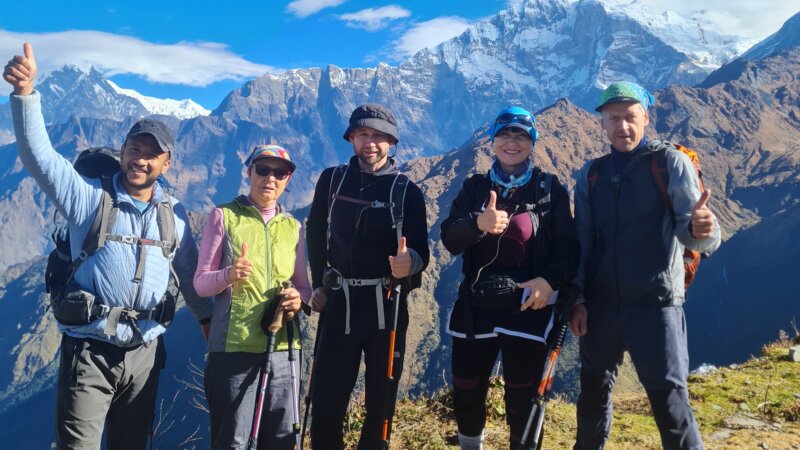
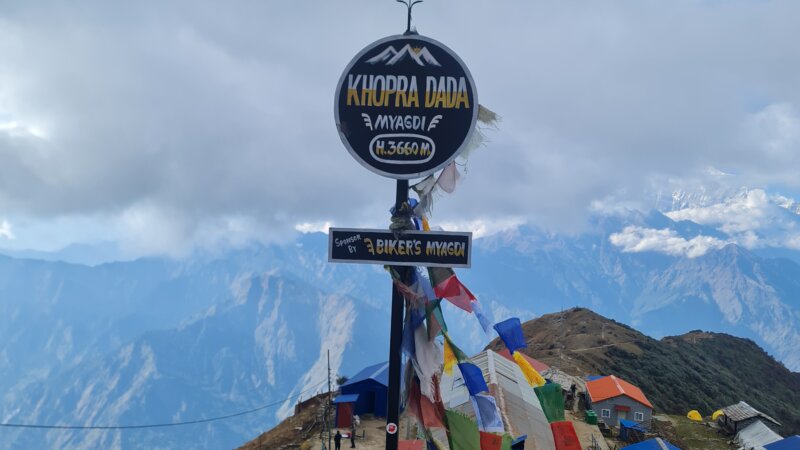
The Khopra Danda Trek is a moderate Himalayan walk that follows forested ridgelines, alpine meadows, and high viewpoints rather than deep valleys. The trail gradually climbs to just over 3,600 m, with one optional higher side hike. It suits trekkers seeking offbeat treks in Annapurna without technical skills, ropes, or expedition-style mountaineering. Khopra Danda is the trek’s highest overnight point.
Unlike the busy Ghorepani–Poon Hill route, this trek avoids crowded stone staircases and large lodge clusters. It also stays separate from the traffic-heavy sections of the Annapurna Circuit. Instead of looping highways and jeep roads, the trail follows quieter ridges and forest paths, making it one of the most appealing alternative Annapurna trekking routes for travelers who value space and calm. Ghorepani is only briefly connected, then left behind.
A defining feature of the trek is its reliance on locally run accommodation rather than commercial teahouse chains. Lodges are managed by village cooperatives, with income shared across the community. This keeps the route low-impact and culturally grounded. Trekkers who choose community lodge trekking Nepal directly support local livelihoods while enjoying simple, well-maintained stays along the trail. Community Lodge Network plays a key role in sustaining this model.
Khopra Danda Trek Itinerary (11 Days)
Show All
Day 01: Drive from Kathmandu to Pokhara
-
 Elevation: 800 m
 -
 Duration: 6-7 hrs
Day 02: Drive from Pokhara to Ghandruk; trek to Tadapani
-
Elevation: 2,630 m
-
Duration: Drive: 3-4 hr Trek: 5-6 hr
Day 03: Trek from Tadapani to Dobato
-
Elevation: 3,420 m
-
Duration: 4 - 5 hr
Day 04: Dobato to Khopra Danda via Bayeli Kharka
-
Elevation: 3,660 m
-
Duration: 6 - 7 hr
Day 05: Day trip to Khayer Lake (4,620 m); back to Khopra Danda
-
Elevation: 4,620 m
-
Duration: 5 - 6 hr
Day 06: Khopra Danda to Swanta
-
Elevation: 2,214 m
-
Duration: 5 hr
Day 07: Swanta to Tikot
-
Elevation: 2,270 m
-
Duration: 3 - 4 hr
Day 08: Tikot to Mohare Danda
-
Elevation: 2,270 m
-
Duration: 3 - 4 hr
Day 09: Mohare Danda to Ulleri
-
Elevation: 1,800 m
-
Duration: 3 - 4 hr
Day 10: Ulleri to Naya Pul; drive to Pokhara
-
Elevation: 800 m
-
Duration: 6 - 7 hr

Day11: Drive back to Kathmandu
-
Elevation: 1,340 m
-
Duration: 7 - 8 hr
Cost Includes and Excludes
-
 Kathmandu international airport Pick up and drop off
-
Two nights Hotel accommodation in Kathmandu with breakfast
-
A professional and responsible trekking guide during the trek
-
All Necessary Trekking permits and paper work
-
Accommodation in the tea house during the trek (twin sharing)
-
Three meal a day (Breakfast, Lunch and Dinner) during the trekking
-
Trekking route map, duffel bag and water purification tablet
-
Kathmandu-Pokhara-Kathmandu both way tourist bus
-
Two night hotel in Pokhara with breakfast
-
seasonal fruit salad during the trek as per availability
-
All necessary ground transportation by private car/jeep/van
-
 Any Kinds of drinks
-
Personal expenses; hot shower, internet, battery charging
-
Tip to the guide and porter
-
Travel insurance
This cost and inclusion are based on standard group bookings. If you are not satisfied with the itinerary or package includes details, please contact us, we are happy to customize the trek according to your preferences.
Khopra Danda Route Overview & Geographic Context
The Khopra Danda trek route follows a spectacular high ridge system that branches west from the main Annapurna foothills. Most journeys begin near Nayapul or Ulleri, with flexible exits through Swanta or the popular Ghorepani hub. Unlike traditional valley-bound paths, this trail stays elevated, creating a logical ridge-based flow that links perfectly with the Mohare Danda corridor.
"Khopra Danda trekking route showing ridge alignment, village access points, and trail connections."
The Khopra Danda trekking route map highlights this unique ridge alignment, showing how different trail connections allow for customized itineraries. Whether you are looking for a short escape or an extended Himalayan adventure, this route provides the perfect balance of remote high-altitude walking and sustainable, village-based hospitality.
Altitude Exposure & Acclimatization Strategy
The Khopra Danda trek altitude profile is moderate but still demands awareness. Proper acclimatization planning ensures comfort and safety as sleeping elevations rise steadily toward the high ridge. This careful approach helps you stay healthy while enjoying the spectacular Himalayan views from the Annapurna region summit points.
Highest Sleeping Elevations
The highest overnight stop on this route is Khopra Danda, sitting at approximately 3,660 m. While this stays below extreme altitude zones, the elevation still requires a controlled ascent and attentive hydration. Proper acclimatization planning ensures you sleep comfortably while enjoying the massive Annapurna mountain views.
Role of Acclimatization Days
Built-in acclimatization improves comfort and reduces fatigue.
Key benefits include:
- Improved oxygen adaptation
- Reduced headache risk
- Better sleep quality
- Energy conservation
- Safer side hikes
- Stable walking pace
These rest strategies keep the trek enjoyable rather than exhausting.
Day Hike vs Overnight Altitude Difference
Daily hikes often climb higher than sleeping elevations, following the “climb high, sleep low” principle.
This approach allows:
- Safe altitude exposure
- Better recovery overnight
- Reduced AMS risk
- Flexible pacing
The system supports safe progression without unnecessary pressure.
Common Altitude Sickness Symptoms
Even at moderate elevations, awareness is essential.
Common signs include:
- Mild headaches
- Shortness of breath
- Appetite loss
- Fatigue
- Light dizziness
- Disturbed sleep
- Mild nausea
Early recognition ensures quick response and continued safety.
Risk Management on Non-Technical High Ridges
Although technically straightforward, ridge exposure requires discipline.
Prevention strategies include:
- Controlled ascent pace
- Adequate hydration
- Warm layering
- Weather monitoring
- Clear communication
- Conservative decision-making
- Guide-led pacing
- Early symptom reporting
Altitude on the Khopra Danda trek is carefully managed through a gradual ascent, controlled sleeping elevations, and planned recovery days. This structured approach keeps altitude sickness risks low while preserving the trek’s spectacular scenic rewards. Following these acclimatization steps ensures a safe, enjoyable journey through the Annapurna region without the stress of extreme elevation.
Landscapes, Wildlife & Natural Environment
The trail winds through thick rhododendron forests before opening onto massive alpine ridges. Seasonal colors and local birdlife make every step of the Khopra Danda trek feel alive. This route offers a classic rhododendron forest trails experience, letting you enjoy nature’s beauty without the heavy foot traffic found on busier paths.
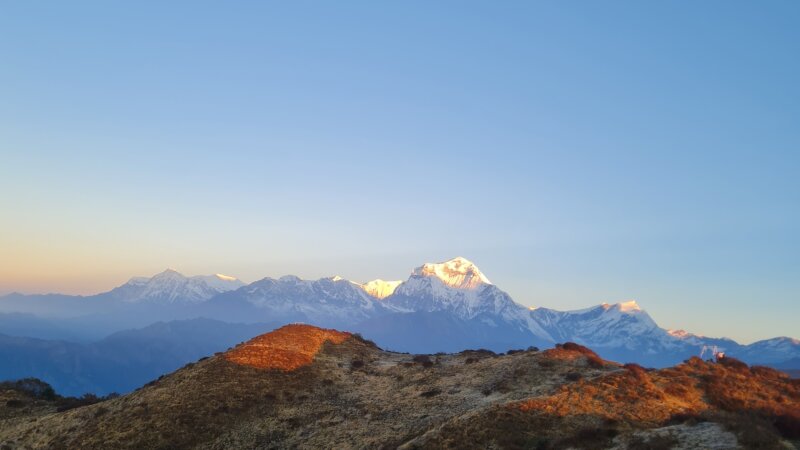
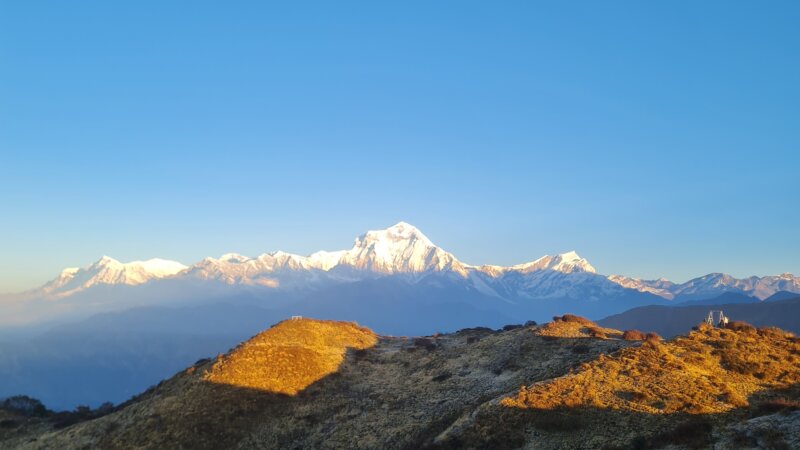
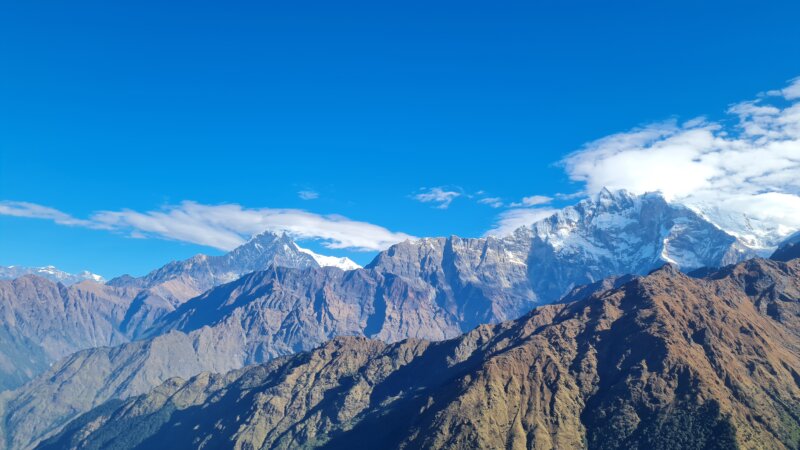
Above the tree line, you will reach open ridges with spectacular Himalayan panoramas. Incredible views of Annapurna South dominate the skyline, reminding every hiker of the need for sustainable tourism principles. This high-altitude landscape is fragile, making it the perfect place to practice conservation awareness while enjoying your mountain adventure.
Is the Khopra Danda Trek the Right Choice for You?
This trek rewards preparation, patience, and a love for quiet mountain travel. It suits trekkers who value scenery, community interaction, and steady pacing over speed or extreme altitude.
- Fitness readiness: Comfortable with multi-day walking and moderate climbs.
- Trekking experience level: Prior hill or mountain hiking experience recommended.
- Preparation timeline:
- 6–8 weeks basic conditioning
- Break in footwear
- Pack testing
- Insurance arrangement
- Permit planning
- Weather research
- Itinerary confirmation
- Common mistakes to avoid:
- Overpacking
- Ignoring acclimatization
- Rushing daily stages
- Underestimating cold mornings
- Skipping hydration
Why Trek with Local Experts
Choosing a licensed local team ensures smooth logistics, ethical staffing, and reliable safety standards throughout your journey. Local operators understand the Annapurna region terrain and shifting weather better than external agencies. Their deep knowledge of Himalayan village systems guarantees a professional and authentic Khopra Danda trek experience.
Local Expertise
Local guides provide invaluable knowledge on seasonal trail conditions, village customs, and safe pacing strategies. Their deep-rooted experience adds incredible depth to your journey while directly supporting community tourism across the Annapurna region. Relying on their expertise ensures a much safer and more authentic Himalayan trekking experience for every traveler.
Legal Compliance
Booking with a professional team ensures that every part of your Himalayan journey follows official Nepal trekking regulations. These licensed operators manage all the paperwork and legal requirements so you can focus entirely on the scenery.
- Registered trekking staff
- Valid permits
- Insurance coverage
- Labor compliance
- Transparent pricing
- Government authorization
This structured approach guarantees a worry-free experience while exploring the Annapurna region. By following these legal standards, your Khopra Danda trek stays safe, organized, and fully compliant with local laws.
Safety Standards
Professional operators prioritize your well-being by following strict high-altitude safety protocols on every trip. Their proactive approach to risk management ensures that potential challenges are handled before they become problems.
- Trained guides
- First-aid readiness
- Weather monitoring
- Emergency planning
- Clear communication
- Responsible pacing
Safety remains a proactive priority throughout your Annapurna adventure, rather than a reactive one. With these high standards in place, you can enjoy the ridge-line trekking experience with total peace of mind.
Cultural Sensitivity and Community Support
Ethical trekking practices strengthen local villages and help preserve the unique heritage of the Himalayan people. By choosing a responsible team, your visit becomes a force for good in the remote Annapurna foothills.
- Fair wages
- Local lodge use
- Cultural respect
- Waste management
- Community reinvestment
Your journey directly benefits host communities, supporting local schools and health clinics through sustainable tourism. This mindful approach ensures the Khopra Danda trek remains a positive experience for both trekkers and locals.
Operational Advantages
Local teams streamline your logistics by using their deep knowledge of Himalayan trail systems and village networks. Their ground-level coordination allows for a much smoother and more efficient trekking experience.
- Flexible itineraries
- Real-time adjustments
- Reliable staffing
- Ground-level coordination
- Honest route advice
This operational clarity allows you to relax and focus fully on the incredible Himalayan views and cultural moments. Having a reliable team behind you makes your Annapurna region expedition simple, safe, and highly rewarding.
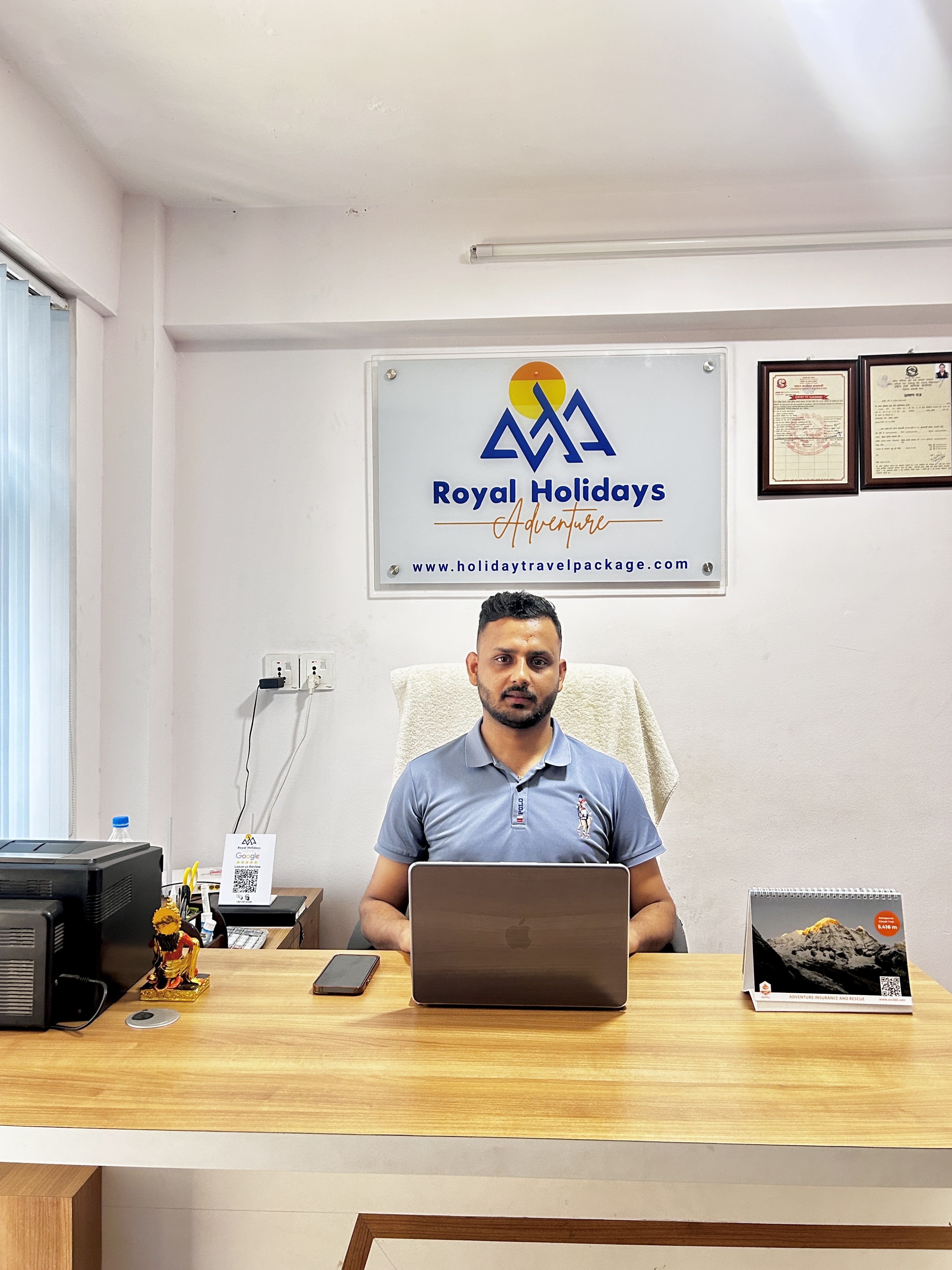
Start Planning Your Khopra Danda Trek with Royal Holidays Adventure
Planning the Khopra Danda Trek works best with people who operate on the trail itself. A licensed local team understands daily walking distances, seasonal conditions, and community lodge coordination across the Annapurna Region. This local control ensures clear communication, realistic planning, and smooth on-ground support from start to finish.
Call us to discuss your Khopra Danda Trek plans, contact us for updated availability and pricing, or plan your trek with our local specialists today. We offer direct guidance, honest recommendations, and full local support, so your trek is handled professionally, safely, and without guesswork.

Khopra Danda Trek 11 Days Itinerary FAQs
Find answers to the most common questions about the Khopra Danda Trek 11 Days Itinerary, including permits, itinerary, cost, and difficulty.
Is Khopra Danda Trek suitable for first-time trekkers in Nepal?
Yes, Khopra Danda Trek is suitable for first-time trekkers in Nepal who have basic fitness. The route avoids technical terrain, follows steady ridge trails, and uses community lodges, making the trek manageable with proper pacing and preparation.
Are community lodges on the Khopra Danda Trek pre-booked or first-come?
Yes, community lodges on the Khopra Danda Trek are usually pre-booked when trekking with an operator. While some community lodges accept first-come guests, pre-booking helps secure rooms, plan meals in advance, and maintain smooth logistics along the trek route.
What makes the Khopra Danda Trek different from standard teahouse treks?
The Khopra Danda Trek differs from standard teahouse treks due to its ridge-based route, community lodge system, and lower trail traffic. Unlike standard teahouse treks, this trip emphasizes local ownership, quieter paths, and village-based accommodation rather than commercial lodge chains.
Is the Khayer Lake side hike mandatory or optional during the trek?
The Khayer Lake side hike is optional during the Khopra Danda Trek. This side hike is weather- and fitness-dependent, and trekkers can skip the Khayer Lake side hike without affecting the main trek itinerary or overall trekking experience.
Can vegetarians and vegans manage food options on the Khopra Danda trail?
Yes, vegetarians and vegans can manage food options on the Khopra Danda trail. Community lodges regularly prepare vegetarian meals, and vegan food options are possible with advance notice, making the trek suitable for plant-based dietary needs.
Is it possible to shorten the Khopra Danda Trek once already on the trail?
Yes, it is possible to shorten the Khopra Danda Trek once already on the trail. Route flexibility allows early exits via village connections, jeep-access points, or skipping sections like Mohare Danda, depending on weather, fitness, and time constraints.
How crowded is the Khopra Danda Trek compared to other Annapurna routes?
The Khopra Danda Trek is significantly less crowded than popular Annapurna routes like Ghorepani Poon Hill. It follows high ridges and community-managed trails, daily foot traffic stays low, offering quieter lodges, open viewpoints, and a more relaxed trekking experience, especially outside peak holiday weeks.
Are children or teenagers allowed on the Khopra Danda Trek?
Yes, children or teenagers are allowed on the Khopra Danda Trek if they are physically fit and properly supervised. The trek’s moderate altitude and community lodge setup make it suitable for families with trekking experience and realistic daily pacing.
What are the most common mistakes trekkers make on this route?
The most common mistakes trekkers make on the Khopra Danda Trek include overpacking, rushing daily stages, ignoring hydration, skipping acclimatization hikes, and underestimating cold mornings. These mistakes affect comfort and endurance rather than technical safety on the trek route.
Does the Khopra Danda Trek require prior high-altitude trekking experience?
No. The Khopra Danda Trek does not require prior high-altitude trekking experience. Although elevation reaches above 3,600 meters, the gradual ascent, conservative sleeping altitudes, and flexible pacing makes the trek accessible to well-prepared trekkers.