
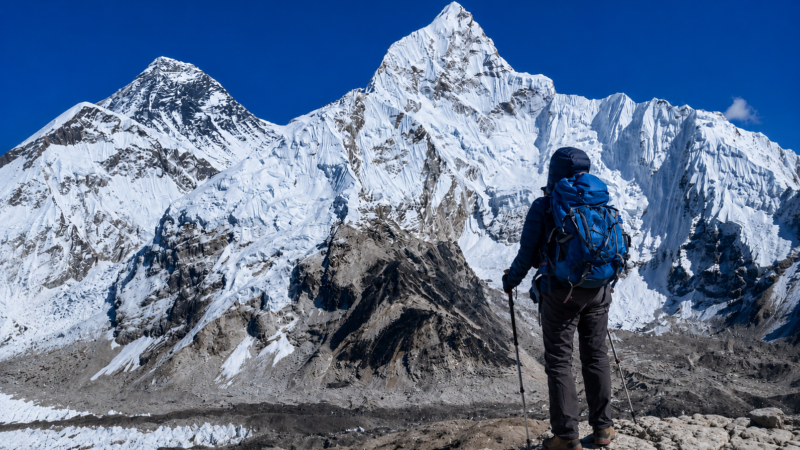
Island Peak Climbing 15 Days Itinerary
 70 Reviews
in TripAdvisor
70 Reviews
in TripAdvisor


Island Peak Climbing | Trip Overview
A quick-reference overview of the core logistics and planning facts for the Island Peak Climbing
-
Duration 15 Days
-
Max Altitude 6,189 m (20,305 ft)
-
Group Size 2 – 10 Persons
-
Difficulty Strenuous / Technical
-
Best Season Spring (Mar–May), Autumn (Sept–Nov)
-
Start/End Point Kathmandu / Kathmandu
-
Accommodation Hotel | Tea House trekking


About Island Peak Climbing
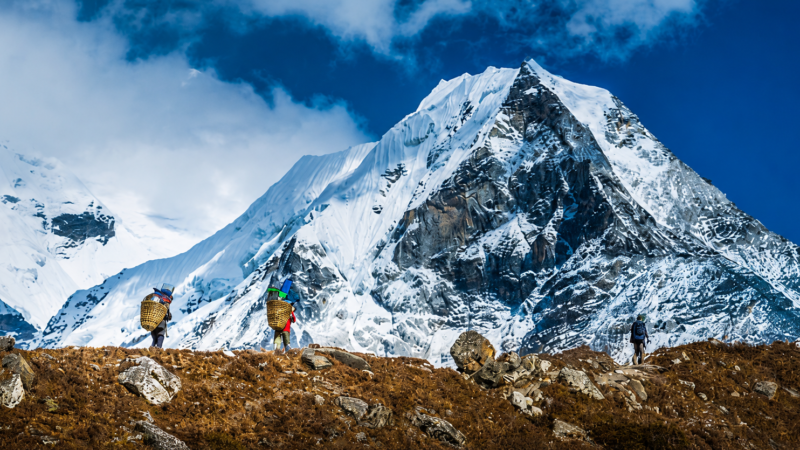
Climb to the top of Imja Tse (6,189 metres above sea level) in the high altitude adventure of island peak climbing in Nepal, where you are right in the heart of the Khumbu district. The summit was named “Island Peak” by the British expedition party of Eric Shipton in 1952 who saw it rising as an island from a sea of glacial ice from Dingboche. It is still known as Imja Tse locally.
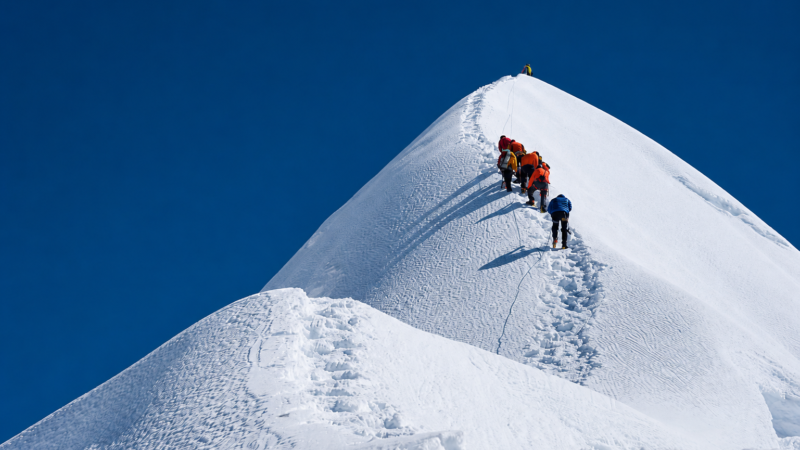
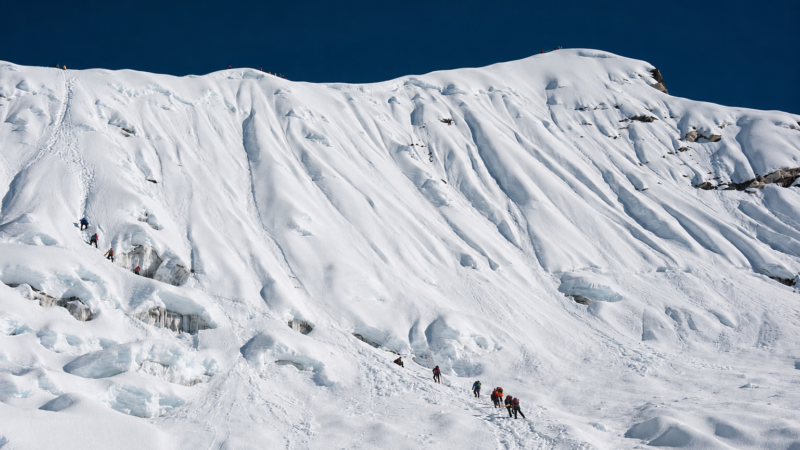
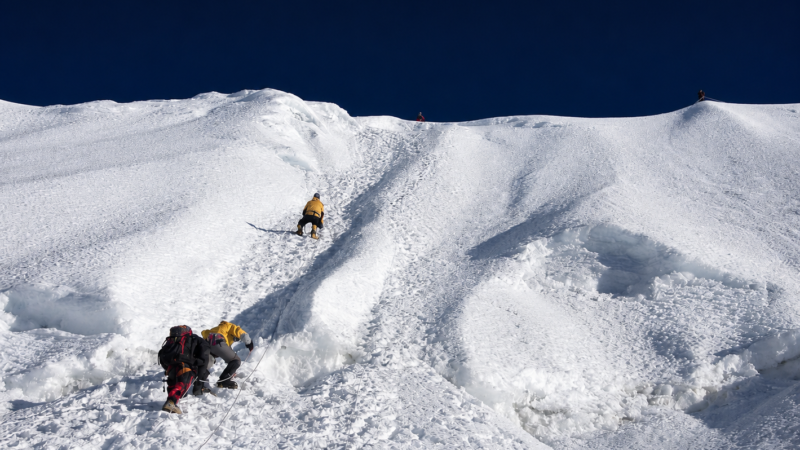
The height is situated in Sagarmatha National Park, a UNESCO World Heritage Site, located approximately 8 kilometres South-East of Lhotse. The climbing route starts at the Base Camp of Island Peak (about 5,200m) and passes through rocky moraine and a glacier area before heading up a 50 to 55 degree headwall to the summit ridge. There is approximately 4-5 kilometres of climbing from base camp to the summit and the push up to the summit normally takes 6-9 hours round trip.
It's a trek for the fit and motivated with a little prior experience of trekking at altitude, preferably above 4000 metres. Experience in technical mountaineering is not a strict necessity, but useful knowledge of crampons, ice axe and fixed rope technique are helpful. You also pass through Everest Base Camp at 5,364 metres and the Kala Patthar at 5,550 metres with this Island Peak climb, making this one of the most comprehensive itineraries to the EBC and Kala Patthar for any level.
This is a route apart from trekking and climbing. The EBC section is a trek on well-marked trails through teahouse villages. The Island Peak summit attempt is truly an adventure that carries the elements of glacier travel, crevasse navigation, jumar use upon fixed ropes and a steep headwall that requires crampons and ice axe arrest techniques. Full technical instructions and equipment support are provided by the guides from Royal Holidays adventure.
Island Peak Climbing Itinerary - 15 Days
Show All
Day 1: Fly from Kathmandu to Lukla and Trek to Phakding
-
 Accomodation: Tea house / Lodge
 -
 Meals: Breakfast, Lunch, Dinner
 -
 Elevation: 2,610 m
 -
 Duration: 3 hours
 -
 Distance: 7.4 km
Day 2: Trek from Phakding to Namche Bazaar
-
Accomodation: Tea house / Lodge
-
Meals: Breakfast, Lunch and Dinner
-
Elevation: 3,440 m
-
Duration: ~5-6 hours
-
Distance: 11 km
Day 3: Acclimatization Day in Namche Bazaar
-
Accomodation: Tea house / Lodge
-
Meals: Breakfast, Lunch, Dinner
-
Elevation: 3,440 m
-
Duration: 3–4 hours (acclimatization hike)
Day 4: Trek from Namche Bazaar to Tengboche
-
Accomodation: Tea house / Lodge
-
Meals: Breakfast, Lunch, Dinner
-
Elevation: 3,860 m
-
Duration: ~5 hours
-
Distance: 10 km
Day 5: Trek from Tengboche to Dingboche
-
Accomodation: Tea House / Lodge
-
Meals: Breakfast, Lunch, Dinner
-
Elevation: 4,410 m
-
Duration: ~5–6 hours
-
Distance: 12 km
Day 6: Trek from Dingboche to Lobuche
-
Accomodation: Tea house / Lodge
-
Meals: Breakfast, Lunch, Dinner
-
Elevation: 4,940 m
-
Duration: ~5 hours
-
Distance: 9 km
Day 7: Trek from Lobuche to Gorakshep via Everest Base Camp (5,364 m)
-
Accomodation: Tea house / Lodge
-
Meals: Breakfast, Lunch, Dinner
-
Elevation: 5,164 m (Gorakshep)
-
Duration: ~8 hours (round trip to EBC)
-
Distance: 13 km
Day 8: Trek from Gorakshep to Chhukung via Kala Patthar (5,550 m)
-
Accomodation: Tea house / Lodge
-
Meals: Breakfast, Lunch, Dinner
-
Elevation: 4,730 m
-
Duration: ~8–9 hours
-
Distance: 15 km
Day 9: Rest Day in Chhukung and Preparation for Island Peak Climbing
-
Accomodation: Tea house / Lodge
-
Meals: Breakfast, Lunch, Dinner
-
Elevation: 4,730 m
-
Duration: Short acclimatization hike
Day 10: Trek from Chhukung to Island Peak Base Camp
-
Accomodation: Tented Camp
-
Meals: Breakfast, Lunch, Dinner
-
Elevation: 5,100 m
-
Duration: ~3–4 hours
-
Distance: 5 km
Day 11: Island Peak Base Camp to Summit (6,189 m) and Trek Down to Chhukung
-
Accomodation: Tea house / Lodge
-
Meals: Breakfast, Lunch, Dinner
-
Elevation: 6,189 m
-
Duration: ~12–14 hours (summit day)
Day 12: Trek from Chhukung to Tengboche
-
Accomodation: Tea house / Lodge
-
Meals: Breakfast, Lunch, Dinner
-
Elevation: 3,860 m
-
Duration: ~6–7 hours
-
Distance: 14 km
Day 13: Trek from Tengboche to Dingboche
-
Accomodation: Tea house / Lodge
-
Meals: Breakfast, Lunch, Dinner
-
Elevation: 3,440 m
-
Duration: ~4–5 hours
-
Distance: 9 km
Day 14: Trek from Namche Bazar to Lukla
-
Accomodation: Tea house / Lodge
-
Meals: Breakfast, Lunch, Dinner
-
Elevation: 2,860 m
-
Duration: ~7–8 hours
-
Distance: 18 km

Day 15: Fly from Lukla to Kathmandu
-
Accomodation: Hotel in Kathmandu
-
Meals: Breakfast
-
Elevation: 1,400 m
-
Duration: ~30 minutes flight
Island Peak Climbing - 15 Days Itinerary Route Map
This trek starts from Tribhuvan International Airport, Kathmandu to Tenzing-Hillary Airport in Lukla at 2860m. Lukla is followed by a path that runs along the valley of the Dudh Koshi River, passing through the villages of Phakding (2,600 m) and up to Namche Bazaar (3,440 m), through several suspension bridges over the raging glacial melt water.
Key Geographical Features
The path then passes through the large monastery of Tengboche (3860 m) before climbing through Dingboche (4410 m) and Lobuche (4940 m) and through the lateral moraines of the Khumbu Glacier. Once at Everest Base Camp (5364m) and Kala Patthar (5550m), the trail leads down to Chhukung (4730m) via the Imja Khola valley.
The route to Island Peak Base Camp (5200m) from Chhukung follows the Imja Khola upstream passing under the south face of Lhotse and the calving face of the Imja glacier. The summit approach is a trek across the Imja glacier to the foot of the headwall, up the fixed line and then over the summit ridge to the top at 6,189 metres.
Altitude and Acclimatization on Island Peak Climbing
The one most crucial element to climbing the summit and climber safety on this route is altitude management. The schedule also provides for two acclimatization days, one in Namche Bazaar at 3440m and another rest day in Chhukung at 4730m.
Highest Sleeping Altitude vs. Highest Point
This itinerary has the highest elevation at 4,940 metres at Lobuche overnight stay before making the trek to Everest Base Camp. The highest point of trekking is Kala Patthar, 5,550 metres. The highest point of the entire expedition is the summit of Island Peak at 6,189 metres that you climb to and descend from in one day, without sleeping at altitude above base camp.
Role of Acclimatization Days
The Namche acclimatization day includes day hikes to the area around 3,800 to 3,900 metres and then down to sleep again. The practice of “climb high and sleep low” stimulates the production of EPO in the kidneys which boosts the number of red blood cells. The Chhukung rest day at 4,730 metres is enough time to acclimatize oneself before the summit push.
AMS Symptoms and Prevention
Acute Mountain Sickness (AMS) is a very common problem at high altitude, and is experienced by anyone, regardless of their age or fitness level. Symptoms typically start above 2,500 metres and generally involve headache, nausea, abnormal tiredness, loss of appetite and disturbed sleep. Early recognition and proper action is key to a safe climbing experience.
If not treated and left untreated, more serious forms of altitude illness may rapidly develop and may become life-threatening:
- High Altitude Pulmonary Oedema (HAPE): A dangerous condition where fluid accumulates in the lungs, causing breathlessness, chest tightness, and persistent coughing.
- High Altitude Cerebral Oedema (HACE): A serious condition involving swelling of the brain, which may result in confusion, poor coordination, severe headache, and altered consciousness.
In Royal Holidays Adventure, safety on the heights is a top priority. Emergency response training and knowledge is embedded in our guides and our guide medical and rescue kit is carried on the expedition and includes:
- Pulse oximeters for monitoring oxygen saturation levels
- Supplemental oxygen for emergency situations
- Portable Gamow bags for treating severe altitude illness when immediate descent is not possible
Your doctor might also prescribe acetazolamide (Diamox), a preventive drug, to help you acclimatize before your trip. But never an ascent schedule or rest should be substituted for medication.
Water is an important factor in acclimatization. Climbers are strongly encouraged to drink at least three to four litres of water a day throughout the expedition, dehydration will exacerbate the effects of altitude sickness and slow the acclimatization rate.
Is Island Peak Climbing Suitable for Beginners?
The Island Peak Climbing is not recommended for complete novices to high-level activity. But it's attainable for those people who are motivated and well prepared with some experience of trekking at high altitudes (above 4,000m). The realistic suitability profile is as follows.
If you have done a multi-day hike above 4,000m with no signs or symptoms of AMS, and you can walk for 6–8 hours with a day-pack for 10 days, and have a good time while learning how to use ropes properly under guidance, you should be fine. Although experience with crampons and ice axes is desirable, detailed technical briefings are provided by Royal Holidays Adventure guides.
If you have had only day-hiking experience in low elevation areas or if you have had a history of severe cases of AMS, you should re-evaluate your readiness; It would be better, if you willing to do at least 3-4 weeks of aerobic training before your trip, It helps you a lot to be ready for this trip.
Why Choose Royal Holidays Adventure for Island Peak Climbing
Royal Holidays Adventure is a government registered Nepal Trekking and Climbing Association, licensed by Nepal Tourism Board and Department of Tourism, and a member of Trekking Agency Association of Nepal (TAAN) and Nepal Mountaineering Association (NMA). Such memberships are not voluntary but mandatory to lead clients on NMA approved peaks like the Island Peak.
All guides are citizens of Nepal, and most come from the Khumbu region, and they are very knowledgeable about the conditions at high altitude, the weather and the land. The company is practicing socially responsible tourism, using local employees, paying porters above minimum wages and also using the permit revenues in line with the NMA depositions to maintain the Sagarmatha Conservation Area.
Since 2016, Royal Holidays Adventure has been in operation and has earned a TripAdvisor verified profile with positive client reviews that repeatedly mention the competency of the guides, the management of safety, and the provision of the personalised service. The team can tailor any of the tours to include pre-climb training days or the option for private departure dates or the Three Passes or the Gokyo Lakes.
Book Your Island Peak Climbing with Royal Holidays Adventure
If you are seeking the thrill of climbing an actual Himalayan peak, then the Island Peak climbing expedition is for you, and you will be standing at Everest Base Camp when you return. From permits to meals at base camp, it's all up to Royal Holidays Adventure, so you can concentrate on the mountain.
Private dates are available all year round and group discounts are available for groups of 5 or more. For booking and customised tour please contact Royal Holidays Adventure on royalholiday24@gmail.com or by call/Viber:+977-9860472458. The starting message for your summit is one of your own.
Island Peak Climbing 15 Days Itinerary FAQs
Find answers to the most common questions about the Island Peak Climbing 15 Days Itinerary, including permits, itinerary, cost, and difficulty.
1. How fit do I need to be to climb Island Peak?
A good aerobic foundation. Before you travel, try to get 3-5 hours of continuous cardiovascular activity, like hiking, cycling or running, but without getting too exhausted. It is expected that the individual can walk for a total of 6 – 8 hours per day for 10 consecutive days with a light daypack in altitude. It is highly recommended to have a structured training programme of 8-12 weeks prior to departure with stair climbing and weighted pack hikes. Technical climbing ability is not as important as fitness on this route.
2. Do I need prior mountaineering experience for Island Peak?
Experience in the mountains is not a strict requirement, but a definite bonus. On the summit day you will need crampons, an ice axe and a jumar on fixed ropes. Royal Holidays Adventure guides teach 100% at base camp prior to the climb. This will be useful if you have prior experience on alpine terrain, snowy hills or glacier walks. A skills building day at Chhukung before an attempt to the summit is recommended for complete beginners to any type of mountain travel.
3. What is the success rate for Island Peak?
The Island Peak success rate on the summit is affected by the season, weather and preparation of the individual, but typically in guided commercial expeditions ranges from 70% to 85%. Where most turnarounds occur is on the headwall section because of fatigue or elevation. The best time to attempt the summit is early, between midnight and 1:00 AM, from basecamp, as this is when wind and cloud are least likely to form. All ascents are set conservatively by Royal Holidays Adventure guides to ensure the most successful ascents.
4. What permits are needed and who arranges them?
There are three permits required: NMA Island Peak Climbing Permit (USD 350 in spring / USD 175 in autumn per person for foreign nationals), Sagarmatha National Park Entry Permit (NPR 3,000), and Khumbu Pasang Lhamu Rural Municipality Permit (NPR 3,000). All three permits are arranged by Royal Holidays Adventure on behalf of its clients. No client should have to go to any Government Office in Kathmandu. Permits are handed out to the guide and given at checkpoints throughout the trail.
5. Is Island Peak harder than Everest Base Camp Trek?
Yes, significantly. The trek to the base of Everest is a high-altitude adventure, path well-marked, and demands only basic trekking gear – trekking poles and good boots. At over 6,000 metres, Island Peak has an extra day of summiting experience with fixed ropes, crampons, an ice axe and a steep headwall. The level of physical demand is far greater and the risk of bad judgment at altitude is much more serious. But after 10 days acclimatised walking, your body will be much better prepared for the altitude when you arrive at Island Peak Base Camp.
6. How cold does it get at Island Peak Base Camp and on the summit?
On nights at Island Peak Base Camp (5200 m), springtime temperatures are between -10 and -18 degrees Celsius. Temperatures can reach -25 degrees Celsius or below with wind chill at the summit (6189m), especially during the pre-dawn hours just before summit push. Fall conditions are comparable or slightly below average. For comfort and safety, a good 20C sleeping bag and a good down jacket are essential.
7. Can I rent climbing gear in Nepal rather than bringing my own?
Yes. Both Kathmandu and Namche Bazaar have a number of gear hire shops. Crampons, Ice Axes, Harnesses, Helmets and Down Jackets are all available for hire daily. There can be varying levels of quality in rented equipment so always check thoroughly before taking it. Royal Holidays Adventure can help you know the most reliable renting agency in Kathmandu before you leave for Lukla. Base layers, socks, gloves, and trekking boots should be your own, and be well broken-in before the trip.
8. What happens if the weather turns bad on summit day?
Attempts are only made on the summit if it is deemed safe by the lead guide. When conditions get bad on the mountain, during the climb, guides make descent decisions conservatively. Most trips have one day of rest at basecamp followed by a day to take advantage of a weather window for the summit attempt. If, in the event of total weather washout, there is no attempt to the summit, Royal Holidays Adventure will discuss the options with the client such as staying longer at base camp if there is time or descending back down with a full documented record of the expedition for insurance purposes.
9. Is travel insurance mandatory for Island Peak climbing?
Yes. High altitude travel above 6000m and emergency helicopter evacuation are mentioned specifically in the travel insurance policy as a requirement. Royal Holidays Adventure will not accept any booking unless written confirmation is provided that the client has valid cover. Policies that cover mountaineering up to 6,500 metres are suitable, e.g. World Nomads, True Traveller or Global Rescue. Emergency evacuation and medical costs of at least USD 50,000 should be covered.
10. How does the Island Peak climbing permit process work in 2026?
Island Peak is a trekking peak under the management of the Nepal Mountaineering Association in terms of the 2026 NMA permit system. Your registered trekking company makes the application for the permit to the NMA office in Kathmandu, including copies of the passports, passport size photos and the permit fee. Issuing of permit takes place in NMA in 1-3 business days. The permit contains the name of the peak, the climber’s name, nationality and dates of validity. Your certified Sherpa guide will have the permit on his/her person and show it at the national park checkpost and in high camps as required. Climbing alone or without a guide is prohibited and included in the fines under the Nepal Mountaineering Rules.