
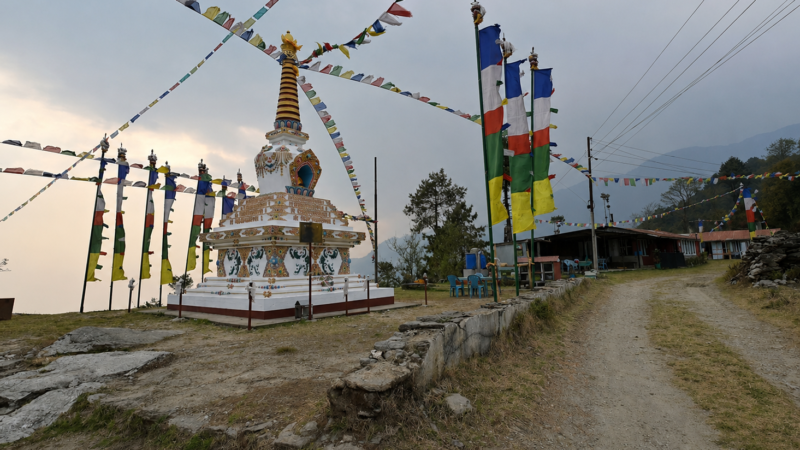
Helambu Trek 6 Days Itinerary
Handled by professionals specializing in low-altitude Himalayan cultural treks 70 Reviews
in TripAdvisor
70 Reviews
in TripAdvisor


Helambu Trek: Essential Trip Facts
A concise snapshot of duration, difficulty, altitude, seasons, and logistics for planning the Helambu Trek.
-
Duration 6 Days
-
Trekking Days 6
-
Max Altitude 3,650 m (Thadepati)
-
Group Size 2 – 15 Trekkers
-
Difficulty Moderate to Challenging (High-Altitude Trek)
-
Region Langtang Region, Nepal
-
Best Season March–May & September – November
-
Start/End Point Kathmandu / Kathmandu
-
Accommodation Hotel | Tea House trekking




About the Helambu Trek
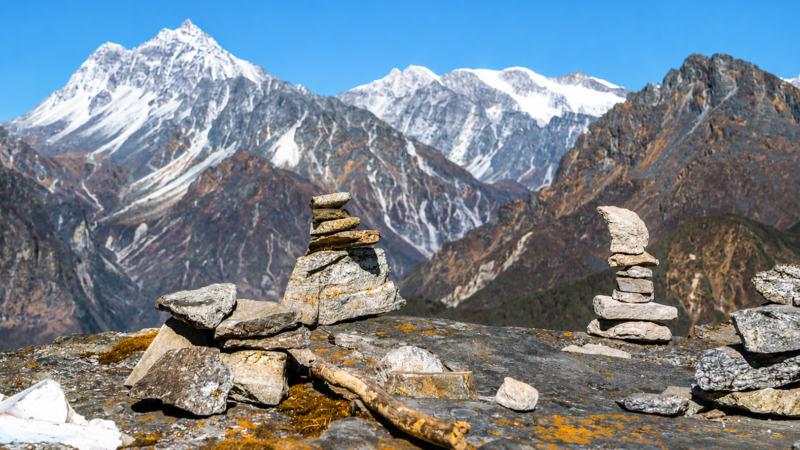
The Helambu trek is a short, scenic walking route in Nepal’s lower Himalayan region, just northeast of the capital. It lies close to Kathmandu, making access simple and flexible. Known as one of the short treks near Kathmandu, this route blends mountain views with village life, without requiring flights or long travel days.
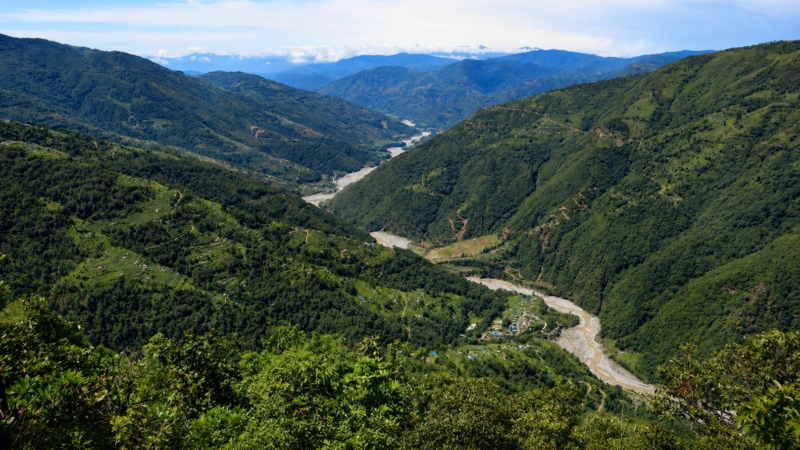
Geographically, the trek runs through the hills of the Helambu Region, bordering Langtang. The landscape features forested ridges, terraced farms, and traditional settlements. Often described as the Helambu valley trek, it stays at relatively low elevations, which helps keep altitude risk manageable for most trekkers.
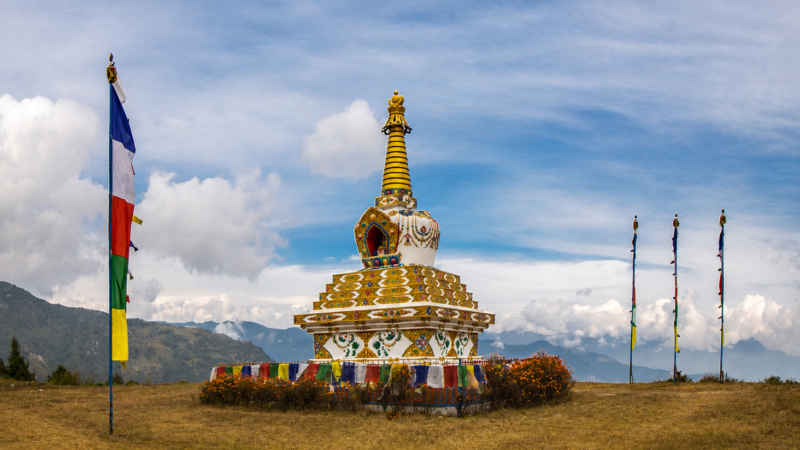
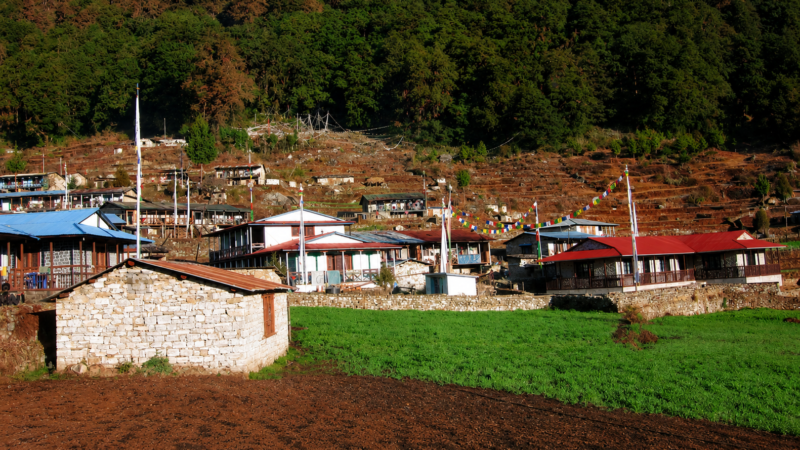
What sets this route apart is its cultural depth and easy pacing. The trail passes through Hyolmo settlements within Langtang National Park, offering insight into local Buddhist traditions. With moderate daily walks, the Helambu trek duration suits travelers who want an authentic Himalayan experience in under a week, without technical terrain or extreme altitude.
Helambu Trek Itinerary
Show All
Day 01: Drive from Kathmandu to Sundarijal; Trek to Chisapani
-
 Elevation: 2,300 m
 -
 Duration: 3–4 hours
Day 02: Chisapani to Kutumsang
-
Elevation: 2,446 m
-
Duration: 6–7 hours
Day 03: Kutumsang to Thadepati
-
Elevation: 3,650 m
-
Duration: 5–6 hours
Day 04: Thadepati to Tarke Ghyang
-
Elevation: 2,560 m
-
Duration: 6 hours
Day 05: Tarke Ghyang to Sermathang
-
Elevation: 2,610 m
-
Duration: 3–4 hours

Day 6: Sermathang to Melamchi Bazaar, Drive to Kathmandu
-
Duration: 3–4 hours + drive
Cost Includes and Excludes
-
 Kathmandu international airport Pick up and drop off
-
Two nights Hotel accommodation in Kathmandu with breakfast
-
A professional and responsible trekking guide during the trek
-
All Necessary Trekking permits and paper work
-
Accommodation in the tea house during the trek (twin sharing)
-
Three meal a day (Breakfast, Lunch and Dinner) during the trekking
-
Trekking route map, duffel bag and water purification tablet
-
All necessary ground transportation by private car/jeep/van
-
seasonal fruit salad during the trek as per availability
-
 Any Kinds of drinks
-
Personal expenses; hot shower, internet, battery charging
-
Tip to the guide and porter
-
Travel insurance
This cost and inclusion are based on standard group bookings. If you are not satisfied with the itinerary or package includes details, please contact us, we are happy to customize the trek according to your preferences.
Helambu Route Overview & Geographic Setting
The Helambu trek enters from Sundarijal near Kathmandu and exits at Melamchi Bazaar, creating a natural east–west walking line. Geographically, the route sits between the Kathmandu Valley and the Langtang highlands, forming a mid-hill corridor that links cultural and alpine zones. This positioning explains its role as a connector between village-based routes and higher Himalayan trails.
"Helambu Trek route map showing entry from Sundarijal and exit via Melamchi Valley."
The route map indicates a gradual progression from forested national park terrain into the Langtang Valley foothills, without entering extreme alpine zones. It also highlights how Helambu loosely aligns with paths used on the Tamang Heritage Trail, creating a logical geographic bridge rather than a standalone detour.
Altitude Exposure & Acclimatization Considerations
Altitude management on the Helambu trek is straightforward due to its low-risk profile. The route remains below extreme elevations and follows a slow ascent pattern. As a low risk altitude trek, it allows most trekkers to adapt naturally without additional acclimatization days.
Highest Sleeping Altitudes
The highest overnight stop occurs at Thadepati, around 3,650 meters. Sleeping elevations remain controlled, and no night is spent above this point. This helps reduce the likelihood of altitude-related issues while still offering high ridge scenery.
Gradual Ascent Profile
The easy altitude profile trek design spreads elevation gain across multiple days. Climbs are broken into manageable sections, with frequent descents that allow the body to recover. This structure supports safer adaptation compared to rapid valley-to-base-camp routes.
Role of Acclimatization Days
Although formal acclimatization days are not required, the route naturally supports adaptation. The steady elevation profile allows the body to adjust without adding extra rest days to the itinerary.
This approach includes:
- Progressive altitude gain
- Early arrival at higher villages
- Optional rest mornings
- Shorter walking days near the top
- Hydration-friendly pacing
- Lower sleeping elevations
- Built-in descent days
These factors support stable adjustment throughout the trek. Together, they reduce altitude-related risks while keeping the schedule efficient and comfortable.
Day Hike vs Overnight Altitude Difference
Helambu limits the gap between hiking highs and sleeping points. Most days follow a controlled climb-and-rest pattern that avoids sharp altitude jumps.
This approach allows:
- Reduced altitude stress
- Better sleep quality
- Faster recovery
- Lower AMS risk
- Comfortable pacing
This design suits trekkers new to Himalayan terrain. It also supports steady daily progress without the need for strict acclimatization planning.
Common Altitude Sickness Symptoms
Even at moderate heights, awareness is important. Understanding these symptoms early helps trekkers respond quickly and maintain health throughout the journey.
Common symptoms include:
- Mild headache
- Fatigue
- Shortness of breath
- Loss of appetite
- Light dizziness
- Poor sleep
- Nausea
- Dehydration
Early recognition keeps the trek safe and manageable. Prompt action and monitoring can prevent complications, maintain energy, and ensure a comfortable experience for all trekkers.
Risk Management Practices
Safety is maintained through simple, effective practices. These approaches protect trekkers while allowing flexible exploration and cultural engagement along the route.
Key measures include:
- Gradual ascent planning
- Conservative sleeping elevations
- Guide monitoring
- Flexible pacing
- Weather awareness
- Hydration reminders
- Descent options
- Emergency protocols
Following these practices ensures health and confidence on the trail. Combined with situational awareness, they minimize risk, support smooth acclimatization, and enhance the overall trekking experience.
Altitude on the Helambu trek is controlled through steady elevation gain, conservative overnight stops, and natural recovery days. This structure minimizes health risks while preserving scenic value, making Helambu a dependable choice for trekkers seeking safety without sacrificing Himalayan views.
Is the Helambu Trek the Right Choice for You?
The Helambu trek works best when expectations match its character. It is not about extreme altitude or peak climbing, but about steady walking, village life, and relaxed Himalayan scenery. This makes it a practical option for many traveler profiles.
- Fitness readiness: You should be comfortable walking 4–6 hours daily on uneven trails. No technical skills are required, only basic endurance.
- Trekking experience level: Suitable for first-time trekkers and casual hikers. Prior Himalayan experience is helpful but not necessary.
- Ideal traveler profiles:
- First-time Nepal trekkers
- Culture-focused travelers
- Budget-conscious hikers
- Families with teens
- Solo travelers with guides
- Photographers
- Slow-paced walkers
- Common mistakes to avoid:
- Overpacking
- Ignoring weather changes
- Underestimating walking time
- Skipping hydration
- Poor footwear choice
- Rushing the itinerary
- Disrespecting local customs
- Not carrying enough cash
Why Trek with Local Experts
Choosing a licensed local team improves safety, logistics, and cultural understanding on the Helambu trek, Nepal. On quieter routes, experience and preparation matter more than improvisation. Local teams also ensure your trek supports the communities you walk through.
Legal Compliance
Working with registered operators ensures all rules are followed.
- Government-approved permits
- Valid TIMS processing
- Park regulation compliance
- Transparent pricing
- Legal guide employment
- Insurance verification
- Route authorization
This protects both trekkers and local staff.
Safety Standards
Professional teams maintain consistent safety practices.
- Trained guides
- First-aid readiness
- Weather monitoring
- Altitude awareness
- Emergency planning
- Communication protocols
- Evacuation coordination
These systems reduce risk on off the beaten path trekking routes.
Cultural Sensitivity
Local teams understand village norms and traditions.
- Respectful lodge use
- Monastery etiquette guidance
- Language support
- Cultural interpretation
- Community cooperation
- Ethical photography
- Local customs awareness
This enhances authentic interaction.
Local Employment
Hiring locally supports village economies.
- Fair wages
- Porter welfare
- Community spending
- Skill development
- Sustainable tourism
- Family-run lodges
- Regional income circulation
This reinforces local economy trekking principles.
On-Ground Expertise
Local guides know trail conditions in real time.
- Route adjustments
- Weather-based decisions
- Seasonal trail knowledge
- Village logistics
- Transport coordination
- Realistic pacing
- Problem-solving on the trail
Their experience turns a simple itinerary into a smooth, reliable journey.
Organize Your Helambu Trek with Experienced Local Guides
Planning this trek with an experienced local team adds clarity, safety, and cultural depth to your journey. Licensed local guides understand the terrain, weather patterns, and village rhythms far better than generic operators. Their on-ground knowledge helps manage walking pace, accommodation logistics, and route decisions while supporting community-based tourism and responsible trekking practices throughout the region.
If you are ready to move from planning to action, now is the right time to connect with a trusted local team. Contact us for a clear itinerary and honest cost breakdown, call us to discuss dates and flexibility, or plan your Helambu Trek with us for a smooth, locally guided experience from start to finish.

Helambu Trek 6 Days Itinerary FAQs
Find answers to the most common questions about the Helambu Trek 6 Days Itinerary, including permits, itinerary, cost, and difficulty.
Can I do the Helambu Trek independently without a guide?
Yes, you can do the Helambu Trek independently without a guide because the trail is well-marked and villages are frequent. However, trekking independently still requires a valid TIMS Card and Langtang National Park Permit, which must be arranged in advance before starting the trek.
How do I prepare physically before starting the Helambu Trek?
To prepare physically, focus on regular walking, stair climbing, and short hikes before starting the Helambu Trek. Physical readiness does not require gym training. Practicing uphill walking with a light backpack improves stamina and helps the body adjust comfortably before trekking days begin.
Is travel insurance necessary for the Helambu Trek?
Yes, travel insurance is necessary for the Helambu Trek. Insurance should cover trekking activity, medical treatment, and emergency evacuation. Even on lower-altitude routes, illness, injury, or sudden weather changes can occur, making proper coverage essential for safe and responsible travel.
H3: How safe is the Helambu Trek for solo female travelers?
The Helambu Trek is generally safe for solo female travelers due to frequent villages and regular teahouses. Local communities are accustomed to trekkers. Still, solo female travelers should follow basic safety practices, stay in lodges, and avoid walking alone after dark.
Is clean drinking water available along the Helambu Trek route?
Yes, clean drinking water is available along the Helambu Trek route at teahouses. Most places provide boiled or filtered water for a small cost. Using purification tablets or filters is recommended to ensure safety and reduce plastic bottle use during the trek.
Do tea houses offer charging and Wi-Fi facilities on the Helambu Trek?
Yes. Tea houses do offer charging and Wi-Fi facilities on the Helambu Trek in most villages. Charging usually costs extra and works on solar power. Wi-Fi is basic, slow, and may not function during bad weather or frequent electricity shortages.
How do I prevent altitude sickness on the Helambu Trek?
To prevent altitude sickness, walk slowly, drink enough water, and avoid alcohol on the Helambu Trek. Gradual ascent helps the body adapt naturally. Although the route stays relatively low, listening to your body and resting when needed reduces health risks.
What is the best way to carry cash along the Helambu Trek?
The best way to carry cash along the Helambu Trek is in Nepalese rupees. There are no banks or ATMs on the trail. Carry enough cash before starting and divide money into separate secure pockets to reduce loss risk.
Are there mobile phone networks on the Helambu Trail?
Yes, mobile phone networks are available on the Helambu Trail in many villages. Coverage is mainly provided by Nepal’s two most prominent providers: NTC and Ncell. Signals can be weak, inconsistent, or unavailable in forested sections and higher ridges along the route.
How long should I plan for acclimatization on the Helambu route?
You do not need extra days to plan for acclimatization on the Helambu route. The trail gains altitude gradually and remains relatively low at most places. Proper pacing, steady walking, and adequate hydration are usually enough for safe adjustment during the trek.