
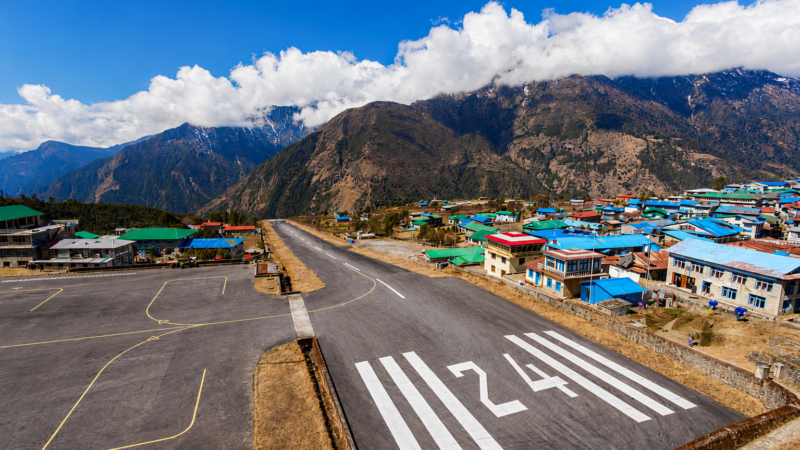
Everest View Trek 8 Days Itinerary
Carefully managed by experienced guides ideal for first-time Everest trekkers 70 Reviews
in TripAdvisor
70 Reviews
in TripAdvisor


Everest View Trek Quick Facts
Quick-reference guide to Everest View Trek duration, altitude, and stats.
-
Duration 8 Days
-
Trekking Days 07 Days
-
Max Altitude 3870 M
-
Group Size 2 – 15 Trekkers
-
Difficulty Moderate to Challenging (High-Altitude Trek)
-
Region Khubu Region
-
Best Season March–May & September – November
-
Start/End Point Kathmandu / Kathmandu
-
Accommodation Hotel | Tea House trekking




Everest View Trek Overview
The Everest View Trek is a short, rewarding Himalayan journey designed for travelers who want close-up mountain scenery without committing to extreme altitude trekking. This Mount Everest View Trek focuses on classic viewpoints, cultural villages, and comfortable walking days rather than pushing toward base camp. It delivers authentic Himalayan exposure through scenic Himalayan day hikes inside Sagarmatha National Park, making it ideal for first-time trekkers.
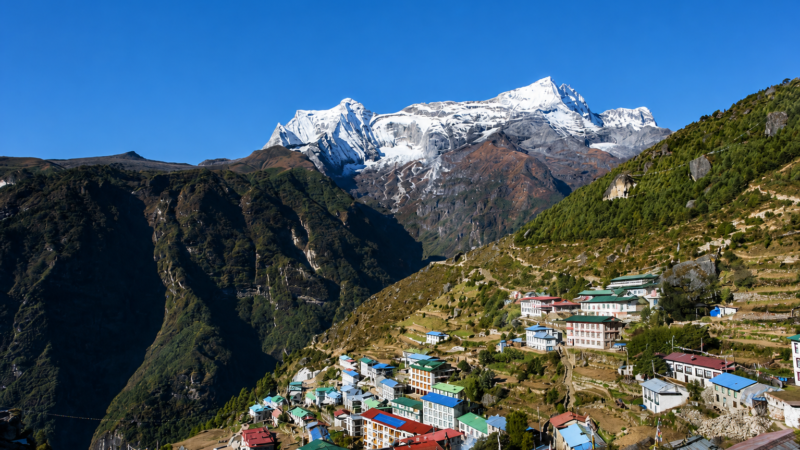
Unlike the Everest Base Camp route, this short Everest View Trek does not aim to reach the foot of Everest. Instead, it offers the iconic Everest base camp trek experience from carefully chosen vantage points around Namche and nearby ridges. The trail emphasizes cultural immersion, relaxed pacing, and visual reward, blending naturally with a moderate difficulty himalayan trek profile centered around Namche Bazaar.
Because of its shorter duration and balanced altitude gain, the Everest View Trek fits perfectly into short Nepal trekking itineraries. It is well suited for travelers with limited time, families, or those prioritizing comfort over endurance. With gradual elevation and built-in rest days, it supports sensible acclimatization tips for Everest trek while still delivering unforgettable views of Mount Everest and surrounding peaks.
Everest View Trek Itinerary (Day-by-Day)
Show All
Day 01: Fly from Kathmandu to Lukla, Trek to Phakding
-
 Elevation: 2,610 m (Phakding)
 -
 Duration: 40 min flight, 3–4 hours trek
Day 02: Trek from Phakding to Namche Bazaar
-
Elevation: 3,440 m (Namche Bazaar)
-
Duration: 5–6 hours
Day 03: Acclimatization Day at Namche Bazaar
-
Elevation: 3,440 m (hikes up to ~3,800 m)
-
Duration: 3–4 hours (acclimatization hikes)
Day 04: Namche Bazaar to Khumjung Village via Everest View Hotel
-
Elevation: 3,780 m (Everest View Hotel area)
-
Duration: 4 hours
Day 05: Khumjung Village to Tengboche Hike
-
Elevation: 3,860 m (Tengboche)
-
Duration: 4–5 hours
Day 06: Tengboche to Jorsale
-
Elevation: 2,830 m (Jorsale)
-
Duration: 6–7 hours
Day 07: Trek from Jorsale to Lukla
-
Elevation: 2,860 m (Lukla)
-
Duration: 5–6 hours

Day 08: Fly from Lukla to Kathmandu
-
Elevation: 1,350 m (Kathmandu)
-
Duration: 40 min
Cost Includes and Excludes
-
 Kathmandu international airport Pick up and drop off
-
Two nights Hotel accommodation in Kathmandu with breakfast
-
A professional and responsible trekking guide during the trek
-
Accommodation in the tea house during the trek (twin sharing)
-
All Necessary Trekking permits and paper work
-
Three meal a day (Breakfast, Lunch and Dinner) during the trekking
-
Trekking route map, duffel bag and water purification tablet
-
Domestic airport transfers by private car/jeep/van
-
Kathmandu-lukla-Kathmandu both way flight tickets
-
seasonal fruit salad during the trek as per availability
-
 Any Kinds of drinks
-
Personal expenses; hot shower, internet, battery charging
-
Tip to the guide and porter
-
Travel insurance
This cost and inclusion are based on standard group bookings. If you are not satisfied with the itinerary or package includes details, please contact us, we are happy to customize the trek according to your preferences.
Everest View Trek Route & Map Overview
The Everest View Trek follows a classic Khumbu valley route, beginning with a flight from Lukla and progressing through Namche Bazaar, ridge viewpoints, and Sherpa villages before returning via the same corridor. The trail lies within Sagarmatha National Park, combining river valleys, alpine forests, and panoramic ridgelines with controlled altitude gain.
"Everest View Trek route map showing Lukla entry, Namche Bazaar acclimatization, Everest View Hotel viewpoint, Khumjung, Tengboche, and return via the Dudh Koshi valley"
This route map helps trekkers visualize daily walking stages, altitude progression, and village connections, making it easier to understand entry and exit points, acclimatization flow, and how key Everest viewpoints fit into a short, well-structured Everest view trek itinerary.
Altitude & Acclimatization on the Everest View Trek
Altitude is a key factor, but exposure is carefully managed through smart pacing and itinerary design. Frequent built-in rest days and moderate elevation gains significantly reduce common high-altitude risks. This professional approach ensures trekkers adjust safely, making the journey to iconic viewpoints both secure and comfortable for those new to the Himalayas.
Maximum Sleeping Altitude
The highest overnight stay occurs near Tengboche Monastery, at approximately 3,860 m. Sleeping elevations remain below extreme zones, making this trek safer than many Everest-region routes. Combined with conservative ascent schedules, altitude adaptation occurs naturally without forcing prolonged high-elevation exposure.
Gradual Ascent Profile
The Everest View Trek is designed with a controlled elevation gain pattern to ensure a safe experience. By following a strategic path, the itinerary prioritizes health and comfort for every hiker.
- Flight entry into Lukla helps travelers avoid long, exhausting road ascents
- Early nights are spent at lower altitudes, staying safely below 3,000 m
- A dedicated acclimatization day at Namche Bazaar allows the body to adjust naturally
- Higher elevation points are only reached after the body has fully adapted to the thin air
This structured altitude design helps maintain comfort and safety throughout the entire journey. It effectively minimizes the risk of altitude sickness while maximizing the enjoyment of the Himalayan landscape.
Common Altitude Sickness Symptoms
While the Everest View Trek is a manageable journey, staying aware of how the body reacts to high altitude is essential. Recognizing early warning signs ensures a safer, more enjoyable experience on the Himalayan trails.
Common symptoms include:
- Mild headaches that may persist during the ascent
- Noticeable shortness of breath even during light activity
- General fatigue and loss of appetite after reaching higher camps
- Occasional dizziness during exertion on steep sections
- Disturbed sleep patterns as the body adjusts to lower oxygen levels
Early recognition of these altitude sickness symptoms allows for a timely response and prevents further complications. Staying hydrated and communicating with guides ensures trekking safety remains the top priority throughout the expedition.
Prevention & Mitigation
Adopting simple, healthy habits can significantly lower the chances of experiencing altitude-related issues. Prioritizing self-care on the trail ensures a smoother journey through the high-altitude Everest region.
Key prevention measures include:
- Maintaining a slow, steady walking pace to conserve energy
- Ensuring adequate hydration by drinking plenty of water daily
- Eating light but frequent meals to keep energy levels stable
- Avoiding alcohol and tobacco, which can hinder acclimatization
- Strictly respecting rest days to allow the body to recover
Listening to the body is essential at every stage of the Nepal trekking experience. These proactive prevention measures create a solid foundation for a successful and comfortable mountain expedition.
Role of Guides and Pacing
Having licensed trekking guides is a critical component of altitude safety and overall trip success. Their expertise transforms the challenges of thin air into a well-managed variable, providing peace of mind for every hiker.
- Monitoring walking speed to prevent overexertion and fatigue
- Enforcing rest breaks at strategic intervals along the trail
- Identifying early symptoms of altitude sickness before they become serious
- Adjusting daily pacing based on the group’s physical condition
- Managing itinerary flexibility to accommodate weather or health changes
- Coordinating emergency response and evacuation procedures if required
Their constant presence ensures that the Everest View Trek remains a secure and rewarding adventure. Professional guidance is the most effective way to manage high-altitude risks while enjoying the majestic Himalayan scenery.
The Everest View Trek maintains altitude within manageable limits through gradual ascent, conservative sleeping elevations, and structured pacing. With attentive guides and disciplined walking habits, acclimatization remains smooth and predictable rather than challenging.
Villages, Culture & Local Life Along the Trail
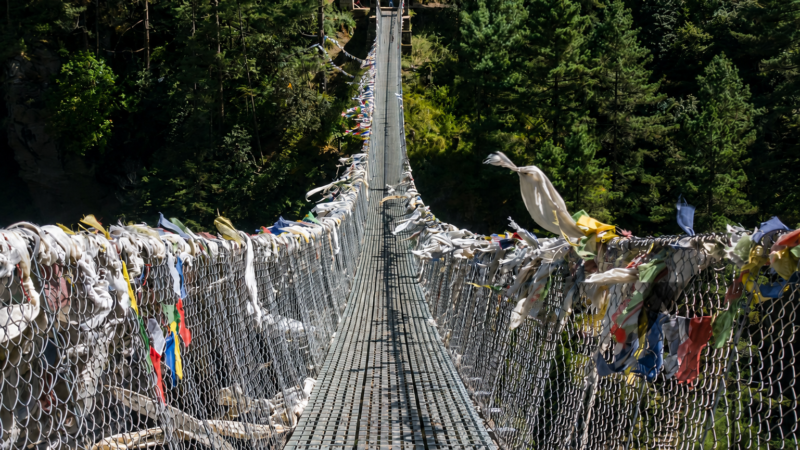
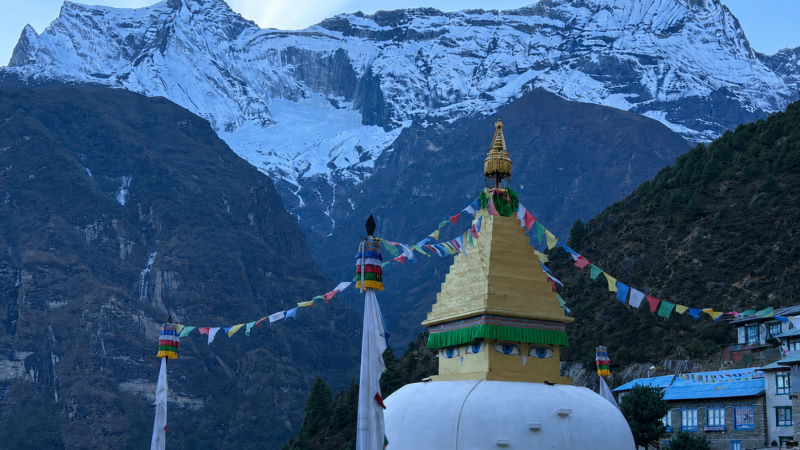
The trail passes through traditional Sherpa settlements such as Namche Bazaar, Khumjung Village, and villages near Tengboche Monastery, where daily life revolves around farming, trade, and trekking hospitality. Colorful Buddhist prayer flags, mani walls, and monasteries reflect deep-rooted Himalayan spiritual traditions.
Cultural interaction is most natural inside alpine tea houses, where trekkers share meals, stories, and simple routines with locals. These moments offer insight into Sherpa people lifestyles, seasonal rhythms, and the quiet resilience shaped by high-altitude living.
Natural Landscape, Wildlife & Conservation
The trek unfolds within Sagarmatha National Park, a protected Himalayan landscape known for dramatic elevation changes and rich biodiversity. Lower sections feature alpine forests and seasonal rhododendron blooms, gradually transitioning into open highland terrain as altitude increases.
Wildlife sightings may include Himalayan birds and occasional mountain species, while conservation rules promote eco-friendly trekking. Staying on trails, minimizing waste, and respecting local ecosystems support long-term sustainability and preserve this fragile mountain environment for future generations.
Is the Everest View Trek Beginner-Friendly?
Yes. The Everest View Trek is one of the most beginner-friendly treks in Nepal due to its short duration, moderate altitude, and well-established trail infrastructure.
- Fitness expectations: A basic level of fitness is enough. Regular walking, light cardio, and stair climbing prepare most beginners well for daily 4–5 hour hikes with gradual altitude gain.
- Prior trekking experience: Previous trekking experience is not required. The trail is clear, supported by tea house accommodation in the Everest region, and guided by professionals familiar with altitude acclimatization needs.
- Preparation tips
- Walk regularly before the trip
- Train with a light backpack
- Stay hydrated throughout the trek
- Follow acclimatization guidelines
- Listen to your guide
- Common beginner mistakes: Rushing the pace and ignoring early altitude sickness symptoms are common errors. Many beginners also underestimate sun exposure and hydration needs in alpine environments.
Benefits of Trekking with a Licensed Operator
Choosing a licensed operator ensures legal compliance, safety, and deeper local insight while trekking in the sensitive Everest region trekking packages zone.
Legal Requirements
Licensed operators manage permits and regulations required within protected areas.
- Government-registered trekking company
- Valid trekking guide license
- Permit handling support
- Local authority coordination
- Compliance with Nepal Tourism Board rules
This keeps your trek lawful and hassle-free.
Safety Implications
Professional operators prioritize safety across all trekking days.
- Trained guides and porters
- Emergency response planning
- Altitude monitoring
- Access to helicopter evacuation coverage
- Route and weather assessments
Safety planning reduces avoidable risks.
Local Expertise
Local teams enhance cultural and geographic understanding.
- Sherpa cultural insights
- Trail condition knowledge
- Best Everest photo spots
- Weather pattern awareness
- Village-based support networks
This adds depth beyond just walking the trail.
Ethical & Sustainable Tourism
Responsible operators protect both people and places.
- Fair porter treatment
- Support for local lodges
- Eco-friendly trekking practices
- Waste-reduction awareness
- Respect for Sherpa hospitality culture
Ethical trekking helps preserve the Khumbu for future generations.
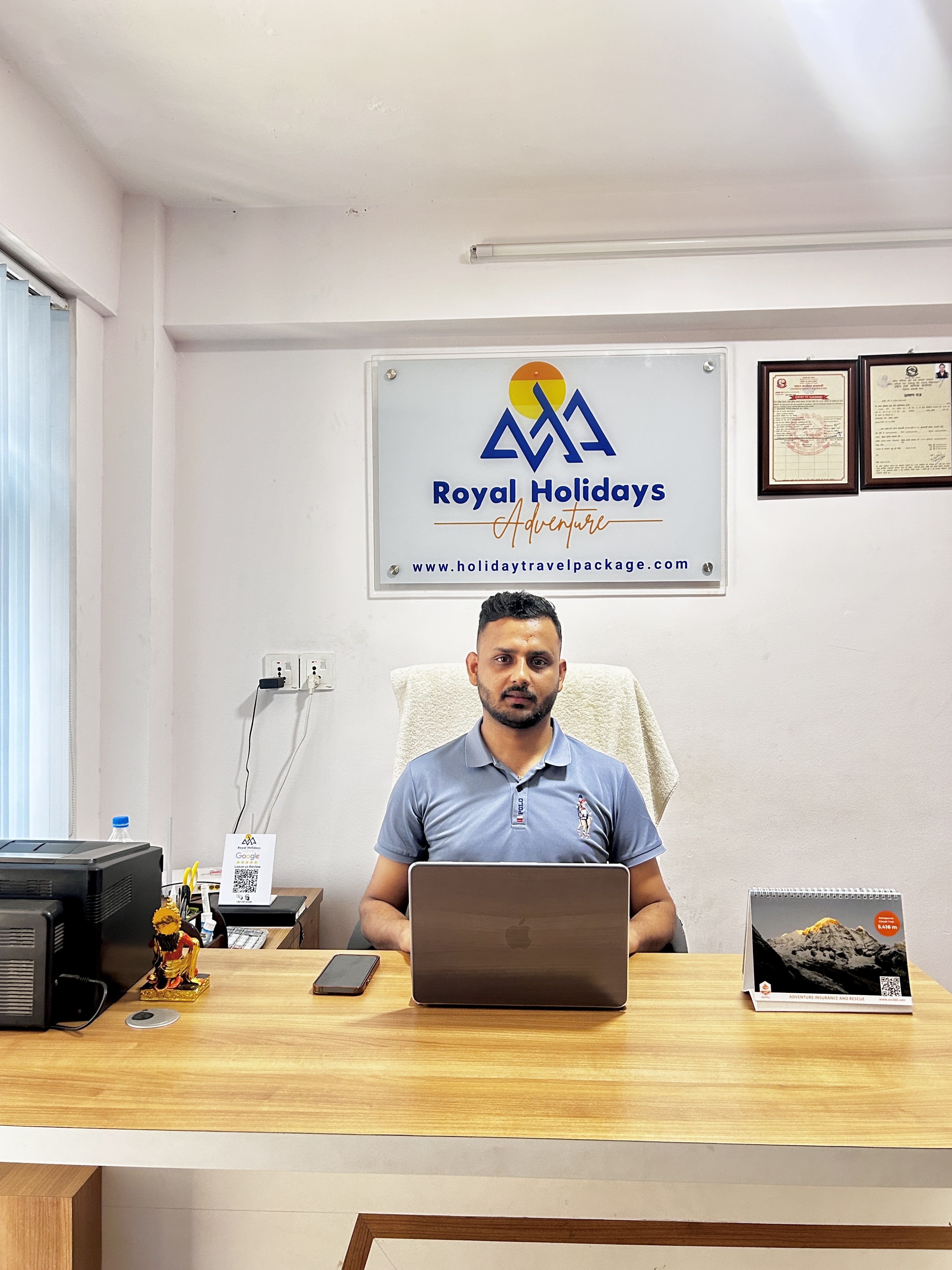
Plan Your Everest View Trek with Royal Holidays Adventure
Trek the Everest region with a licensed local operator that understands Khumbu terrain, altitude safety, and Sherpa culture at ground level. Our Everest View Trek is designed by registered Khumbu operators, led by experienced guides, and supported by proven logistics, permits compliance, and responsible trekking practices.
If you’re comparing routes, costs, or dates, talk to our trek specialists for honest guidance before you decide. When you’re ready to move forward, contact us directly or call now to secure your Everest View Trek with a trusted local team and confirmed departures.
Everest View Trek 8 Days Itinerary FAQs
Find answers to the most common questions about the Everest View Trek 8 Days Itinerary, including permits, itinerary, cost, and difficulty.
How close does the Everest View Trek get to Mount Everest?
The Everest View Trek gets as close as 20-25 km (12-15 miles) to Mount Everest base camp. While you do not reach the base of the mountain, locations like the Everest View Hotel and Tengboche Monastery offer clear, majestic sights of the peak and the surrounding Lhotse-Nuptse ridge.
What are the best viewpoints for Everest on this route?
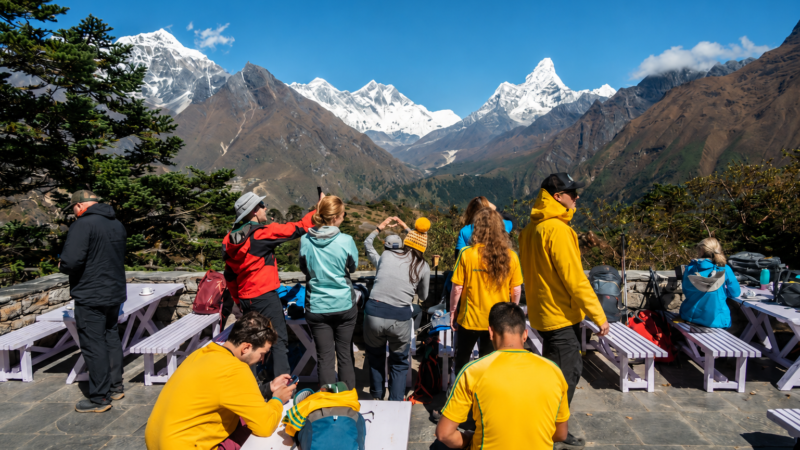
The best viewpoints for Everest on this route are located on the ridge above Namche, notably at the Everest View Hotel and Tengboche. These spots provide stunning Himalayan panoramas, making the route perfect for travelers who want clear photos of the world’s highest peaks.
How crowded is the Everest View Trek compared to EBC?
The Everest View Trek is not as crowded as compared to EBC full journey. This route avoids long caravan traffic and spreads hikers across various villages. Because it is shorter, the trail feels much quieter and less congested, especially beyond the Namche Bazaar hub.
What kind of toilet facilities are available during the trek?
Toilet facilities available during the trek are basic but functional, typically featuring shared squat toilets in traditional tea houses. These facilities improve in larger villages, though remote areas remain simple. These setups are standard throughout most Everest-region tea house trekking routes.
Are vegetarian or special diets easily available on the trail?
Yes, vegetarian or special diets are easily available on the trail, as most tea houses offer meat-free staples like Dal Bhat. While vegetarian meals are common, those requiring special diets like vegan or gluten-free should inform guides early to ensure proper meal planning at higher altitudes.
Can this trek be done with children or senior travelers?
Yes, this trek can be done with children or senior travelers if the pace and rest days are adjusted. The Everest View Trek suits children and senior travelers due to its moderate altitude, shorter daily distances, and proximity to villages with reliable support and medical facilities.
How much cash should I carry during the trek?
You should carry at least NPR 3,000 to 5,000 per day during the trek to cover meals, drinks, and charging. Since ATMs are rare beyond Namche, it is vital to carry cash in local currency for all tea house expenses and personal services.
What happens if someone gets altitude sickness on this trek?
If someone gets altitude sickness on this trek, guides respond immediately with rest or descent to lower ground. On this trek, altitude sickness is managed early due to the gradual ascent. Serious altitude sickness cases involve emergency evacuation protocols coordinated quickly from nearby villages.
Are there any cultural rules trekkers should follow in Sherpa villages?
Yes, there are several cultural rules trekkers should follow in Sherpa villages to show respect for local traditions. In these villages, travelers should walk clockwise around shrines, dress modestly, and seek permission before photography. These rules help preserve the sacred atmosphere of daily village life and monasteries.
How early should I book the Everest View Trek in peak season?
During peak season, you should book the Everest View Trek at least 6–8 weeks in advance to secure essential logistics. Early booking for the trek guarantees availability for mountain flights, professional guides, and preferred accommodation in the most popular villages along the route.