
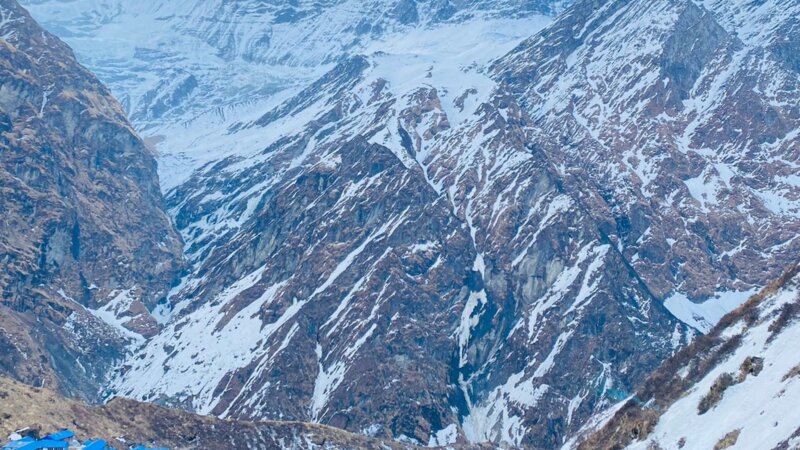
Annapurna Base Camp Trek | ABC Trek 10 Days Itinerary
 70 Reviews
in TripAdvisor
70 Reviews
in TripAdvisor


Annapurna Base Camp Trek: Essential Overview
Core trip information summarizing the Annapurna Base Camp trek at a glance.
-
Duration 10 Days
-
Trekking Days 6 Days
-
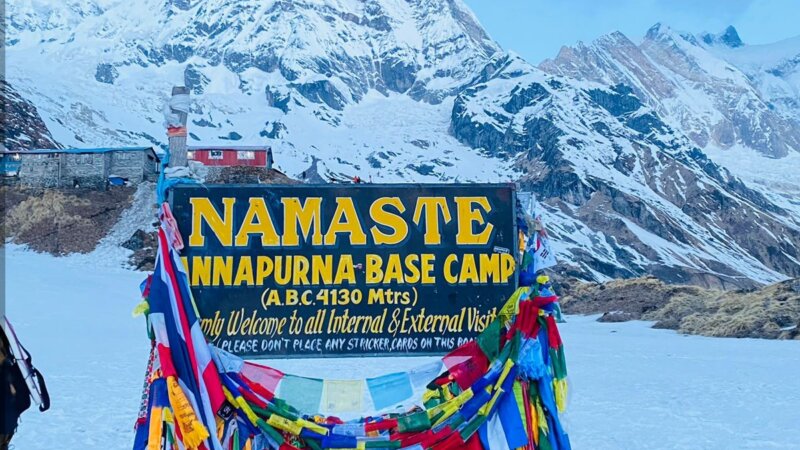
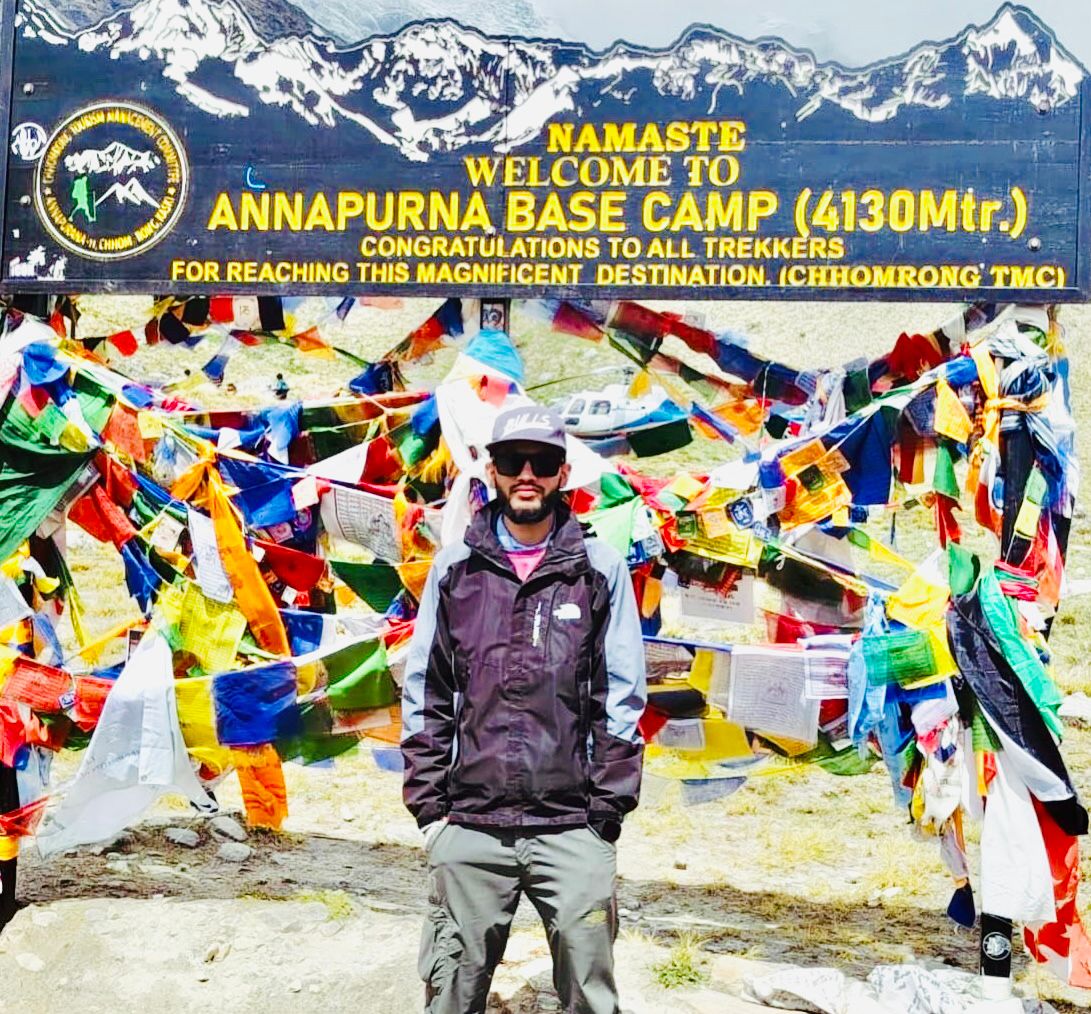
Max Altitude 4,130 m (Annapurna Base Camp)
-
Group Size 2 – 8 Trekkers
-
Difficulty Moderate
-
Region Annapurna Conservation Area, Nepal
-
Best Season March–May & September – November
-
Start/End Point Kathmandu / Kathmandu
-
Accommodation Hotel | Tea House trekking




About the Annapurna Base Camp Trek
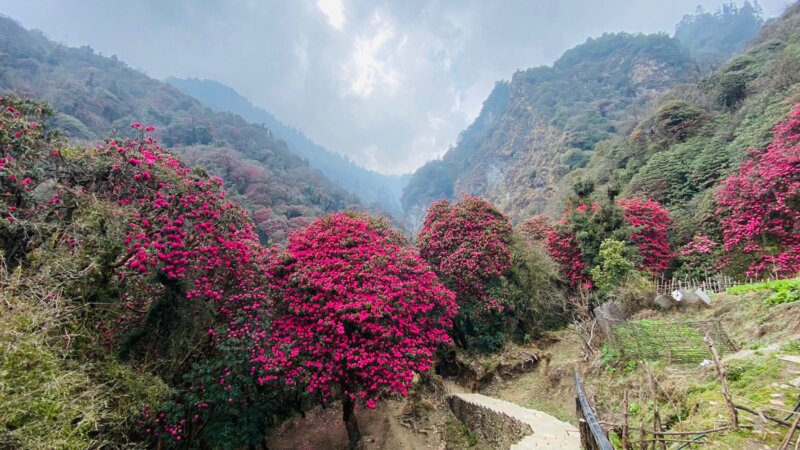
The ABC route is a straightforward mountain journey that takes you into the famous Annapurna Sanctuary and then returns along the same trail. It is a destination-focused trek, meaning there are no high mountain passes to cross. Often called the Annapurna Sanctuary trek, it follows clear paths through forests and villages inside the Annapurna Conservation Area, making it easier to plan and complete.
This trek is popular worldwide because it offers a lot in a short time. Known as a short trek in Nepal, it is easy to reach from Pokhara and combines mountain views with local culture. Passing through traditional settlements of the Gurung community, trekkers experience daily village life along with dramatic Himalayan scenery.
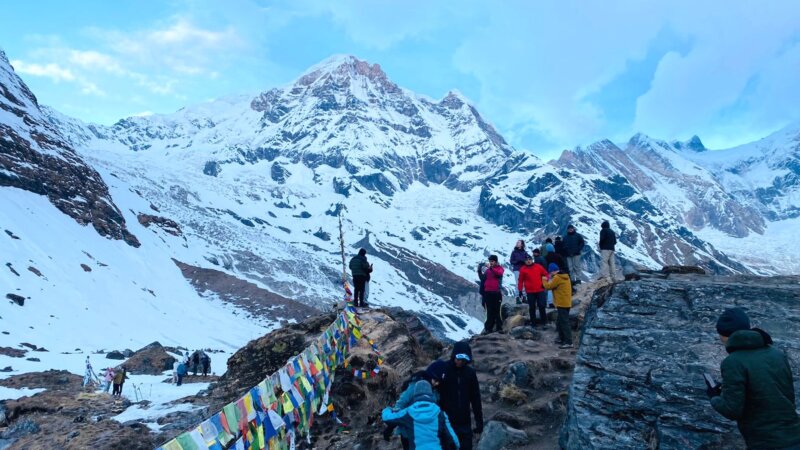
When compared at a high level, the ABC trek requires less time and effort than the Annapurna Circuit Trek and feels less demanding overall. It is also less crowded and stressful than Everest Base Camp, with lower altitude exposure. The trek stands out for its natural bowl-shaped valley, close-up mountain views near Machapucchre Base Camp, comfortable tea houses, and a steady, gradual gain in altitude.
10-Day Annapurna Base Camp Trek Itinerary (Day-by-Day)
Show All
Day 01: Drive from Kathmandu to Pokhara
-
 Elevation: ~820 m
 -
 Duration: 6–7 hours
Day 02: Drive from Pokhara to Ghandruk
-
Elevation: ~1,940 m
-
Duration: 5–6 hours
Day 03: Trek from Ghandruk to Chhomrong
-
Elevation: ~2,170 m
-
Duration: 5–6 hours
Day 04: Chhomrong to Bamboo Village
-
Elevation: ~2,310 m
-
Duration: 5–6 hours
Day 05: Bamboo to Deurali
-
Elevation: ~3,230 m
-
Duration: 4–5 hours
Day 06: Deurali to Annapurna Base Camp via Machapucchre Base Camp
-
Elevation: ~4,130 m
-
Duration: 5–6 hours
Day 07: Annapurna Base Camp to Bamboo Hike
-
Elevation: ~2,310 m
-
Duration: 6–7 hours
Day 08: Bamboo to Jhinu Danda
-
Elevation: ~1,780 m
-
Duration: 5–6 hours
Day 09: Drive from Jhinu Danda to Pokhara
-
Elevation: ~820 m
-
Duration: 3–4 hours

Day 10: Drive from Pokhara to Kathmandu
-
Elevation: ~1,350 m
-
Duration: 6–7 hours
Package Include Excludes
The cost Includes and excludes the following services
-
 Kathmandu international airport Pick up and drop off
-
Two nights Hotel accommodation in Kathmandu with breakfast
-
Two night hotel in Pokhara with breakfast
-
Kathmandu-Pokhara-Kathmandu both way tourist bus
-
Accommodation in the tea house during the trek (twin sharing)
-
A professional and responsible trekking guide during the trek
-
seasonal fruit salad during the trek as per availability
-
Three meal a day (Breakfast, Lunch and Dinner) during the trekking
-
Trekking route map, duffel bag and water purification tablet
-
All Necessary Trekking permits and paper work
-
 Any Kinds of drinks
-
Personal expenses; hot shower, internet, battery charging
-
Tip to the guide and porter
-
Travel insurance
This cost and inclusion are based on standard group bookings. If you are not satisfied with the itinerary or package includes details, please contact us, we are happy to customize the trek according to your preferences.
Annapurna Base Camp Trek Route & Map Overview
The Annapurna Base Camp trek route follows an out-and-back trail into the heart of the Annapurna Sanctuary. The journey usually starts from Pokhara, enters via villages like Ghandruk and Chhomrong, and climbs steadily through forests and valleys to Annapurna Base Camp, surrounded by towering peaks inside a natural mountain bowl.
A visual map showing the entry point from Pokhara, key villages such as Ghandruk and Chhomrong, Machapucchre Base Camp, and the final approach to Annapurna Base Camp within the sanctuary.
This route map helps you understand the overall trail flow, elevation gain, and how the trek moves in and out of the Annapurna Sanctuary without crossing any high mountain passes.
Altitude Considerations & Acclimatization on the ABC Trek
Altitude on the Annapurna base camp trek route is a key factor, but the route is designed with a steady ascent and safe sleeping elevations. With proper pacing and awareness, most trekkers adapt well without extreme altitude stress.
Maximum Sleeping Altitude
The highest overnight stay on the ABC trek is at Annapurna Base Camp (4,130 m), which is lower than many high-pass treks in Nepal. Prior nights are spent at gradually increasing elevations such as Deurali and Machapuchhre Base Camp, allowing the body time to adapt. Because trekkers sleep below the maximum daytime altitude, the risk of severe altitude-related complications remains relatively moderate.
Gradual Ascent Profile
The Annapurna trek follows a progressive ascent that supports natural acclimatization rather than rapid altitude gain.
- Daily elevation increases are controlled and spread across villages like Chhomrong, Bamboo, and Deurali
- No sudden altitude jumps or pass crossings
- Built-in descent nights before and after reaching base camp
This profile makes the trek suitable for first-time Himalayan hikers.
Common Altitude Sickness Symptoms
Although the risk is moderate, trekkers should remain alert to altitude sickness signs.
Common symptoms include:
- Headache and dizziness
- Nausea or loss of appetite
- Fatigue and disturbed sleep
- Shortness of breath at rest
Early recognition and timely response usually prevent symptoms from worsening during the ABC trek.
Prevention & Mitigation
Managing altitude on the Annapurna trail is largely about discipline and pacing.
Key prevention measures include:
- Slow, consistent walking pace
- Proper hydration and nutrition
- Avoiding alcohol at higher elevations
- Listening to the body and resting when needed
Following these practices significantly reduces the likelihood of serious altitude-related issues.
Role of Guides and Pacing
Experienced guides play a critical role in altitude safety on the ABC trek.
- Monitor physical condition and breathing patterns
- Adjust daily pace based on group response
- Identify early altitude symptoms
- Recommend rest or descent when necessary
- Coordinate emergency response if required
Professional guidance ensures acclimatization remains controlled and stress-free throughout the trek.
"The Annapurna Base Camp trek reaches high altitude without exposing trekkers to extreme risk. Its gradual ascent, moderate sleeping elevations, and structured pacing create a safe acclimatization environment. With attentive guides and smart walking habits, altitude becomes a manageable challenge rather than a limiting factor."
Is the Annapurna Base Camp Trek Beginner-Friendly?
Yes, the Annapurna base camp trek is considered beginner-friendly due to well-marked trails, regular villages, and gradual altitude gain. With basic fitness and preparation, many first-time trekkers complete the trek safely.
- Fitness expectations: You should be able to walk 5–6 hours daily on uneven trails with stairs. Basic cardio fitness, leg strength, and endurance are enough; no climbing or technical skills are required.
- Prior trekking experience: Previous trekking experience helps but is not mandatory. Many beginners successfully complete the trek by walking at a steady pace and following proper acclimatization and rest schedules.
- Preparation tips:
- Practice walking with a backpack
- Do light cardio and leg exercises
- Learn basic altitude awareness
- Pack light and smart
- Common beginner mistakes: Beginners often walk too fast, ignore hydration, overpack gear, or underestimate altitude effects. These mistakes can cause fatigue or mild altitude sickness if not managed properly.
Why Trek Annapurna Base Camp with a Licensed Operator
Choosing a licensed operator for the Annapurna base camp trek ensures legal compliance, professional safety standards, and reliable on-ground support. It also improves trek quality through local knowledge, responsible practices, and structured logistics from start to finish.
Legal Requirements
Trekking with a licensed company keeps your journey fully legal and regulated.
- Government-registered trekking operator
- Licensed guide approved by Nepal authorities
- Valid TIMS card and ACAP permit handling
- Compliance with current trekking regulations
Safety Implications
Licensed operators reduce risks through planning and trained supervision.
- Structured acclimatization and pacing
- Emergency response and evacuation coordination
- First-aid trained guides
- Weather and trail risk assessment
Local Expertise
Local professionals add depth, safety, and clarity to the trek.
- Accurate route and village knowledge
- Understanding of altitude and terrain behavior
- Communication with local lodges and communities
- Cultural interpretation and guidance
Ethical & Sustainable Tourism
Responsible operators protect both nature and local livelihoods.
- Support for local guides and porters
- Compliance with conservation area rules
- Waste management and eco-friendly practices
- Respect for local culture and traditions
Plan Your Annapurna Base Camp Trek with Trusted Local Experts
Planning an Annapurna Base Camp trek is easier and safer when local experts handle the details. Our licensed guides know the route, weather patterns, and altitude risks inside out. From permits to pacing, every step is planned to keep the journey smooth, safe, and truly rewarding.
Start planning your trek with a team you can trust. Talk to our experts today for a personalized itinerary, or request a detailed quote now and take the first confident step toward the Annapurna Sanctuary.
Service includes & Exclueds
-
A professional and responsible trekking guide during the trek
-
Accommodation in the tea house during the trek (twin sharing)
-
All Necessary Trekking permits and paper work
-
Kathmandu international airport Pick up and drop off
-
Three meal a day (Breakfast, Lunch and Dinner) during the trekking
-
Trekking route map, duffel bag and water purification tablet
-
Two nights Hotel accommodation in Kathmandu with breakfast
-
Any Kinds of drinks
-
Personal expenses; hot shower, internet, battery charging
-
Tip to the guide and porter
-
Travel insurance
This cost and inclusion are based on standard group bookings. If you are not satisfied with the itinerary or package includes details, please contact us, we are happy to customize the trek according to your preferences.


Annapurna Base Camp Trek | ABC Trek 10 Days Itinerary FAQs
Find answers to the most common questions about the Annapurna Base Camp Trek | ABC Trek 10 Days Itinerary, including permits, itinerary, cost, and difficulty.
Is it possible to customize the Annapurna Base Camp trek itinerary?
Yes, it is possible to customize the Annapurna Base Camp trek itinerary based on time, fitness, and interests. The trek itinerary can include extra rest days, side trips, or shorter walking hours, while still following the standard ABC trek route safely.
Are rest days required on the Annapurna Base Camp trek?
Yes, rest days are required on the Annapurna Base Camp trek for proper acclimatization and recovery. On the trek, rest days help reduce altitude stress, manage fatigue, and improve safety. While not many, planned pauses make the ABC trek more comfortable.
At what altitude do most trekkers feel symptoms on the ABC trek?
Most trekkers on the ABC trek feel symptoms from 3,000 m onward. Altitude symptoms often begin around Deurali or Machhapuchhre Base Camp. The Annapurna trek altitude increases gradually, but sensitivity varies by individual.
What happens if someone cannot continue trekking due to illness?
If someone cannot continue trekking due to illness, our guides assess the condition immediately. What happens next depends on symptoms: rest and descent come first. If the person cannot continue trekking, evacuation by jeep or helicopter is arranged, prioritizing safety and recovery.
How cold does it get at Annapurna Base Camp during peak seasons?
During peak seasons, temperatures at Annapurna Base Camp typically range from 10°C (50°F) during the day to -10°C (14°F) at night. While spring and autumn offer sunny days, it gets cold at the base camp once the sun sets, especially at an altitude of 4,130m. It is vital to pack high-quality thermals and a down jacket to stay warm when it gets cold during peak seasons.
How slippery are the stone steps on the ABC trek?
Very slippery. The stone steps on the ABC trek become particularly dangerous during the monsoon or after a morning frost. There are thousands of stone steps between Chhomrong and Bamboo that turn into a hazard when wet. To safely walk on these slippery stone steps, you must use trekking poles and high-traction boots to avoid falls on the ABC trek.
Do tea houses on the ABC trek have heating or electric blankets?
No. Most tea houses do not provide heating or electric blankets in sleeping rooms. Heating is usually limited to the dining area in the evenings. A warm sleeping bag is important, as room temperatures drop significantly at higher elevations.
Are hot showers available throughout the Annapurna Base Camp trek?
Yes, hot showers are available in most villages throughout the Annapurna base camp trek, but availability decreases with altitude. Lower areas offer better facilities, while higher lodges rely on solar or gas systems. Water temperature can be inconsistent, and showers usually cost extra, especially above Deurali.
How much cash should I carry for the Annapurna Base Camp trek?
For the Annapurna Base Camp trek, we recommend that you carry NPR 25,000–35,000 in cash. There are no ATMs after starting the ABC trek. Cash is needed for meals, hot showers, charging devices, and personal expenses along the route.
What time of day is best to reach Annapurna Base Camp?
Late morning is the best time to reach Annapurna base camp. Weather is usually clearer, and temperatures are more comfortable. Afternoon clouds often roll in later in the day, reducing visibility. Arriving earlier also gives time to rest and enjoy the surroundings without rushing.
Is sunrise at Annapurna Base Camp better than Poon Hill?
They offer different experiences. Sunrise at Annapurna Base Camp feels dramatic because you are surrounded by high peaks. Poon Hill provides a wider, panoramic view with less effort. Which is better depends on whether you prefer immersion or an easier viewpoint.