
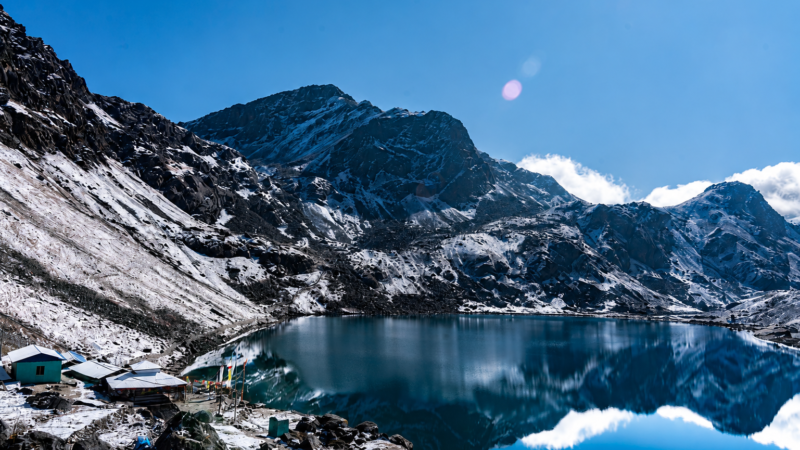
Gosaikunda Lake Trek
 70 Reviews
in TripAdvisor
70 Reviews
in TripAdvisor


-
Duration 6 to 9 days depending on route and start point
-
Max Altitude Gosaikunda Lake, 4,380 meters
-
Group Size 2 – 15 Trekkers
-
Difficulty Moderate to challenging
-
Region Langtang Region, Langtang National Park
-
Best Season March to May and September to November
-
Start/End Point Sundarijal or Dhunche, Kathmandu Valley
-
Accommodation Local tea houses along the trail


About the Gosaikunda Lake Trek
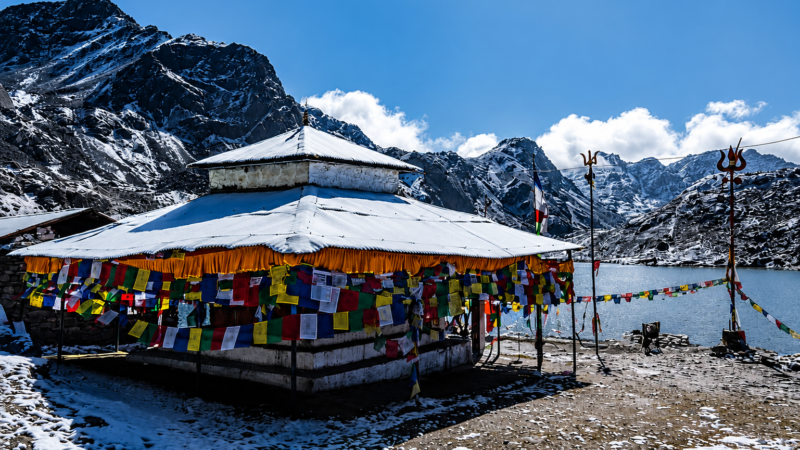
The Gosaikunda Lake Trek, situated in the Langtang region of Nepal, offers a moderate hike with several glacial lakes that are revered as sacred by both the Hindu and Buddhist communities. The route is run by Royal Holidays Adventure as a guided hike with a permit that is appropriate for those with some multi-day walking experience looking for a shorter route than the longer one to Everest or Annapurna circuit. The trail is within Langtang National Park, a protected conservation area about one day's drive north of Kathmandu, and the trek takes about 6-9 days, depending on the trailhead that one starts from and speed chosen.
What Makes the Gosaikunda Trek Different
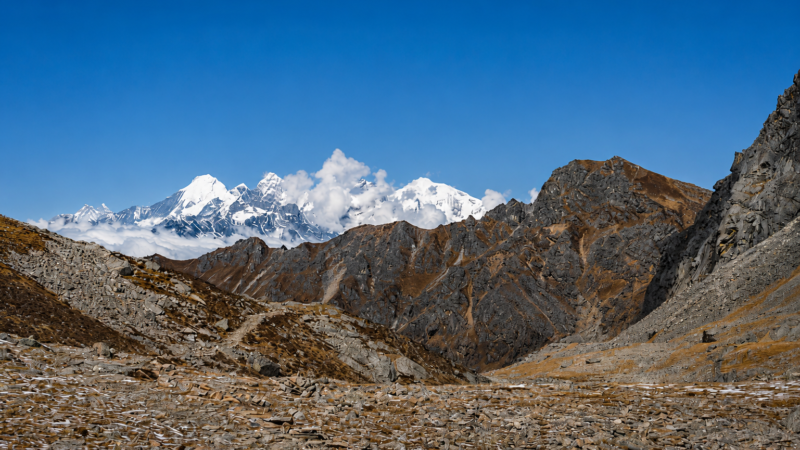
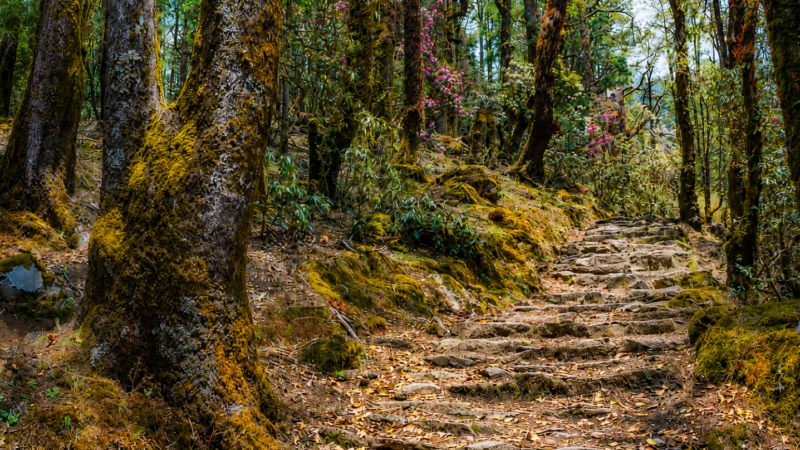
However, the Gosaikunda Lake Trek can be accomplished in a week without any long days of acclimatization, unlike longer expedition style treks. Although the route is shorter, it still has an inherent altitude risk of over 4,000 meters and Royal Holidays Adventure uses the same safety measures with the longer Langtang Gosaikunda Trek itineraries. The trail winds through rhododendron and oak forests and then out onto ridgelines with a clear view of the Langtang Himal and provides a range of different terrains in a short time.
Trekking vs Helicopter Tour to Gosaikunda Lake
For those who can't take a week, you can access Gosaikunda Lake with a helicopter from Kathmandu in just one day and then spend a few hours near the lake before heading back. This eliminates the acclimatization process altogether and involves the risk of altitude so is usually not advised for people who have time restrictions but rather as a means of avoiding physical exertion. The walking path is still the best way to enjoy the Gosaikunda Lake Trek appropriately as this permits the body to acclimatize gradually while also providing access to the villages, forest areas and ridge viewpoints which are missed by the helicopter tour.
Gosaikunda Lake Trek Itinerary - 6 Days
Show All
Day 01: Kathmandu to Dhunche
-
 Accomodation: Tea house / Lodge
 -
 Meals: Breakfast, Lunch, Dinner
 -
 Elevation: 1,960 m
 -
 Duration: ~5-6 hours
 -
 Distance: ~117 km
Day 02: Dhunche to Chandanbari (Sing Gompa)
-
Accomodation: Tea house / Lodge
-
Meals: Breakfast, Lunch, Dinner
-
Elevation: 3,330 m
-
Duration: ~5-6 hours
-
Distance: ~10-11 km
Day 03: Chandanbari to Gosaikunda Lake
-
Accomodation: Tea house / Lodge
-
Meals: Breakfast, Lunch, Dinner
-
Elevation: 4,380 m
-
Duration: ~6-7 hours
-
Distance: ~8 km
Day 04: Gosaikunda to Chandanbari
-
Accomodation: Tea house / Lodge
-
Meals: Breakfast, Lunch, Dinner
-
Elevation: 3,330 m
-
Duration: ~5-6 hours
-
Distance: ~8 km
Day 05: Chandanbari to Dhunche
-
Accomodation: Tea house / Lodge
-
Meals: Breakfast, Lunch, Dinner
-
Elevation: 1,960 m
-
Duration: ~5 hours
-
Distance: ~18-20 km

Day 06: Dhunche to Kathmandu
-
Accomodation: Not Included
-
Meals: Breakfast, Dinner
-
Elevation: 1,400 m
-
Duration: ~5-6 hours
-
Distance: ~117 km
Altitude & Acclimatization on Gosaikunda Lake Trek
The sleeping elevation of this trek is approximately 3900 m at Laurebina, and the summit is Gosaikunda Lake 4380 m. The difference between sleeping and walking altitudes takes into account the general principle of acclimatization, to climb high and sleep low, but there is not as much time for relaxation as there is no longer trips.
Recognizing AMS Symptoms
Acute Mountain Sickness (AMS) is a common condition that can affect trekkers of all fitness levels, and manifests as more than tiredness, and includes headache, nausea, dizziness and fatigue. During the Gosaikunda Lake Trek, the signs are observed on a day to day basis by Royal Holidays Adventure guides as the early symptoms can be treated with rest and hydration but escalating symptoms call for an immediate descent. Guides are trained to make a decision about whether to proceed or to treat a situation of confusion, loss of coordination or breathlessness at rest as a medical emergency, not an experience that should be endured.
Why Professional Guidance Matters at Altitude
On a trek that takes place in just 10 days, between 4,380 meters, altitude related decisions must often be made quickly and without the emotional involvement a trekker would have to the completion of the trek on time. Royal Holidays Adventure guides have basic oxygen at their disposal and they will communicate with a base office in Kathmandu every day, so that the evacuation can be initiated immediately, should a client's condition not improve with rest. This is one of the most obvious practical reasons that independent trekkers are recommended not to do Langtang Gosaikunda Trek without hiring a trekking guide, especially during off seasons when other trekkers are not present on the trail.
Gosaikunda Lake Trek vs Other Popular Treks
While considering going for the Gosaikunda Lake Trek in Nepal or another popular route, one should not consider the former as a simple replacement for the latter, but rather the time duration, altitude and crowd levels.
| Trek | Duration | Max Altitude | Best For |
| Gosaikunda Lake Trek | 6 to 9 days | 4,380 m | Short high-altitude trip with sacred lakes |
| Annapurna Base Camp | 10 to 12 days | 4,130 m | Longer, more varied scenery and villages |
| Langtang Valley Trek | 7 to 10 days | 3,870 m | Culture-focused, gentler altitude profile |
| Panchpokhari Trek | 9 to 12 days | 4,100 m | Remote, less-crowded alternative |
The Gosaikunda Lake trek is not as long as Annapurna Base camp, nor as high as altitudes, and it's a great trek for those who can't make the trek for long periods but have the same fitness level. Gosaikunda is also at a higher elevation and puts more physical strain on the body every day than the standard trek to the Langtang Valley, whereas Panchpokhari is more developed and quieter than Gosaikunda so it can give the trekkers a similar experience with less other people on the trail. These are all alternatives to the Gosaikunda Lake Trek which offers the sacred-site pilgrimage aspect as well as strong mountain views.
Is Gosaikunda Lake Trek Suitable for Beginners?
With its rapid ascent to the height, Gosaikunda Lake Trek is not the easiest introduction to the Himalayas for beginners, but if the trekkers have done some hill walking or regular cardio exercises before the trip, this trek can be suitable. If you have no hiking experience, try an easier trail with a lower elevation before trying this one.
Fitness and Preparation Expectations
The Gosaikunda Lake Trek is a 6–8-week realistic preparation period, involving consistent cardio and leg strengthening exercises, which also include hikes using loaded day packs. Many trekkers find it is not the altitude itself that is the problem, but the daily hike up hill to where they are going, and the fact that the walking of the legs and lungs over a number of consecutive days is what is really demanding, not the altitude, no matter how fast they move the schedule up the hill.
The Gosaikunda Trek is a suitable and attainable first high altitude trek for a fit and experienced day hiker with appropriate gear and a well-planned route that allows for a slow pace. Although it is not a recommended first-time outdoor trip of any kind, Royal Holidays Adventure strongly advises that the potential trekker be honest with the guide when booking as to fitness so the guide can pace the trek accordingly and not end up with a mismatch on the trail.
Why Choose Royal Holidays Adventure for Gosaikunda Lake Trek
Royal Holidays Adventure does not collect the logistical elements on an ad hoc basis; it has a fixed evacuation plan for all the itineraries, pre-arranged permits and a licensed guide with whom all the arrangements have been made for the Gosaikunda Lake Trek. This is particularly important on a line that goes to high altitudes in a limited time frame during which there is little room to correct for mistakes.
Guides and porters with Royal Holidays Adventure are from the Langtang region and have first-hand experience of the conditions on the trail, reliability of the tea houses and local customs on the Gosaikunda Trail. The company adheres to Langtang National Park's waste-guidelines and waste-control guidelines during all trips and emphasizes hiring local personnel, which means that a lot of trekking money is channeled into the communities visited but not solely to outside operators.
Book Your Gosaikunda Lake Trek with Experts
The Gosaikunda Lake Trek is one of the best short Himalayan treks in Nepal and with a good trekking company, you can enjoy the trek safely and with a high level of fun. Royal Holidays Adventure has been organizing treks in Langtang for years, and all the treks are guided by licensed and knowledgeable local guides who know the best route, know the weather and are also familiar with the high-altitude environment.
Our team handles the arrangements that are needed for the trek from the time you book your trek until your trek ends, including the arrangements for trekking permits, transportation, accommodation in tea houses, and the day-to-day arrangements. We concentrate on thoughtfully crafted routes that enable trekkers to savor the experience at their own pace, while adhering to safety regulations. Our guides are trained to help with altitude related issues and to support you on your trip so that you can travel with confidence.
We have both fixed group and private tours for solo travelers, families and groups, in the best trekking seasons. You can also add extra acclimatization days or a slower pace for your needs and fitness level. Call Royal Holidays Adventure today to find out more about the Gosaikunda Lake Trek, view upcoming dates and start your next Himalayan adventure with a trusted local team.
Gosaikunda Lake Trek FAQs
Find answers to the most common questions about the Gosaikunda Lake Trek, including permits, itinerary, cost, and difficulty.
1. How many days does the Gosaikunda Lake Trek take?
Typically, an itinerary is 6 to 9 days as the trailhead in question is Sundarijal or Dhunche, and the desired speed. The typical Royal Holidays Adventure package is for about a week in duration and includes a day to transfer on the road at the beginning and end of the trip and a full day of walking from the last night after the summit push to the lake.
2. What is the highest point on the Gosaikunda Trek?
Gosaikunda Lake at 4,380 m above sea level is the highest point. Some itineraries cross over the Laurebina La pass at a similar or slightly higher altitude if the route extends onwards towards Helambu; the usual round trip package ends at the lake and then descends back to Dhunche.
3. Do I need a guide for the Gosaikunda Trek?
It is strongly recommended to have a licensed guide for Langtang National Park, and depending on the park regulations, it may even be required to enter the restricted area. Permit checkpoints are handled by guides, and they must constantly track altitude effects and arrange for an evacuation in case of emergency, tasks that are hard to manage without the help of local people or the Nepali language.
4. Is the Gosaikunda Trek safe for solo travelers?
Solo travelers can participate in group departure through an agency even if he or she goes alone, as opposed to trekking all by himself or herself. The regulations regarding solo trekking in certain areas of Nepal have been evolving over time and it is important to know what the regulations are for solo trekking before departure, so it is advisable to contact the Nepal Tourism Board in advance.
5. What is the best time of year for the Gosaikunda Lake Trek?
The best weather and the safest conditions along the trail are in the spring (March-May) and fall (September-November). Well-equipped trekkers can undertake the journey during winter (snow and cold above 3,500 meters), but from June to August the monsoon season offers poor visibility, rain, and the presence of leeches, which make the trek a lot less enjoyable.
6. Can beginners do the Gosaikunda Trek?
This trek is relatively easy and can be done by people who are not that experienced in hiking and have done some preparation for doing cardio exercises for the past few weeks but is not the easiest introduction to the Himalayas due to the amount of altitude reached in a short period of time. Those hikers who haven’t hiked before should find a path which is less elevated before trying Gosaikunda.
7. How cold does it get at Gosaikunda Lake?
Even at the recommended spring and autumn months, overnight low temperatures can plunge below freezing point on night during cold season near Laurebina and Gosaikunda Lake, reaching negative 10 to negative 15 degree Celsius at night in colder season. When the skies are clear, the daytime temperatures are cooler, but it is still important to have the right equipment for both warm and cool weather.
8. What permits do I need for the Gosaikunda Trek?
There are two permits: Langtang National Park Entry Permit and TIMS card. Both are inspected at Dhunche and at the trail’s rest stops and if you fail to have one you may be fined or even refused entrance to the trail.
9. Is Gosaikunda Lake frozen in winter?
Absolutely, Lake Gosaikunda usually freezes over in winter months from December to February and the trail in the vicinity can be snowed, even the high sections. If a trekking to the trail is made during the winter season, it is advisable that the trekker check the current trail conditions with the agency before giving a date of departure.
10. How much does the Gosaikunda Lake Trek cost?
Royal Holidays Adventure packages typically cost between 650 and 900 USD per person for a typical group tour and are dependent on the size of the group, season and duration of the trip. This typically covers guide, porter, permits, tea house lodging, and meals for the trek and the international flights, visa, and personal insurance will be charged extra.