
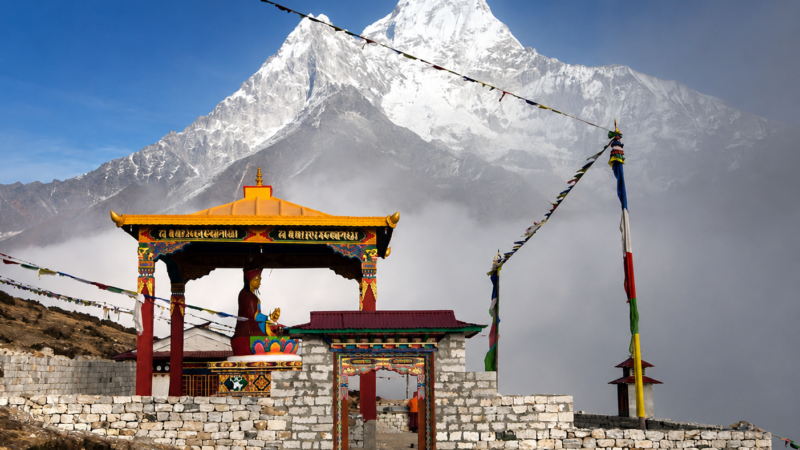
Everest Base Camp Trek with Gokyo Lake
 70 Reviews
in TripAdvisor
70 Reviews
in TripAdvisor


Everest Base Camp Trek with Gokyo Lake | Trip Overview
Here is a quick summary of what to expect on this trek:
-
Duration 15 Days
-
Max Altitude 5,545 m (Kala Patthar)
-
Group Size 2 – 15 Trekkers
-
Difficulty Strenuous / High-Altitude
-
Region Khumbu, Sagarmatha National Park, Nepal
-
Best Season March–May & September–November
-
Start/End Point Lukla (via Kathmandu)
-
Accommodation Hotel | Tea House trekking




About the Everest Base Camp Trek with Gokyo Lake
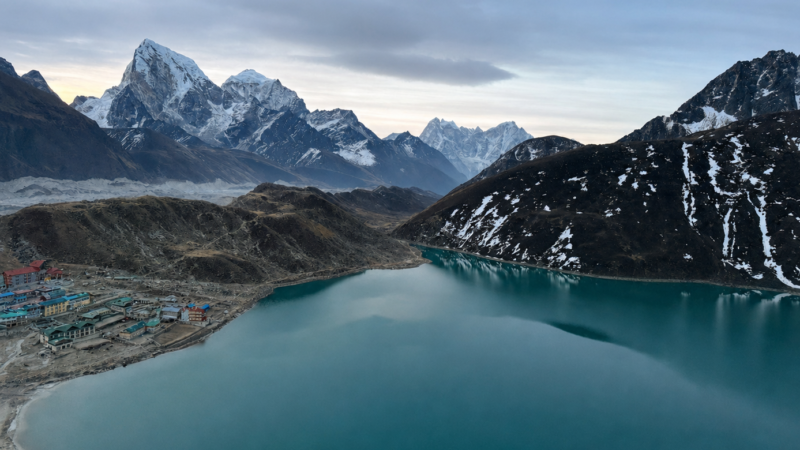
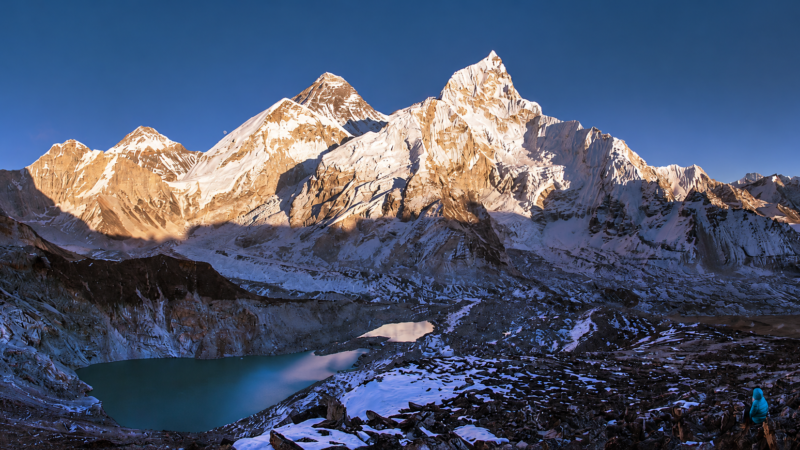
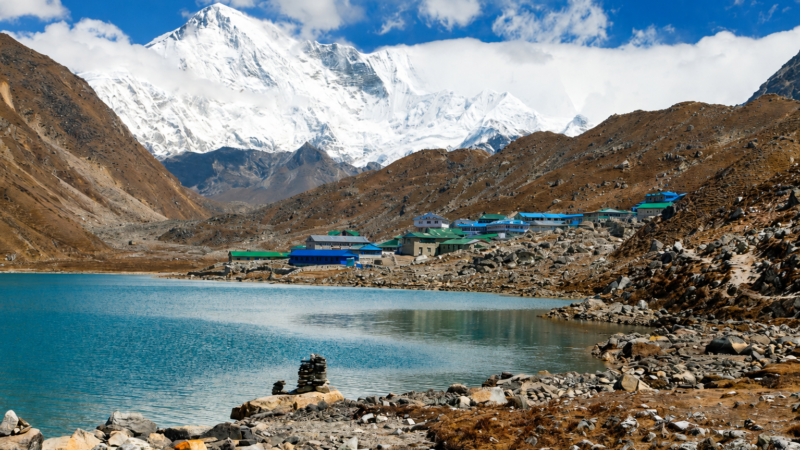
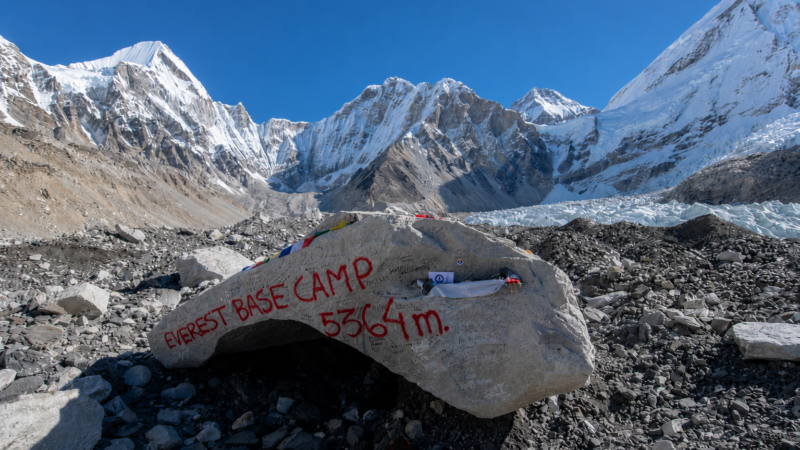
The Everest Base Camp Trek with Gokyo Lake is a combined high-altitude trekking route in northeastern Nepal that lets you reach two extraordinary destinations in one expedition. Everest Base Camp (5,364 m) sits at the foot of Mount Everest in the Khumbu Region within Sagarmatha National Park, a UNESCO World Heritage Site. Gokyo Lake, located slightly northwest of the standard EBC route, is a series of glacial lakes nestled above 4,700 m, renowned for their vivid turquoise colour and the sweeping views from Gokyo Ri (5,357 m).
This is not a climb, it is a trek. You walk established trails through rhododendron forests, cross dramatic suspension bridges over glacial rivers, and gain altitude gradually through a network of Sherpa villages. What separates the EBC with Gokyo Lake route from the standard base camp trek is the Cho La Pass crossing (5,420 m), which connects the Gokyo Valley to the Khumbu side. It is a physically demanding section but also one of the most visually stunning passages in the entire Himalayas.
The trek is designed for people who are physically fit, mentally prepared for long walking days at altitude, and genuinely curious about mountain culture. First-time high-altitude trekkers can undertake this with proper preparation and professional guidance. Royal Holiday Adventure designs this route with deliberate rest days, and acclimatization stops so that your body adjusts safely, not just so you reach the destination, but so you enjoy every step of getting there.
15 Days EBC Trek with Gokyo Lake Itinerary
Show All
Day 1: Fly from Kathmandu to Lukla and Trek to Phakding
-
 Meals: Breakfast, Lunch, Dinner
 -
 Elevation: 2,651M
 -
 Duration: ~4 hours
Day 2: Trek from Phakding to Namche Bazaar
-
Meals: Breakfast, Lunch, Dinner
-
Elevation: 3,440M
-
Duration: ~5 hours
Day 3: Acclimatization Day in Namche Bazaar
-
Meals: Breakfast, Lunch, Dinner
-
Elevation: 3,800M
-
Duration: ~4 hours
Day 4: Trek from Namche Bazaar to Phortse Thanga
-
Meals: Breakfast, Lunch, Dinner
-
Elevation: 3,680M
-
Duration: ~5 hours
Day 5: Trek from Phortse Thanga to Machhermo
-
Meals: Breakfast, Lunch, Dinner
-
Elevation: 4,470M
-
Duration: ~4 hours
Day 6: Trek from Machhermo to Gokyo
-
Meals: Breakfast, Lunch, Dinner
-
Elevation: 4,800M
-
Duration: ~5 hours
Day 7: Acclimatization Day, Hike to Gokyo Ri
-
Meals: Breakfast, Lunch, Dinner
-
Elevation: 5,360M
Day 8: Trek from Gokyo to Thagnak
-
Meals: Breakfast, Lunch, Dinner
-
Elevation: 4,750M
-
Duration: ~5 hours
Day 9: Trek from Thagnak to Dzongla via Cho La Pass
-
Meals: Breakfast, Lunch, Dinner
-
Elevation: 5,367M
-
Duration: ~7 hours
Day 10: Trek from Dzongla to Lobuche
-
Meals: Breakfast, Lunch, Dinner
-
Elevation: 4,940M
-
Duration: ~5 hours
Day 11: Trek Lobuche to Everest Base Camp, Back to Gorak Shep
-
Meals: Breakfast, Lunch, Dinner
-
Elevation: 5,170M
-
Duration: ~7 hours
Day 12: Trek from Gorak Shep, Kala Patthar to Pheriche
-
Meals: Breakfast, Lunch, Dinner
-
Elevation: 5,550M
-
Duration: ~7 hours
Day 13: Trek from Pheriche to Namche Bazaar
-
Meals: Breakfast, Lunch, Dinner
-
Elevation: 3,440M
-
Duration: ~6 hours
Day 14: Trek from Namche Bazaar to Lukla
-
Meals: Breakfast, Lunch, Dinner
-
Elevation: 2,800M
-
Duration: ~6 hours

Day 15: Fly from Lukla to Kathmandu
-
Meals: Breakfast, Lunch, Dinner
-
Elevation: 1,340M
-
Duration: ~30 minutes
Everest Base Camp Trek with Gokyo Lake Difficulty Level
This is a strenuous, high-altitude trek. The physical difficulty comes from daily elevation gains, long walking hours over 10–14 days, the Cho La Pass crossing on glaciated terrain, and the sustained altitude above 4,000 m for much of the route. The trail itself has no technical climbing sections, but altitude, cold, and cumulative fatigue make this a serious undertaking.
Difficulty Comparison with Other Major Nepal Treks
| Trek | Max Altitude | Duration | Difficulty | Technical Terrain |
| EBC with Gokyo Lake | 5,545 m | 15 days | Strenuous | Cho La Pass (glaciated) |
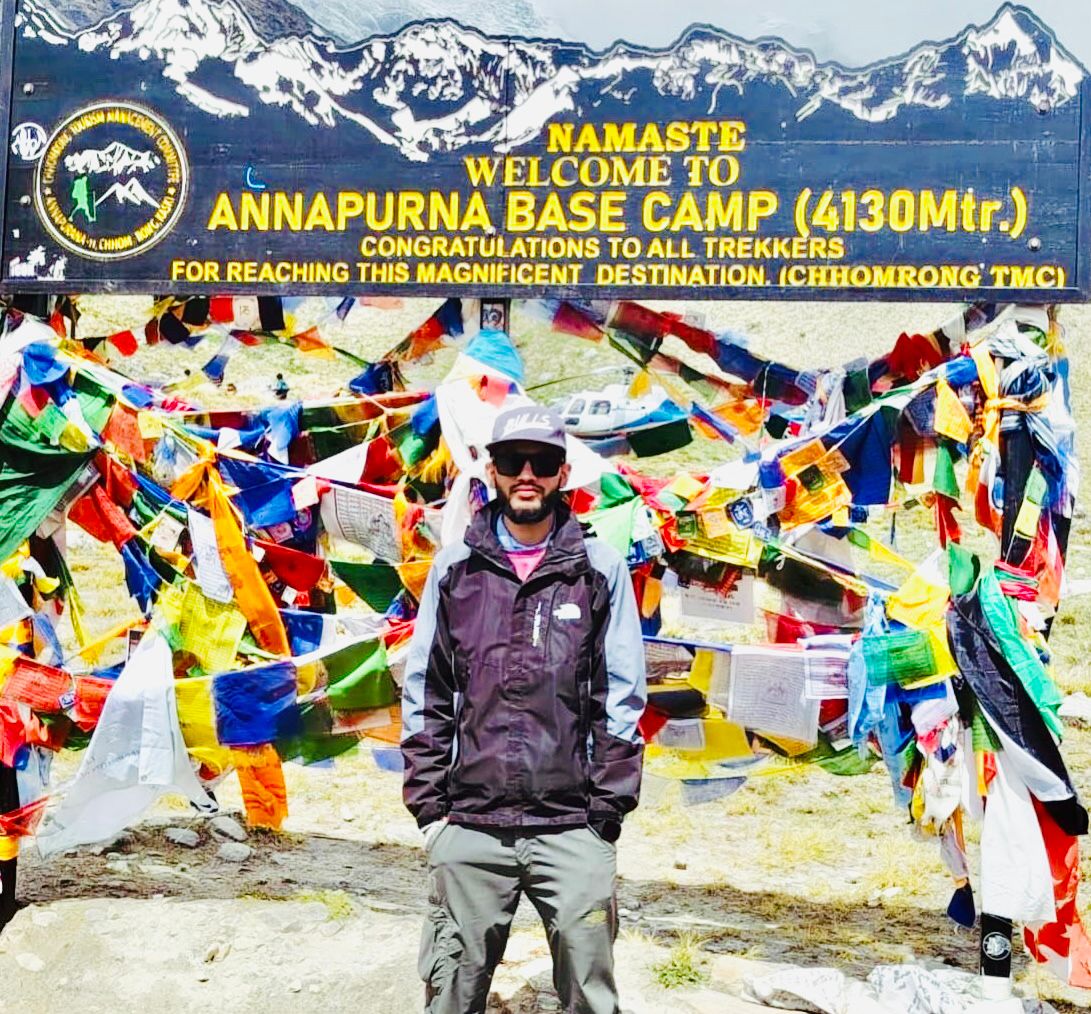
| Annapurna Base Camp | 4,130 m | 7–10 days | Moderate | None |
| Manaslu Circuit | 5,160 m | 14–16 days | Strenuous | Larkya La Pass |
| Kanchenjunga Circuit | 5,143 m | 20–25 days | Very Strenuous | Remote, high passes |
People who should reconsider or consult a doctor first: those with heart or respiratory conditions, severe anemia, recent surgeries, or a history of Acute Mountain Sickness (AMS). Being fit does not guarantee immunity to altitude, professional guidance is not optional on this trek, it is essential.
Altitude & Acclimatization on EBC Trek with Gokyo Lake
The highest sleeping altitude on this trek is approximately 5,000 m at Gorak Shep, while the highest point you reach on foot is Kala Patthar at 5,545 m. The Gokyo Lake Trek in Nepal adds Gokyo Ri (5,357 m) as a secondary high point with sweeping views of Cho Oyu and Everest.
Acclimatization days are built deliberately into the itinerary at Namche Bazaar (3,440 m) and Dingboche (4,410 m). These are not wasted days, they are the days that determine whether your body reaches EBC safely. During these stops, you take short upward hikes and descend to sleep, using the "climb high, sleep low" method proven to reduce AMS risk.
The highest sleeping altitude on this trek is approximately 5,000 m at Gorak Shep, while the highest point you reach on foot is Kala Patthar at 5,545 m. The Gokyo Lake Trek in Nepal adds Gokyo Ri (5,357 m) as a secondary high point with sweeping views of Cho Oyu and Everest.
Acclimatization days are built deliberately into the itinerary at Namche Bazaar (3,440 m) and Dingboche (4,410 m). These are not wasted days, they are the days that determine whether your body reaches EBC safely. During these stops, you take short upward hikes and descend to sleep, using the "climb high, sleep low" method proven to reduce AMS risk.
AMS Warning Signs to Know
- Persistent headache not relieved by paracetamol
- Nausea, vomiting, or loss of appetite
- Dizziness or difficulty walking straight
- Breathlessness at rest
- Confusion, unusual fatigue, or coughing up frothy sputum (HACE/HAPE emergency)
Royal Holiday Adventure guides carry pulse oximeters and supplemental oxygen and are trained in high-altitude first aid. Helicopter evacuation routes are pre-planned from every major campsite along the route.
Everest Base Camp Trek with Gokyo Lake Permits & Regulations
All trekkers on the EBC with Gokyo Lake route are required to hold two permits before entering the restricted zone. Royal Holidays Adventure handles all permit applications on your behalf through licensed channels, no paperwork falls on the trekker.
Required Permits
| Permit | Issuing Authority | Purpose |
| Sagarmatha National Park Entry Permit | Department of National Parks & Wildlife Conservation | Entry into protected Khumbu zone |
| Khumbu Pasang Lhamu Rural Municipality Fee | Local Government Office, Lukla | Local conservation & community fee |
| TIMS Card (if applicable) | Nepal Tourism Board / TAAN | Trekker Information Management |
Nepal law requires all trekkers in Sagarmatha National Park to be accompanied by a licensed guide. This is not just a bureaucratic rule, it directly protects trekkers from getting lost, making dangerous decisions at altitude, and losing access to emergency response networks.
Safety Measures & Risk Management on Everest Base Camp Trek with Gokyo Lake
Trekking to Everest Base Camp with Gokyo Lake is a serious high-altitude endeavor. At Royal Holiday Adventure, safety planning begins before the trek departs, not when something goes wrong on the trail.
What Royal Holiday Adventure Safety Protocols Include
- All lead guides hold Wilderness First Responder or equivalent high-altitude medical training
- Daily health checks: oxygen saturation and heart rate monitored with pulse oximeters
- Pre-identified helicopter evacuation landing zones from Dingboche, Lobuche, Gorak Shep, and Gokyo
- Satellite communication devices carried on every group
- Emergency oxygen and AMS medications (Diamox) available on trail
- Guide-to-trekker ratio maintained for high-altitude sections
- Daily route briefings with weather and trail condition updates
High-altitude treks require licensed, experienced guides, not just because of navigation, but because altitude affects judgment. A trusted guide's ability to recognize when a trekker needs to descend has, on many occasions, been the difference between a safe exit and a medical emergency.
Everest Base Camp Trek with Gokyo Lake vs Other Popular Treks
Choosing the right Himalayan trek depends on your fitness level, available time, and what kind of experience you are seeking. Here is how the EBC Trek with Gokyo Lake compares to other major Nepal circuits:
| Trek | Duration | Max Altitude | Cultural Depth | Remoteness | Best For |
| EBC with Gokyo Lake | 15 days | 5,545 m | Very High (Sherpa) | Moderate | Everest seekers, mountain culture lovers |
| Annapurna Base Camp | 7–10 days | 4,130 m | High (diverse ethnic groups) | Low–Moderate | First-time high-altitude trekkers |
| Manaslu Circuit | 14–16 days | 5,160 m | High (Tibetan influence) | High | Experienced trekkers seeking less crowd |
| Kanchenjunga Circuit | 20–25 days | 5,143 m | Very High (remote villages) | Very High | Expedition-level trekkers |
The EBC Trek with Gokyo Lake is ideal for those who want the Everest experience, the culture, the landscape, and the altitude, combined with the quieter beauty of the Gokyo Valley, all within a structured 15-day window. If your goal is specifically to stand near the foot of the world's tallest mountain while also gazing at pristine glacial lakes from a high ridge, no other trek delivers both.
Is the Everest Base Camp Trek with Gokyo Lake Suitable for Beginners?
It depends on how you define 'beginner.' If you have never trekked before and spent most of your week at a desk, this route as structured, with the Cho La Pass and nights above 5,000 m, is not the right starting point. However, if you are physically active, have done multi-day hiking at moderate altitude, and are willing to train for 3–4 months beforehand, this trek is within reach.
Fitness Preparation Expectations
- Cardio base: Run, cycle, or swim at least 4 days per week for 3 months before the trek
- Elevation training: Include stair climbs or hikes with a loaded pack (10–15 kg)
- Day hike experience: Comfort with 6–8 hour walking days on uneven terrain
- Altitude exposure: If possible, complete a shorter altitude trek (Annapurna Sanctuary, Langtang) in advance
- Medical check: Get a full health check including blood pressure, lung function, and iron levels
Royal Holiday Adventure provides a pre-trek fitness consultation and sets realistic expectations before you commit. We would rather tell you to prepare more than see you turn back at Dingboche.
Why Choose Royal Holiday Adventure for the Everest Base Camp Trek with Gokyo Lake
Nepal law requires a licensed guide on the Sagarmatha National Park route, but beyond the legal requirement, the right guide company is the difference between a trip that merely completes and one that transforms. Royal Holiday Adventure is a Nepal registered, government-licensed trekking company with certified guides who have lived and trekked in the Khumbu for years.
What Sets Royal Holiday Adventure Apart
- Local expertise: Our guides are Khumbu-born Sherpas and certified high-altitude trek leaders, not general-purpose tourism staff
- Safety-first operations: Pulse oximeters, emergency oxygen, satellite phones, and pre-planned evacuation routes on every trip
- Sustainable travel: We follow Leave No Trace principles, support porter welfare standards, and contribute to local teahouse economies
- Personalized pace: We never rush the acclimatization schedule to save a day, your health dictates the pace, not the calendar
- Full permit management: Every permit is handled through legal channels with zero hidden costs or third-party complications
When you trek with Royal Holiday Adventure, you are not booking a package, you are joining a guided experience led by people who love these mountains and take genuine responsibility for bringing you home safely.
Plan Your Everest Base Camp Trek with Gokyo Lake
The Everest Base Camp Trek with Gokyo Lake is one of the most complete Himalayan journeys on earth, Sherpa villages, glacial lakes, ancient monasteries, and a sunrise over Everest from Kala Patthar, all in 15 days. If you are ready to experience something genuinely extraordinary, Royal Holiday Adventure is ready to plan it with you, safely, responsibly, and with the local expertise this mountain demands.
Contact Royal Holiday Adventure today to discuss your fitness level, preferred season, and group size. Our team will help you prepare honestly and guide you every step of the way, from Lukla to the roof of the world and back.
Everest Base Camp Trek with Gokyo Lake FAQs
Find answers to the most common questions about the Everest Base Camp Trek with Gokyo Lake, including permits, itinerary, cost, and difficulty.
1. How hard is the Everest Base Camp Trek with Gokyo Lake compared to the standard EBC trek?
The EBC with Gokyo Lake route is significantly more demanding than the standard EBC trek. The primary added challenge is the Cho La Pass (5,420 m), a glaciated mountain pass that requires crampons or microspikes and involves a steep, icy ascent and descent. You also spend more days above 4,500 m, which increases cumulative altitude exposure. Total trekking distance is roughly 20–25 km longer. For anyone who has done the standard EBC, this extension adds meaningful difficulty. For first-timers, the full route requires more preparation.
2. Do I need prior trekking experience for the Gokyo Lake Trek in Nepal?
Prior multi-day trekking experience is strongly recommended. You do not need technical mountaineering skills, but you should be comfortable walking 6–8 hours per day on uneven trails with a loaded daypack and ideally have experience at moderate altitude (above 3,000 m). Completing a shorter trek like Annapurna Base Camp or Langtang Valley before attempting this route gives you a realistic preview of conditions and helps your body understand how it responds to altitude. Physical fitness alone is not sufficient, altitude experience matters.
3. Is altitude sickness a serious risk on this trek?
Yes, acute mountain sickness (AMS) is a genuine risk above 3,000 m and becomes increasingly serious above 4,000 m. The EBC with Gokyo Lake route spends multiple nights above 4,500 m, which is where the risk of High-Altitude Cerebral Edema (HACE) and High-Altitude Pulmonary Edema (HAPE) is most relevant. These are medical emergencies. Proper acclimatization days, hydration, avoiding alcohol, and having a certified guide who monitors oxygen saturation daily are the primary risk management tools. Diamox (acetazolamide) is commonly used preventatively but should be discussed with a doctor before the trek.
4. What is the best season for the Everest Base Camp Trek with Gokyo Lake?
Autumn (late September to November) is widely considered the best time for this trek. The monsoon has cleared the air, visibility is exceptional, and the weather is stable. Spring (March to May) is the second-best season, temperatures are slightly warmer and the rhododendron forests below Namche are in bloom, adding spectacular colour to the lower trail sections. Both seasons offer reliable mountain views. October and April are the peak months within these windows. Avoid the monsoon (June–August) due to slippery trails and cloud cover that blocks all mountain views.
5. Can I do the Everest Base Camp Trek with Gokyo Lake without a guide?
As of current Nepal government regulations, solo independent trekking in Sagarmatha National Park is officially restricted, a licensed guide is legally required. Beyond the legal requirement, doing this trek without a guide is genuinely dangerous. Route finding on the Cho La Pass in poor weather, recognizing early AMS symptoms in yourself, knowing when descent is non-negotiable, and accessing helicopter evacuation networks all require an experienced guide on the ground. Royal Holiday Adventure provides fully licensed, certified Khumbu-experienced guides for every group.
6. What type of accommodation is available on the trek?
The entire route is serviced by teahouses, family-run mountain lodges that provide bed and meals at each stop. Below Namche Bazaar, many teahouses have attached bathrooms, Wi-Fi, and charging facilities. Above Dingboche, facilities become more basic: shared bathrooms, squat toilets, and limited hot water. Above Lobuche and at Gorak Shep, expect thin walls, shared blankets, and very cold nights. Gokyo teahouses fall in the mid-range of comfort. All teahouses have common dining areas with a central heating stove, the warmest spot on the mountain after sunset.
7. What food is available on the Everest Base Camp Trek with Gokyo Lake?
Food is surprisingly varied at lower elevations. Dal Bhat (lentils and rice) is the most reliable, nutritious, and filling option, many teahouses offer unlimited refills. Breakfast usually includes porridge, eggs, toast, and Tibetan bread. Lunch and dinner offer soups, noodles, pasta, momos, and fried rice. At higher altitudes above 4,500 m, digestion slows and appetite drops, stick to warm, simple foods and avoid heavy meat dishes. Hot drinks are essential at altitude: ginger tea, lemon honey, and hot chocolate are widely available. Stay away from alcohol entirely above Namche.
8. How do I train for the Everest Base Camp Trek with Gokyo Lake?
Training should begin at least 3 months before your trek departure. Focus on cardiovascular endurance through running, cycling, or swimming at moderate to high intensity 4–5 days a week. Add weighted hikes (pack 10–15 kg) on uneven terrain as the trek date approaches. Stair climbing is particularly effective for building the specific muscle groups used on steep ascents and descents. Yoga or stretching routines help with flexibility and recovery. If possible, do a weekend altitude hike at 2,500–3,500 m to gauge your body’s altitude response. Get a medical check covering blood pressure and lung health before departure.
9. What permits do I need and how do I get them?
Two permits are required: the Sagarmatha National Park Entry Permit (issued by the Department of National Parks and Wildlife Conservation) and the Khumbu Pasang Lhamu Rural Municipality fee collected at Lukla. A TIMS card may also be required depending on your nationality and the year of trekking. Both permits can be arranged in Kathmandu at Thamel or at the park gate in Monjo. Royal Holiday Adventure manages all permit applications as part of the trek organization process, trekkers are not required to handle any paperwork independently. Always carry original copies of all permits on trail.
10. Is travel insurance required for the Everest Base Camp Trek with Gokyo Lake?
Travel insurance is not optional, it is essential, and Royal Holiday Adventure requires all clients to hold valid coverage before the trek begins. Your policy must specifically cover high-altitude trekking up to at least 5,600 m and helicopter evacuation from altitude. Standard travel insurance policies frequently exclude high-altitude activities, so read the fine print carefully. Medical evacuation from Gorak Shep by helicopter to Kathmandu is expensive without coverage. Recommended insurers for Himalayan trekking include World Nomads and similar specialists in adventure travel. Carry your insurance documents and emergency contact numbers on the trail.